Becoming Rich in Japan Is the Easiest in the World — The Power of Chinese Influence in Japan and Beyond in Shin・Kakyo


NVIDIA, Zoom, TSMC The New Overseas Chinese Increasing Their Global Presence
What image comes to mind when you think of Chinese people? Tourists visiting Japan? Shopping sprees? However, these are just one aspect of Chinese people as reported in the news. Chinese individuals have many other faces, one of which is represented by the so-called Overseas Chinese (Huaqiao).
Huaqiao is a general term for Chinese immigrants, estimated at around 60 million worldwide. Many have conducted business and achieved success across the globe long before China experienced rapid economic growth. In Japan as well, many Chinese people have established successful businesses in local communities, including in Chinatowns, making Huaqiao feel familiar to many Japanese. Today, third- and fourth-generation Huaqiao are not uncommon, functioning as a part of the Japanese economy.

In recent years, the image of the Overseas Chinese has been changing. Entrepreneur Toru Arai, co-author with Kenho Zheng of Shin Huaqiao no Oshie (Teachings of the New Overseas Chinese Unknown to Japanese) (Forest Publishing), describes this new reality. While studying at university, Arai studied abroad in Beijing and, through interactions with children of Overseas Chinese from other countries, learned their ways of thinking.
After returning to Japan, he started a business as a student, then went back to China after graduation to launch and successfully run a company. Upon returning to Japan, he founded multiple companies and continues to play an active role on the frontlines of business. He currently serves as CEO for several companies, including AZ Japan AI Robot Corporation and RAVIPA Corporation, and credits the teachings of the Overseas Chinese as his driving force. Here, Arai discusses the “New Overseas Chinese,” who hold the key to the future economy:
“Previously, people may have thought of Overseas Chinese as operating in local markets. But now, one of the defining features of the ‘New Overseas Chinese’ is that they conduct business globally.
For example, the founder of NVIDIA in the AI industry is a Taiwanese American, Zoom Communications, which helped establish remote meetings, was founded by an Overseas Chinese from Shandong Province, China, and the semiconductor company TSMC was founded by a Taiwanese American. Traditionally, business models grew from local roots, but today, thanks to the internet, they can go global almost instantly.”
The Business Style of the New Overseas Chinese That Generates Profit Without Taking Risks
Historically, the business of Overseas Chinese was centered on local markets, but the development of technology has changed how business operates. The “New Overseas Chinese” are those who have keenly sensed these changes and are thriving as a result. A common trait in their business approach is how they launch ventures.
“When starting a business, they don’t spend money on fixed costs like salaries or rent. Overseas Chinese know that starting with appearances leads to failure. They don’t initially need a large, fancy office or highly skilled employees.
While one might think Chinese people value face, Overseas Chinese are pragmatic. Regarding personnel costs, instead of poaching top salespeople, they might have them help out on their days off and provide incentives based on results. This is one of their methods.
This approach has the advantage that the company only pays salaries after earning revenue. Moreover, someone who excels in another industry may not necessarily succeed in your business, so this method allows them to assess aptitude first. Once the aptitude is confirmed, they can then proceed to officially recruit the person.”
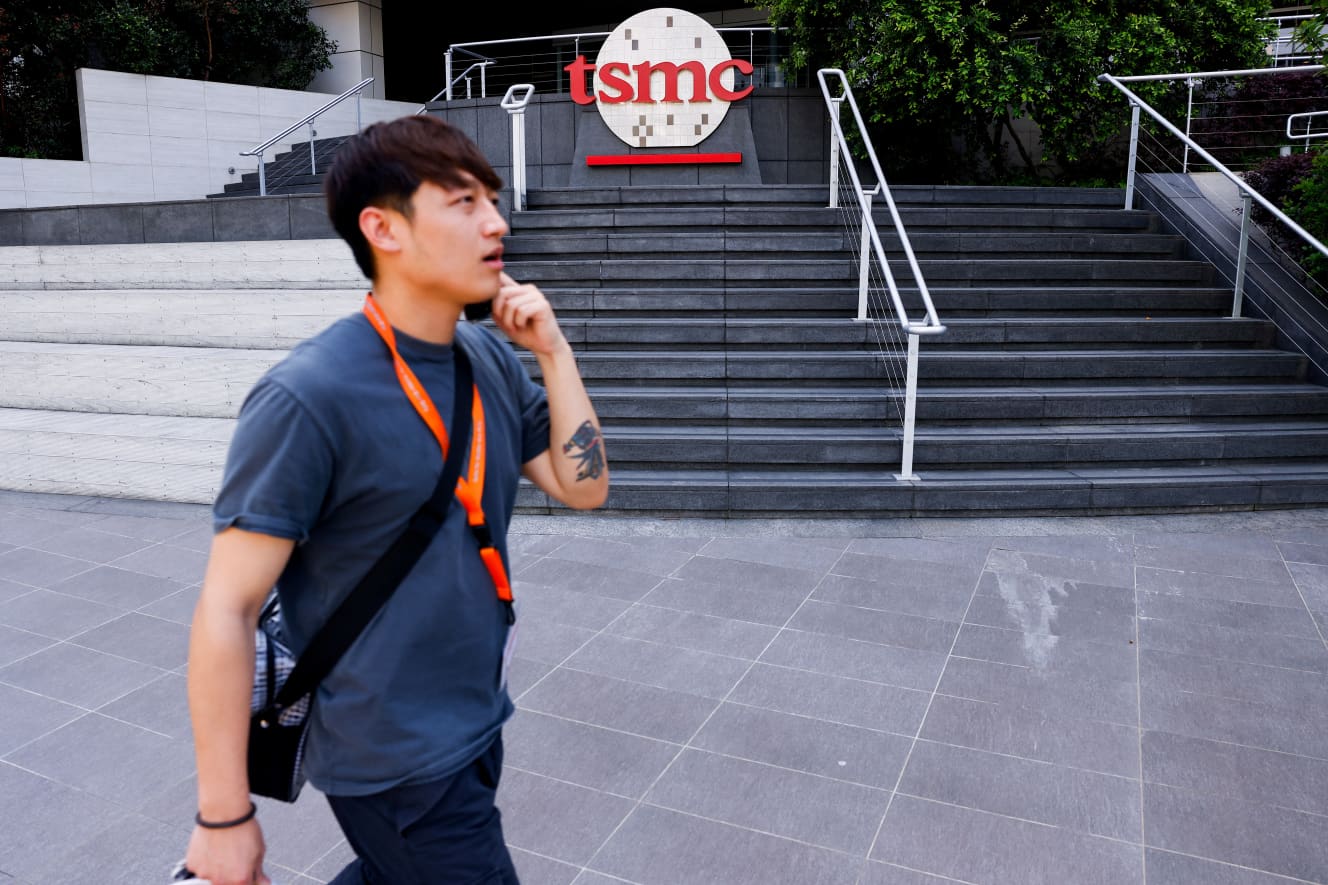
The “New Overseas Chinese” expand their business gradually by keeping initial costs low and ensuring profits, even if modest. They rarely raise large amounts of capital suddenly or take huge risks to launch massive businesses, says Arai.
“They dislike monthly deficits, so they thoroughly avoid risks. Surprisingly, this is the opposite of the typical American risk-taker mindset. Once they achieve monthly profitability, it becomes easier to obtain financing, allowing them to further expand their business from there.”
The “New Overseas Chinese” don’t flaunt luxury on social media.
These “New Overseas Chinese” are steadily achieving business success in foreign lands and expanding their influence. Of course, such individuals are also active in Japan, but exactly who they are and what businesses they’ve succeeded in is not widely known—another hallmark of the New Overseas Chinese.
“They don’t brag about their success. Posting the luxury hotels they stay at or the fancy cars they drive on social media brings no real benefit.
Conversely, it also means you won’t do business with people who act that way. They expand their networks through acquaintances, introducing and being introduced to others. They don’t trust the type who attends networking events, hands out business cards, and says, ‘I’ll do anything, please give me work.’ Instead, they tend to trust people who first point out their limitations, saying something like, ‘We’re a small team and not good at this, but in this area, we can be of help.’
Their daily lives and business practices are very practical.”
Arai has applied this style and network of the Overseas Chinese to succeed in entrepreneurship in both Japan and China. The greatest asset in terms of networking was the group of Overseas Chinese classmates he met while studying in Beijing.
“Everyone at my university in Beijing was exceptionally talented. Their parents were also generally smart and wealthy. This network helps in business because someone might say, ‘So-and-so’s father is in that line of work; I can connect you.’
When I launched businesses in Beijing, I acted as a mediator and interpreter between Japanese companies and local businesses in various fields such as construction, beauty, and hotel development. It goes without saying that this network was invaluable.”
Using the networks built during his study abroad, Arai connected Japanese companies that wanted to do business with local Chinese firms and expanded his business. Even before that, while still a university student back in Japan, he had started a business, inspired by words from an Overseas Chinese friend.
“My friend in China told me, ‘In Japan, only about 10% of people start businesses, and 90% are salaried employees. Because there are so few entrepreneurs, competition is low. That makes it the easiest country in the world to become rich. Starting a business in China is ten times harder.’
He also said, ‘Failure in business happens when you go out to sea without a map. If you have a map (method), you will reach your destination 100%. Japan is an easy and very fair environment, so success is guaranteed.’”
Armed with this advice and map (method), Arai expanded his business. In 2024, RAVIPA Inc., which sells hair care products, was listed on the Tokyo Stock Exchange’s Pro Market. This listing led to the publication of Teachings of the New Overseas Chinese That Only Japanese Don’t Know.
“I thought that even if I said, ‘I have money,’ it would be hard to prove. If the company goes public, people will trust us, and they’ll read the teachings of the New Overseas Chinese.”
Arai also holds a strong vision for Japan’s younger generation:
“Among people aged 20–40, the leading cause of death is suicide, higher than traffic accidents. This stems from anxiety, much of which is economic. If this economic anxiety is removed, Japan will improve. That’s why financial knowledge is crucial.
Singapore has the highest GDP in Asia, yet it doesn’t have a representative industry like the automobile industry. Shops close early at night, and working hours are short. Yet it generates wealth because of financial knowledge and its strong position as a hub. Money gathers where there is a financial hub. Creating such an environment might be the only way to save Japan.
Overseas Chinese learn about finance from a young age. In Japan, people should also acquire financial knowledge and start businesses. Today, you can start a business with just a computer or smartphone. There are so many opportunities. I hope the younger generation will take inspiration from the teachings of the New Overseas Chinese and boldly take on new challenges.”
The New Overseas Chinese take root in foreign lands and eventually expand into global business. Thanks to their teachings and methods, young people and businesspeople can be freed from economic anxiety. And these individuals may well shape the future of Japan’s economy.
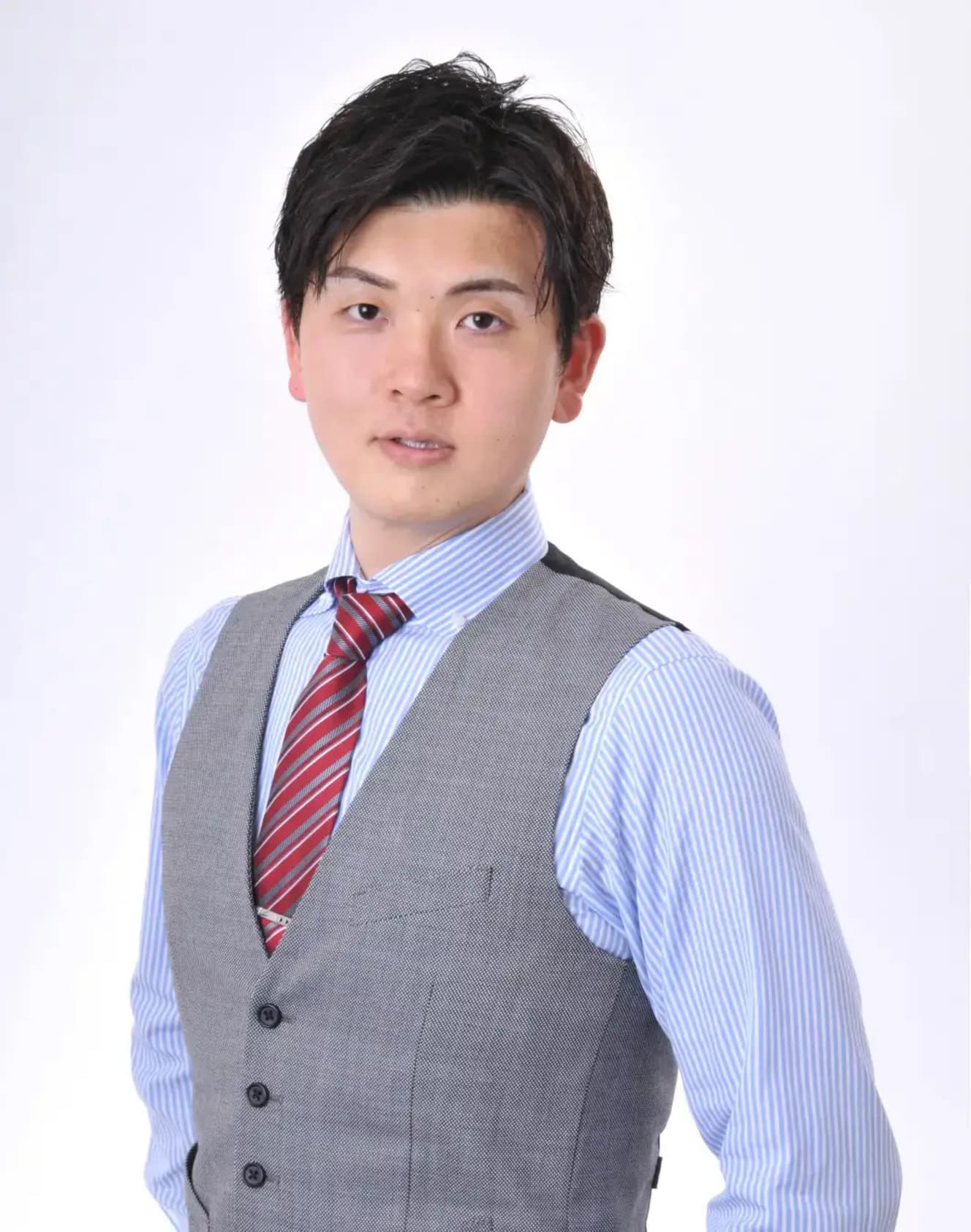
▼ Toru Arai — CEO of AZ Japan AI Robot Co., Ltd., which offers subscription services for AI robots; CEO of RAVIPA Co., Ltd., which sells hair care products; and director of Seishokai Medical Corporation, which runs Shinjuku Clinic and other facilities. His publications include Amazing Sales Strategies for Subscription D2C (Forest Publishing), The New Way to Earn on SNS 99% Don’t Know (Forest Publishing), and AI × Robot Revolution (Canaria Communications).

Interview and text: Diceke Takahashi PHOTO: Afro