Think It’s Healthy? These Common Drinks May Cause Fatty Liver


The popular lactic acid bacteria drink for improving sleep. Drinking it daily may cause fatty liver
“Habits that you continue for your health may actually be weakening your liver.”
This is what liver specialist Dr. Tsuyoshi Kurihara says. A renowned doctor who has helped revive the livers of more than 30,000 people, he points out first and foremost that it’s not alcohol, but sweet drinks promoted as healthy that require caution.
“For example, there are lactic acid bacteria drinks said to improve sleep when consumed before bed. One patient said, ‘I sleep better if I drink this,’ and had been drinking it daily. However, their liver function numbers were poor, and, as expected, they developed fatty liver.”
Fatty liver is a condition in which neutral fat accumulates in liver cells. The main cause is fluctuations in blood sugar caused by excessive intake of carbohydrates.

When you eat, the sugar concentration in your blood—i.e., your blood sugar level—rises. To bring it back down, the pancreas secretes insulin, which normalizes blood sugar. However, if you consume too many carbohydrate-rich foods, sweet drinks, or sweets—or eat too quickly—your blood sugar can rise and fall sharply, causing a blood sugar spike.
“Insulin plays a crucial role in lowering blood sugar, but it also has another function: converting excess glucose into neutral fat (triglycerides). So, if you consume too many carbohydrates (glucose) and repeatedly experience blood sugar spikes with every meal, it leads to the accumulation of visceral fat, including in the liver,” explains Dr. Tsuyoshi Kurihara.
Dr. Kurihara points out that a key culprit in sweet drinks like lactic acid beverages is high-fructose corn syrup.
“High-fructose corn syrup is a liquid syrup artificially made from corn, potatoes, and other sources. It contains both fructose and glucose. Glucose raises blood sugar, so consuming too much is naturally harmful. The bigger problem is fructose, which is also found in fruits and honey. Fructose does not raise blood sugar but is absorbed directly by the liver from the small intestine. Among sugars, it places the greatest burden on the liver.”
High-fructose corn syrup is often found in commercially sold vegetable juices and sports drinks. Drinks you thought were healthy or that you consumed to prevent dehydration may actually be straining your liver.
“Even products with a healthy image—like non-oil salad dressings or convenient sauces like mentsuyu—may contain high-fructose corn syrup. If you consume them daily in large amounts, it’s a direct path to fatty liver,” Dr. Kurihara warns.
Additionally, overconsuming fruit can rapidly increase liver fat.
“One patient’s ALT (GPT)—an enzyme that reflects liver function—more than doubled in just two weeks. When I asked, I learned they had received a large quantity of melon as a gift and ate it daily to consume it quickly. Since fruit sugar is fructose, eating a large amount at once puts extreme stress on the liver,” he explains.
One in three Japanese people has fatty liver. If left untreated, it can lead to diabetes in about 10 years
While people often associate liver damage with excessive alcohol consumption, the main cause of fatty liver is diet. Therefore, even thin individuals or younger people can develop fatty liver if their eating habits are poor.
“Currently, an estimated one in three Japanese people—about 40 million—have fatty liver. For men, the peak incidence occurs in their 30s and 40s. If left untreated, fatty liver can develop into non-alcoholic steatohepatitis (NASH), causing inflammation in the liver. Continuing poor habits over several years can lead to fibrosis, hardening of the liver, cirrhosis, and ultimately liver cancer.”

The danger is not limited to liver disease alone. Fatty liver has increasingly been recognized as a gateway to all lifestyle-related illnesses.
“If fatty liver is left untreated, insulin—the hormone that lowers blood sugar—becomes less effective, causing insulin resistance. Persistent high blood sugar makes it difficult to control glucose levels, and cases are increasing where people develop diabetes about ten years after the onset of fatty liver.
Beyond diabetes, excess sugar in the blood damages blood vessels, leading to arteriosclerosis, heart attacks, strokes, and even dementia. Fat stored in the liver and other visceral organs also releases substances that raise blood pressure, causing hypertension. In short, many lifestyle-related diseases can start with fatty liver.”
The liver plays a crucial role in metabolism, detoxification, and keeping the body functioning properly. It is also called a silent organ because it does not complain until damage becomes significant. Symptoms such as pain or discomfort often do not appear, even as liver function declines.
That is why it is important to notice problems early through health checkups. One key liver marker is ALT (GPT), which rises when liver cells are damaged.
“An ALT (GPT) level of 31 or higher indicates fatty liver. Levels between 20 and 30 suggest hidden fatty liver. In both cases, lifestyle improvements are necessary. Ideally, you should keep it below 20.”
If you eat ramen, adding vinegar can help reduce the burden on your liver
Dr. Kurihara says that the key to maintaining a healthy, fat-free liver is a diet that blocks blood sugar spikes.
“Stop eating too quickly, which causes blood sugar spikes, and try chewing well and eating more slowly than usual. Doing just this will make your blood sugar rise more gradually. Excessive carbohydrate intake burdens the liver, but it’s not necessary to cut out carbs completely. Eat three proper meals a day, and reduce rice, bread, and noodles by about 10% compared to usual. In return, increase your intake of meat, fish, eggs, vegetables, and mushrooms.”
At convenience stores and supermarkets, it’s also important to develop the habit of checking the nutrition label for carbohydrates before buying. For example, a 200cc vegetable juice containing more than 10g of carbohydrates can cause a rapid spike in blood sugar. When purchasing, aim for 9g or less.
When eating ramen—a go-to lunch for many businessmen—Dr. Kurihara has a specific way of consuming it.
“If possible, I order a smaller portion of noodles, cooked firm. While eating, I put some vinegar into the soup with my spoon and take two sips, then start with the toppings like menma (bamboo shoots), chashu (braised pork), and eggs. After eating the toppings slowly, if possible, I wait at least two minutes before eating the noodles. This helps keep blood sugar from spiking and reduces stress on the liver.”
Fatty liver also tends to respond relatively quickly to exercise. An effective routine is 10 minutes of walking combined with light strength training.
“Walking after meals helps the body burn sugar for energy, preventing sharp spikes in blood sugar. Ideally, do it after eating, but any time is fine if you’re busy. Slow squats—lowering and raising your hips over five seconds—are also recommended. Strengthening large muscles in the thighs and glutes helps convert sugar into energy rather than storing it as fat.”
Maintaining habits that prevent fatty liver is an important way to reduce the risk of future diseases. For working adults who want to stay healthy, continue working, and enjoy life, proper liver care is essential.
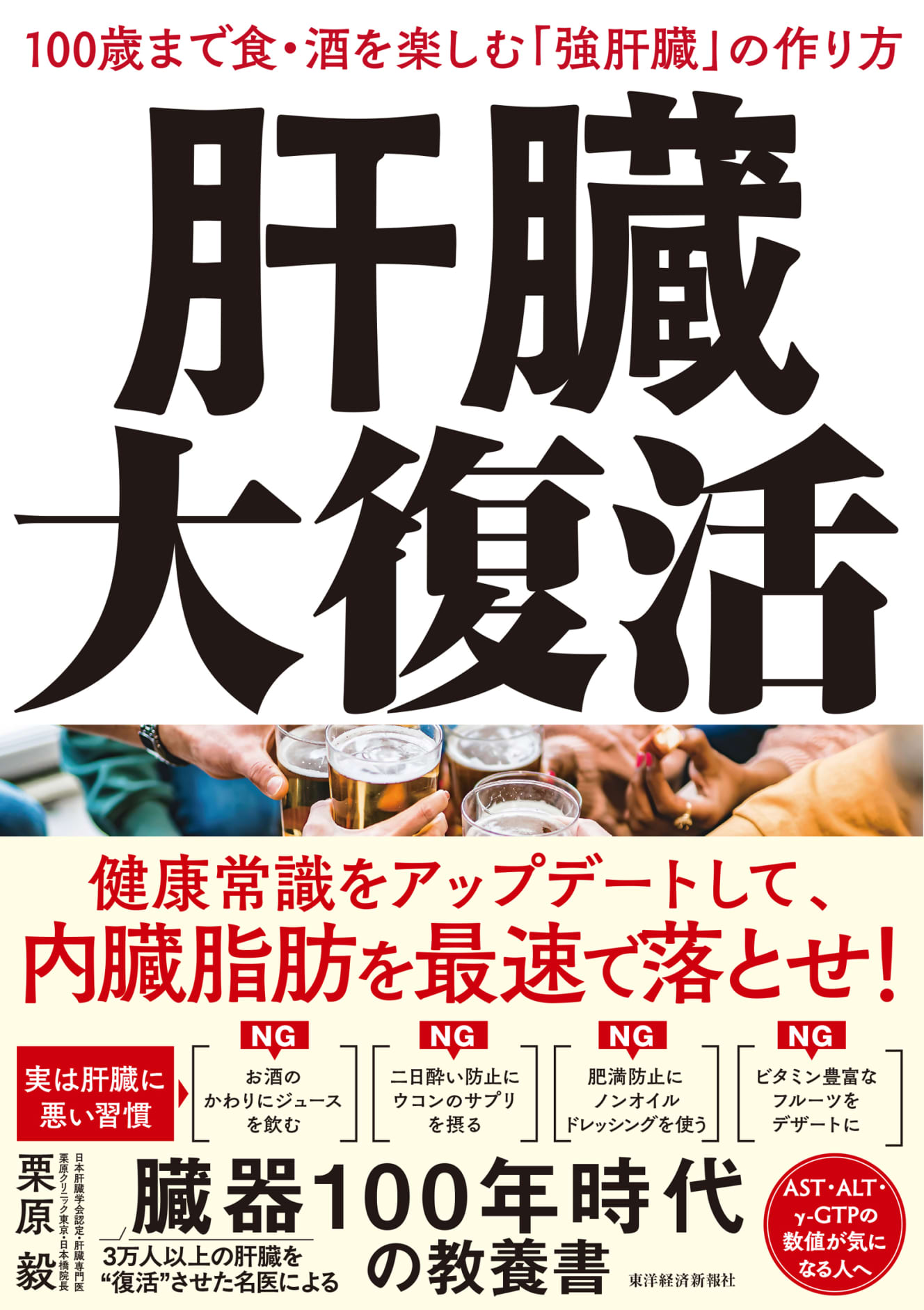
▼ Dr. Takeshi Kurihara – Director of Kurihara Clinic Tokyo, Nihonbashi. MD, PhD. Specialist in hepatology (Japanese Society of Hepatology). Former professor at Tokyo Women’s Medical University and special-appointed professor at Keio University Graduate School. In 2008, he opened Kurihara Clinic Tokyo, Nihonbashi, focusing on the prevention and treatment of lifestyle-related diseases such as metabolic syndrome and diabetes. He is also one of the proponents of smooth blood flow. Author of numerous books, including The Definitive Guide! Techniques of Famous Doctors to Reduce Visceral Fat (TJ MOOK).
Interview and text by: Yoko Kemmochi
Born in Yamagata Prefecture in 1983, Yoko Tunemochi worked for 10 years in the editorial department of a health information magazine, editing monthly magazines and web media before becoming a freelance writer. Currently, she interviews, plans, and writes about doctors and specialists, focusing on healthcare and medical fields.