Men Beware! Marina Watanabe Reveals Why She Loses Her Cool at Home


Even former super idols
find themselves entering menopause before they know it――
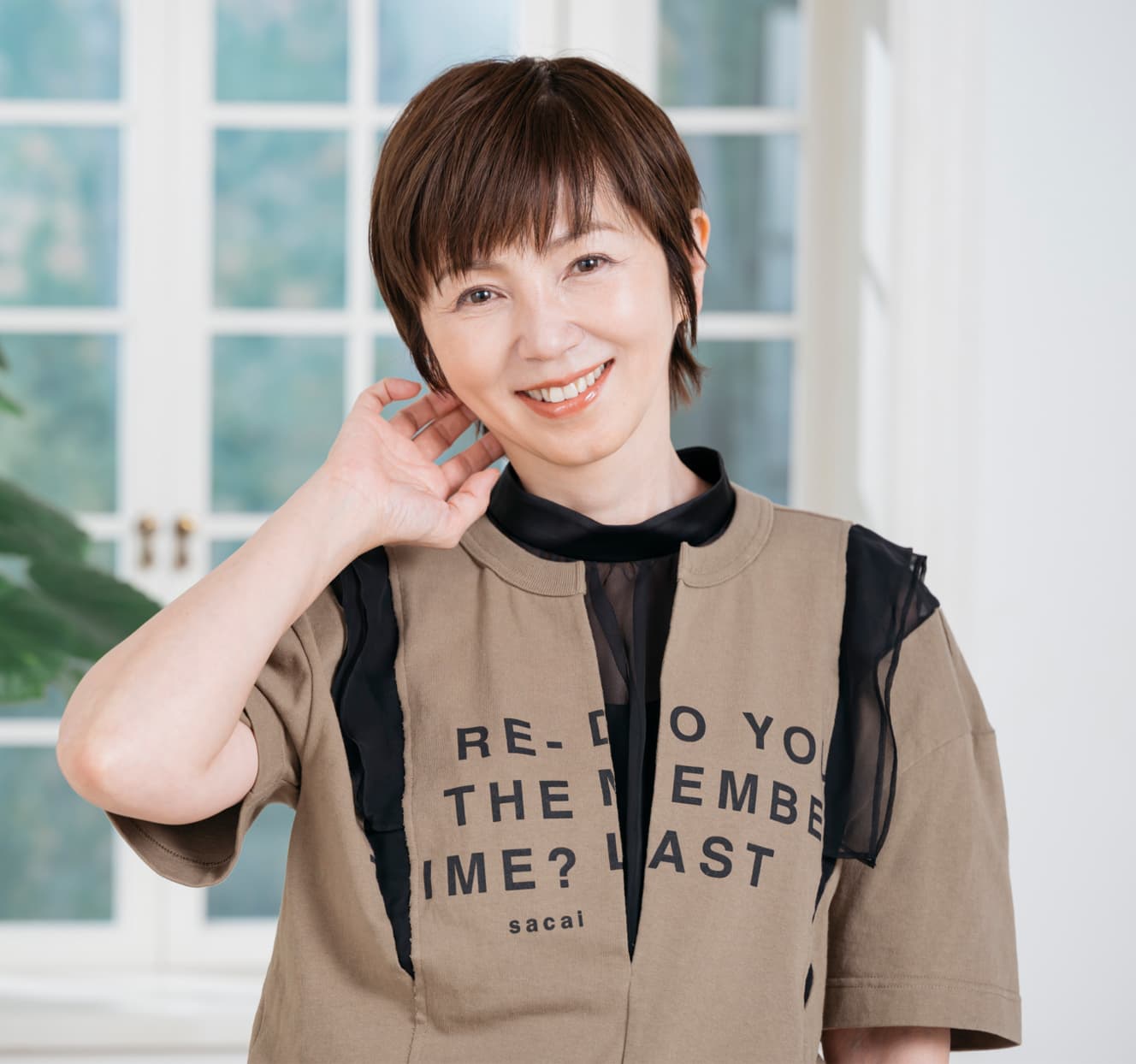
“Thank you for having me. Please feel free to ask me anything,”
says the woman as she enters the interview room, giving a cute, polite nod. She looks much younger than her actual age. This is Marina Watanabe (54), a TV personality and mother of two.
“Well, you definitely feel your age. My body has become drier, and I notice less saliva, so my mouth feels dry and the sound of my lips when I speak bothers me. When I wake up in the morning, my ankles can be stiff. One day, I painfully made my way to the living room along the wall, and my mother—who’s over 80—laughed and said, ‘You’re worse off than me!’”
Women entering menopause face hormonal imbalances, aging, childcare and household duties, and family troubles. Watanabe drew on her own experiences to compile these middle-age challenges into her book Fukigen Bakari na Watashitachi (Kodansha). She openly discusses the circumstances leading to its publication and shares candid anecdotes about her daily irritations.
“Here it comes! Menopause has arrived!”
“About six years ago, I went to a live concert by singer Maki Nomiya with my friend, model Takami Matsumoto. After the concert, we had a meal together at a Chinese restaurant in Akasaka, Tokyo, drinking Shaoxing wine.
We laughed and had a great time talking about things like breaking a bone at a bowling tournament or being told during a gynecological check-up that our female hormones were depleted. Maki is ten years older than me, and Takami is five years older, and we all said, ‘This must be menopause!’
It was with the thought of sharing the issues women face as they age in a bright, informative way, like they did, that I launched the project Otona no Joshi-kai (Adult Women’s Club). The publication of my book came from the same motivation.”
When she first entered her 50s, Watanabe hadn’t paid much attention to menopause. But as part of the Otona no Joshi-kai project, she had her hormone levels measured—and was shocked.
“There was almost nothing left. It was like a completely dry desert! And I hadn’t even reached menopause yet, so I felt pretty disheartened. I also started feeling uncomfortable for no particular reason quite often.
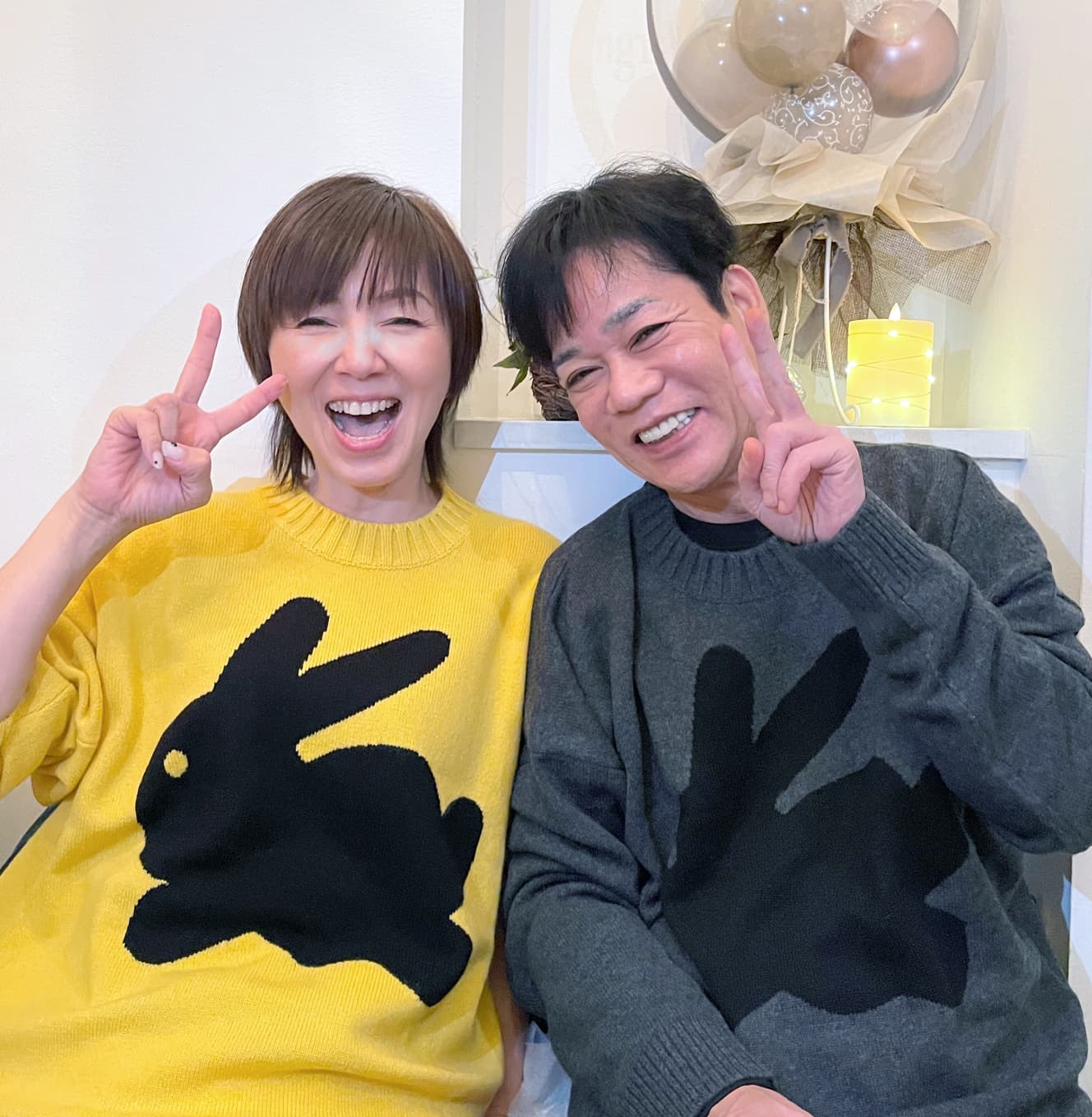
Normally, it wouldn’t bother me, but even just seeing my husband (talent Jun Nagura) lounging on the sofa could irritate me and put me in a bad mood. I thought to myself, ‘Here it comes! Menopause has arrived!’—and strangely, it made sense.
Menopause isn’t just a women’s issue. I want men around my age who have partners to understand it, too, so that families and marital relationships can remain harmonious.”
The Great Battle Between Puberty and Menopause
The moodiness that comes with age also begins to show toward children. Watanabe found herself in a mother-daughter battle with her daughter, who was in the upper grades of elementary school.
“It was during the time when online classes became the main format due to the COVID-19 pandemic. My daughter was probably stressed from the unfamiliar lifestyle. Even as in-person classes gradually resumed, she didn’t want to go to school much. I was probably feeling dry-hearted myself, worried about my daughter staying at home. I ended up speaking in a commanding tone like, ‘Do your homework,’ or ‘Complete this workbook.’
From my daughter’s perspective, it was probably like being told, ‘You’re not doing it anyway.’ She fiercely retaliated, saying, ‘Mom, you don’t trust me!’ At that point, it became a full-blown battle between puberty and menopause. Overwhelmed by her teenage energy, I eventually gave in and said, ‘I’m sorry. I said too much,’ but she shot back, ‘You’re just trying to calm things down! You’re not truly sorry.’ After the fight finally ended, I even cried and had my husband listen to me.”
Her moodiness also extended to her partner, Nagura.
“I’m going shopping,” Watanabe would say.
Nagura would ask, “Shall I come too?”
Watanabe’s answer was always the same: “No.”
When Watanabe returned carrying heavy bags, Nagura would show concern: “Shall I carry them?”
Watanabe’s response was again, “No.”
“I fully understand my husband’s kindness. But if he truly feels that way, I wish he would act on it—go shopping together or carry the bags—without asking for instructions each time. I know it’s a bit stubborn of me. Recently, I’ve been saying ‘No’ in a strong, commanding voice, so my husband, understanding my intention, has started carrying the bags without saying anything.
When we first got married, we often fought. Two people who had lived alone were now living together, so perhaps it was natural. I tend to go silent when I argue. My husband pointed out, ‘When you go silent, I don’t know what you’re thinking,’ and suggested, ‘Even if we fight, we should talk until we both understand each other and resolve it the same day. I can’t stand not speaking for three or four days.’ That made me realize there are other ways to approach it.”
Frustration also bubbles up with housework—
“I’ve almost always taken on preparing and cleaning up meals simply because I’m ‘Mom.’ But thinking about the daily menu is exhausting. I get worn out wondering why I have to plan dinner while eating breakfast.
At that point, my thinking turns negative! No matter what dish I serve, my husband always says, ‘This is delicious,’ but I can’t help suspecting he’s just being polite to spare my feelings.
I don’t dislike doing laundry. My favorite part is folding the washed clothes. When I neatly stack each piece and create a perfect mountain of laundry, I feel proud, thinking, ‘Yes! I did it well.’
But the kids don’t know about my small joy. When they take clothes, they want to wear and ruin my perfectly folded mountain, I feel utterly hopeless. Recently, I’ve even put up a sign on the laundry pile saying, ‘Do not mess with the folded clothes!’”
Stopped thinking, “Why is it always me?”
Having experienced various troubles at home, Watanabe says she has recently overcome her moodiness and become more positive.
“I stopped thinking, ‘Why is it always me?’ For example, with meals, instead of worrying about the menu on my own, I ask my family, ‘What do you want to eat tonight?’ Then my husband and children make an effort to think about it too.
Sharing responsibilities greatly reduces stress. When things are tough, simply stating, ‘I’m in a bad mood’ can make you feel lighter.
Men should also understand women’s menopause. Even if your partner is irritable, you can respond with a generous mindset, thinking, ‘Ah, this is a delicate state unique to her age.’”
The candid confession of a former super idol. Men who wince at this should seriously listen to her words.
(Marina Watanabe / Born November 1970, Tokyo. Debuted in March 1986 as a member of the idol group Onyanko Club. Since then, she has been active as a singer, actress, and TV personality. Latest updates can be found on X (@marina_w1970) and Instagram (@funnyfacefunny).)
Marina Watanabe, We Who Are Always Grumpy (Kodansha), now on sale!
“I stopped thinking, ‘Why is it always me?’”



From the August 8-15, 2025, issue of “FRIDAY”
PHOTO: Rena Shimada