Eat Smart at the Kansai Expo! Cheap & Tasty Meals Under 1,000 Yen Without the Wait


[Hidden Spots & Latest Info] Go shopping while waiting in line for the pavilion!
The Osaka-Kansai Expo is now entering its final stages, drawing even larger crowds. In the heat, lining up for the pavilions takes stamina, but when you want to eat, the restaurants are completely packed. That’s why we asked gourmet writer Shigeru Nekota, who has covered the Osaka-Kansai Expo more than 10 times, about quick and easy eats under 1,000 yen that you can enjoy without waiting too long.
“While waiting in line for the pavilions, you can split up, run to grab some food, and sneakily enjoy local specialties from Japan and around the world!” (Shigeru Nekota)

There are also some trap foods, so don’t rush!
Why is it that when people come to the Expo site, they somehow lose their ability to make calm decisions? Many of us have had the experience of hastily buying something that caught our eye, only to regret it later. Just the other day, I bought a muffin for 800 yen at a stand in front of a pavilion—only to realize it was the same product sold at the supermarket near my home!
But after visiting multiple times, you start to recognize the differences. At foreign pavilions or booths, you can tell whether they are proudly showcasing their nation’s food culture at the Expo. At Japanese shops, you notice whether they are putting effort into presenting Japanese cuisine in a way that’s worthy of a world stage. It might sound a bit exaggerated but being able to sense that makes a big difference.
So then—what should you actually buy!? For those eager to get to the point, here’s the answer: before lining up for the pavilions at the Expo, the first thing you should eat is.
It’s the Kyoto Light Pickles! (from Okoshiyasu Kyoto no Koji)

You might be tempted to say, “It’s just cucumber!?”—but that’s not the point. With the hot days still continuing, staying hydrated and replenishing salt is absolutely essential.
This is sold at Okoshiyasu Kyoto no Koji on the first floor of the Ringside Marketplace West, a shop run by the Kyoto Products Exhibition Association that features Kyoto foods and traditional crafts. According to deputy manager Yoshio Ōi, “Once it gets hot, this sells like crazy. And since it’s made by Nishiri, the taste is guaranteed.”
Indeed, it’s a dish that appeals to our most primal cravings—something no fried food or carb-heavy dish can ever beat.

This shop is truly a hidden gem. At the entrance, you’ll find boxed meals prepared by Kyoto’s traditional restaurants and Japanese eateries, and inside the Expo grounds, their prices are overwhelmingly reasonable—about the same as what you’d pay at a supermarket. For example, the dashimaki sandwich from Narumiya is perfect for eating on the go, but it’s so popular that it usually sells out by around noon.
 Narumiya’s Dashimaki Sandwich has gone viral and is almost guaranteed to sell out.
If you have the time and a place to sit down and eat, the Grilled Salmon Saikyo-yaki and Dashimaki Bento (1,674 yen) is a great choice. It’s made by Kyo Tsukudani Nomura, a long-established shop from Nishiki Market whose side dishes are beloved even by the locals.
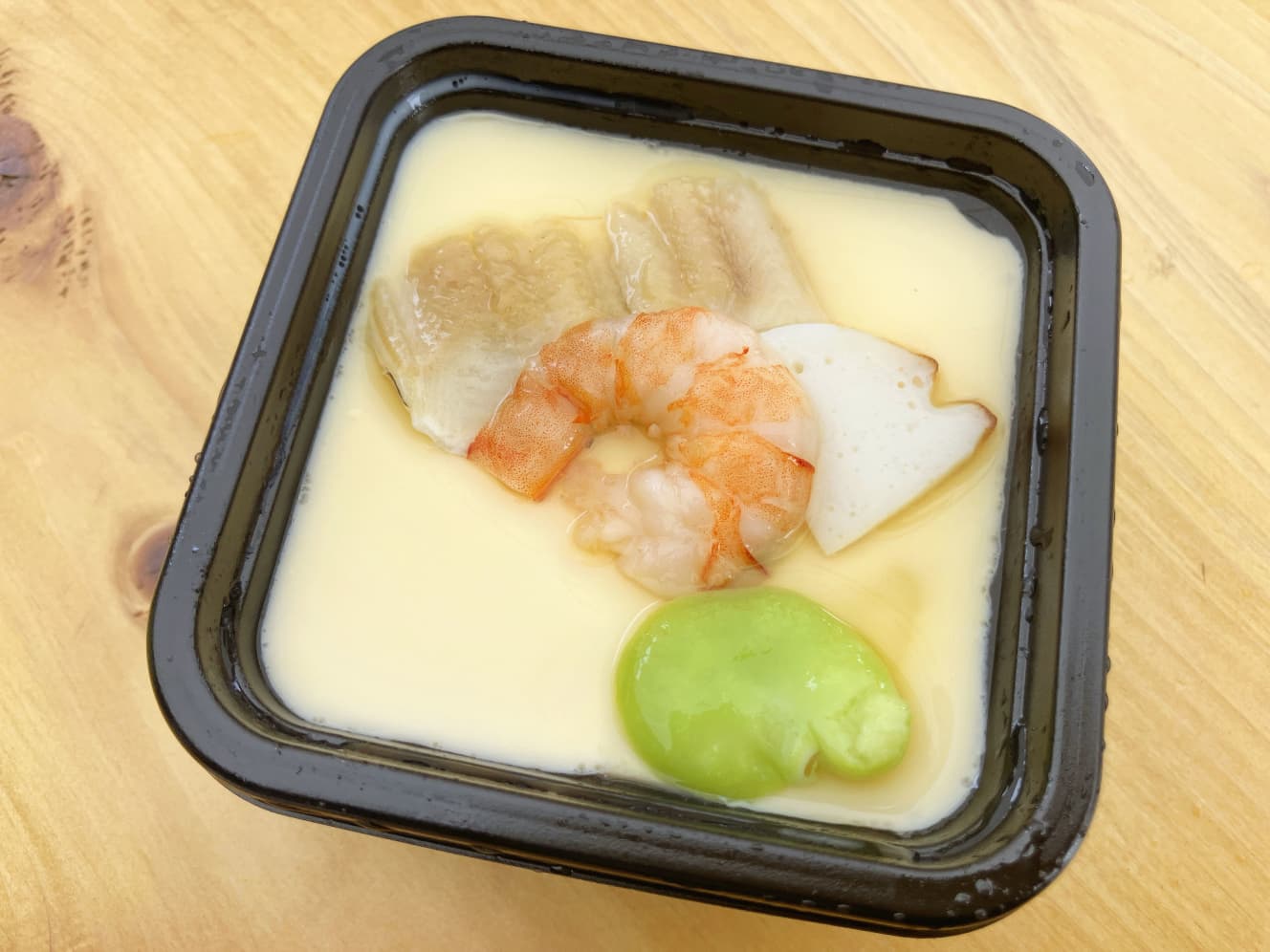 Kyoryori Yamano’s Chilled Chawanmushi. Shockingly cheap at just 380 yen—I couldn’t resist buying one and ended up eating it standing.
Osaka’s foodie spirit on full display 【ORA Dining Pavilion UTAGE】
 LAKANTO by Saraya, well-known for its plant-derived sweetener Lakanto.
While we are on the topic of Japanese food, let us also introduce you to this. The “ORA Food Service Pavilion Banquet – UTAGE” is operated by the Osaka Food Service Industry Association, the pride of Osaka, a city of gourmets. The first floor of this building also houses take-out gourmet stores, where Osaka restaurants and companies offer special menus.

LAKANTO’s Sukiyaki-Flavored Frankfurter (600 yen) is quite an impressive creation! The versatile sukiyaki sauce made with Lakanto is kneaded into it, and with each bite the juicy meat bursts out—this was a seriously good frankfurter.
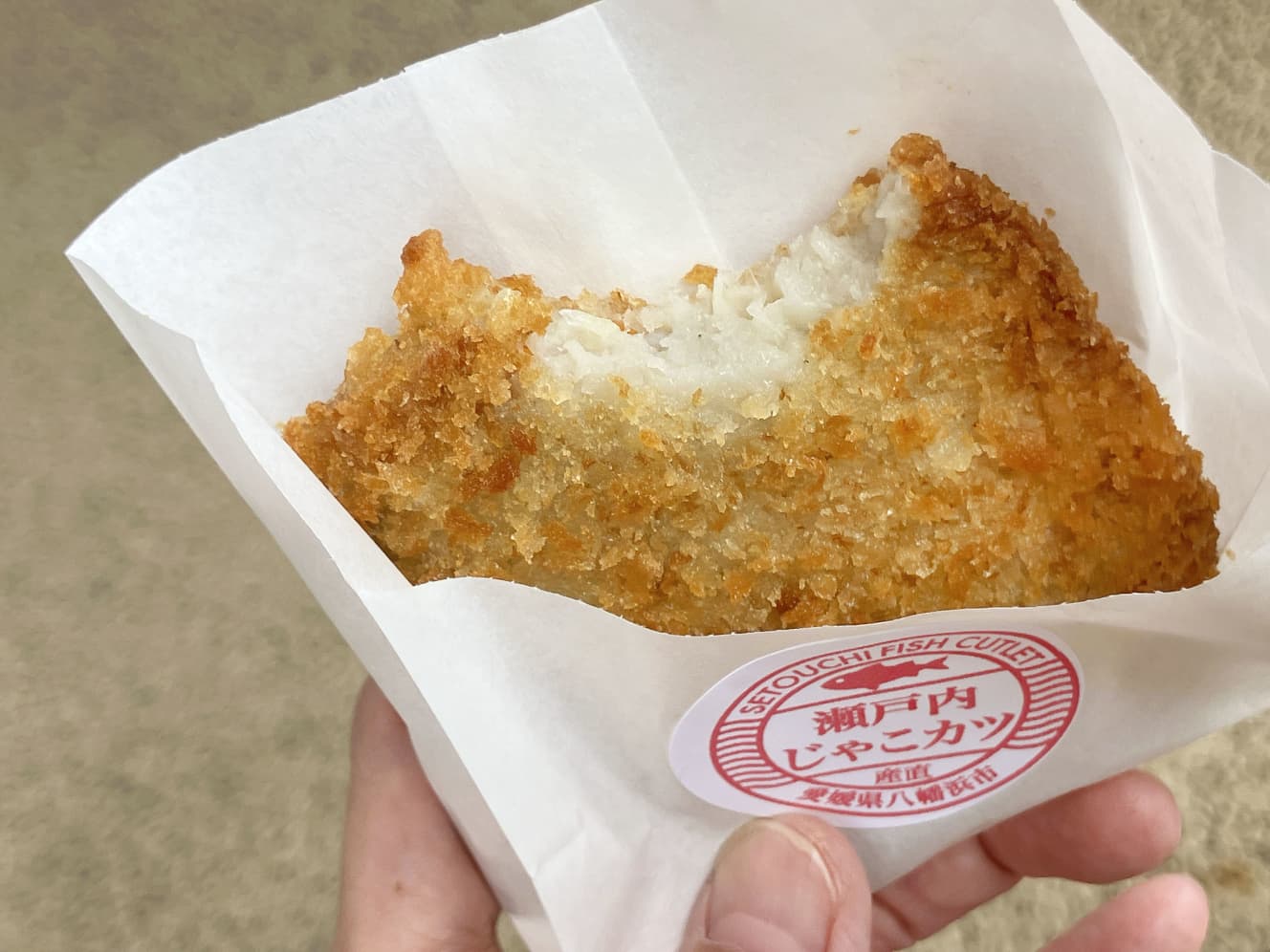 The Setouchi Jako Katsu (350 yen) together with it still keeps you under 1,000 yen. It’ll definitely make you crave a beer.
And there’s more! Expo-exclusive gourmet treats proudly Made in Japan.
There are plenty of other delicious things too, but if I reported on everything I ate in detail, I might forget my original purpose—so here’s a quick overview instead.
 QBB Koremo ii Kitchen’s “Koremo Spicy Katsu” (990 yen). The quality is so high, it feels just like real cheese and real katsu.
At the Osaka Healthcare Pavilion in the Future Food and Culture Zone, Rokko Butter’s plant-based restaurant QBB Koremo ii Kitchen offers items such as the Koremo Spicy Katsu and Koremo Eggplant Bolognese—sandwiches made with thick konjac meat cutlets and filled with plant-based vegan cheese.
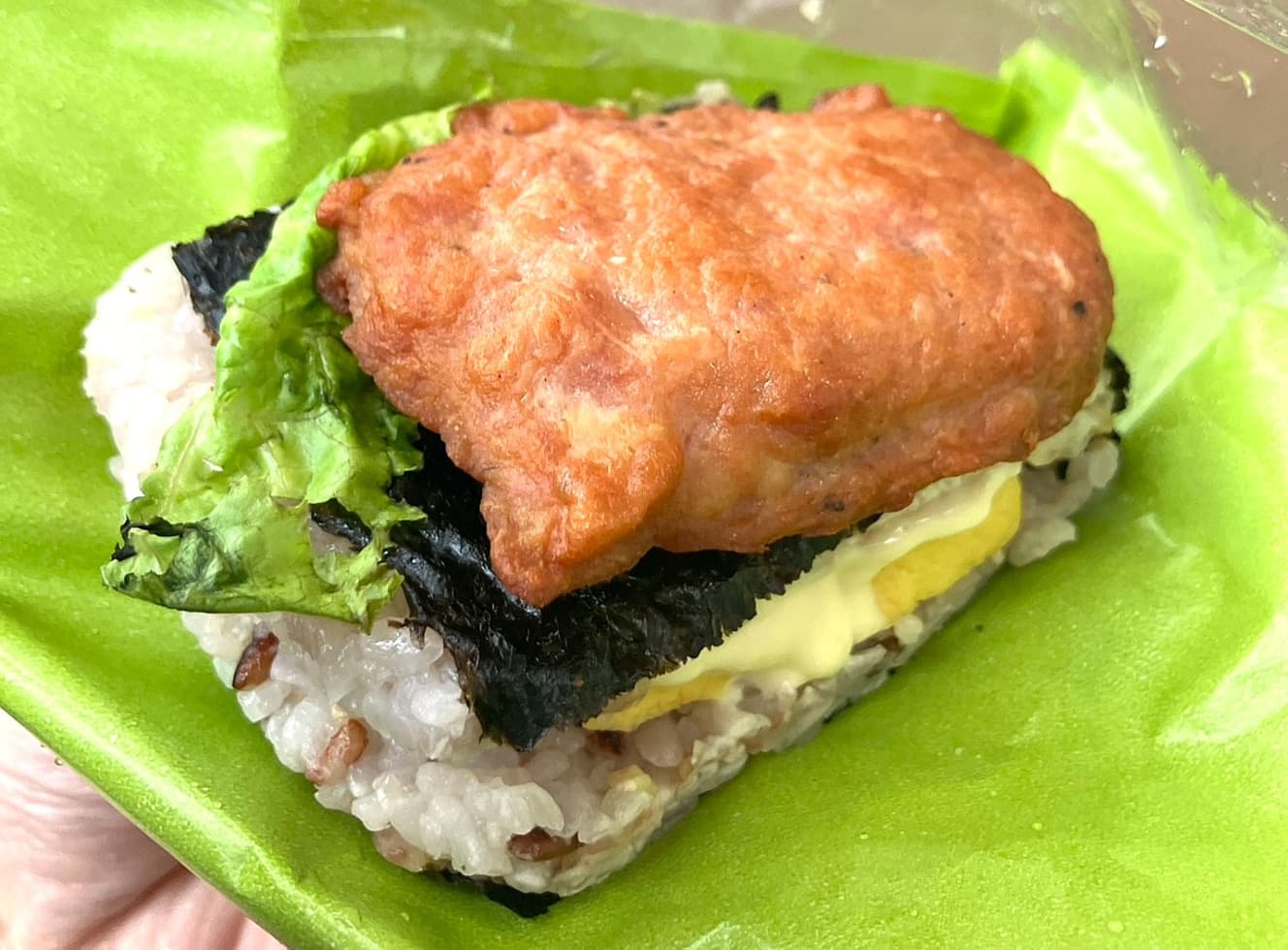 One-Hand Bento’s Chicken Nanban (with Plum) — 890 yen. But honestly, I still think a bento tastes better when the side dishes and rice are separate (lol)!
This one is also located in the Future Food and Culture Zone, produced by Hotto Motto: One-Hand Bento. Items like the Nori Bento (500 yen) and Chicken Nanban (890 yen) have been transformed into one-hand meals—truly next-generation foods perfect for eating while standing or walking.
It’s just text, but here are some other under-1,000-yen Japanese foods:
-
[Healthcare Pavilion] “Ultimate Salt Onigiri” 600 yen, “Dairy- & Egg-Free Soft Serve” 700 yen
-
[ORA Dining Pavilion] “World Onigiri” 650 yen
-
[Osaka Ohsho] “Dotonbori Gyoza (à la carte)” 490 yen, etc.
-
[Daiki Suisan Conveyor Belt Sushi] “Kaisen-don (Seafood Bowl)” 980 yen, etc.
-
[Osaka Noren Meguri (Food Court)] “Daruma’s Expo Croquette” 220 yen, etc.
-
[People, Earth, and Shortcake FUJIYA EXPO 2025 STORE] “One-Hand Shortcake” 590 yen
Now’s the time! Head to the Nepal Pavilion
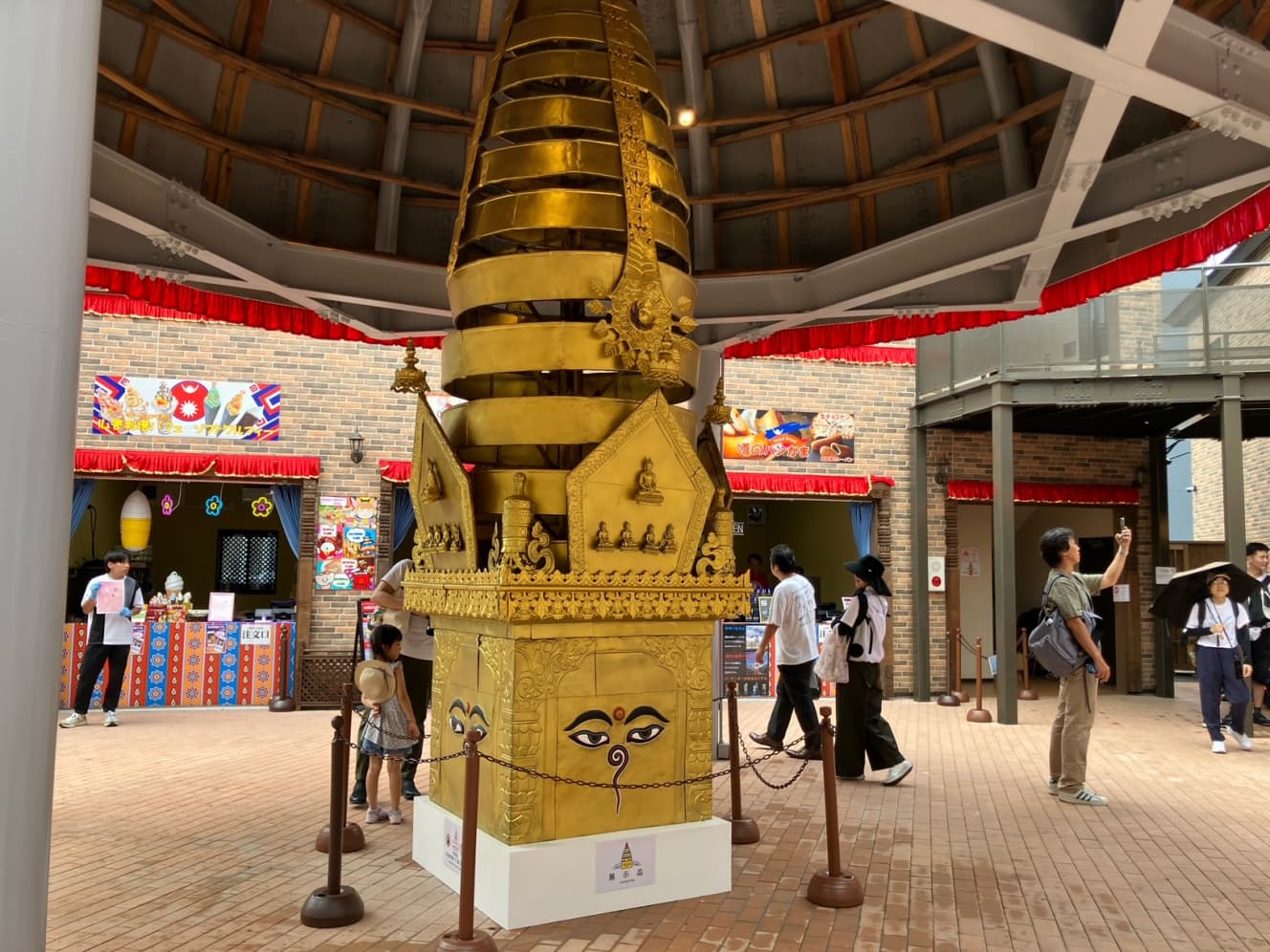
Now, let’s take on some worldwide handheld foods. Unlike in Japan, just looking at the menu names often leaves you going “??” — and more than once, I’ve bought something on a gamble only to think, “Wait, this is what it was?!” Even when there are photos, the taste often turns out completely different from what you imagined.
For beginners, I recommend starting with the Nepal Pavilion, which is currently a hidden gem with relatively few people. Once feared as the pavilion that might never open in time, it finally opened in July. While there’s a line for the pavilion itself, you can slip right into the first-floor shopping area, where a row of shops creates the feel of a small Nepalese street—making it a fun place to explore.

There are shops like the Indian-Nepalese curry places you often see around town, as well as things like a rather irreverent Stupa Parfait. All in all, it’s quite a playful area. Some of the food stalls do feel a bit commercial but think of it as part of the fun and give them a try.

The Fried Momo (1,000 yen) was something different from the typical Nepalese steamed momo—basically just a fried dumpling. Still, the spices sprinkled on it had a distinctly ethnic flavor, and I couldn’t help but keep eating one after another.
【Serbia Pavilion】 is a sure win no matter what you eat
One of the true joys of the Expo is encountering unknown foods from unknown countries. The Serbia Pavilion does have a restaurant, but for those in a real hurry, there are food stalls where you can grab something without much waiting.

What they sell there is called Mučkalica. Not a word of it makes sense at first, right? Apparently, it’s a Serbian stew, typically made by simmering pork with paprika paste and chili peppers.
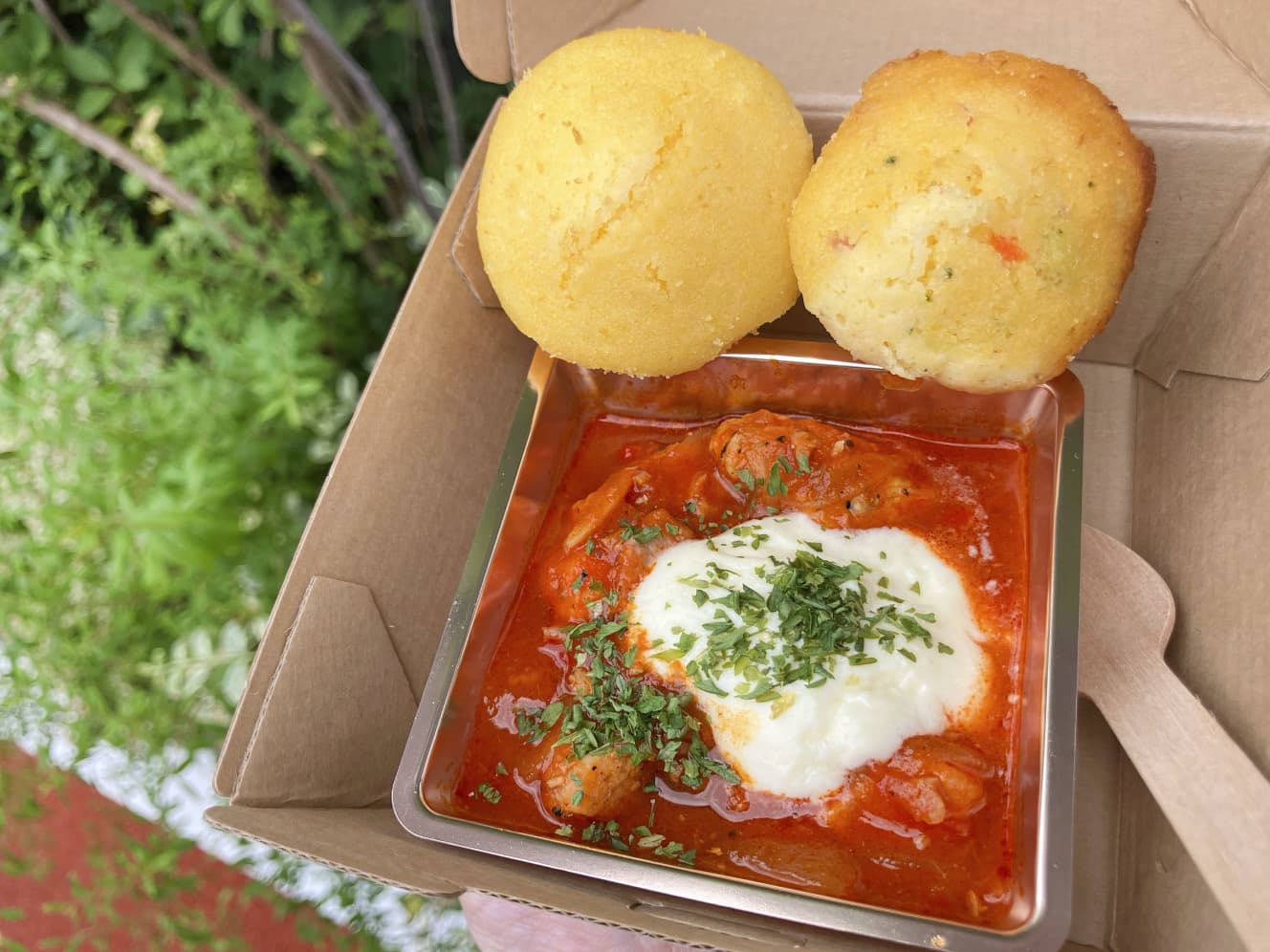
It also came with a small cake (Projaniça), which turned out to be an unsweetened muffin like a savory cake (cake salé)—surprisingly tasty. You dip it into the mučkalica as you eat. Honestly, once the Expo ends, I’ll probably never say the word mučkalica again.
The Serbian restaurant itself was also fairly empty, so it seemed like a good spot to sit down and eat slowly. They offer plenty of dishes under 1,000 yen, such as kebab-like meat dishes and meat pies. I’ve heard good reviews calling it delicious no matter what you eat and a winning Expo restaurant.
Too mysterious yet unbelievably delicious: India
The India Pavilion also has a strong reputation for high-level food. There’s no restaurant, but plenty of Indian dishes are available for takeout. True to form, India impresses with how systematic and efficient the whole process is—from payment to ordering to pick up. And no matter what you buy, they pack it in an impressively sturdy bag, giving you a real sense of India’s economic confidence.


If you’re really hungry, I recommend the Idli Sambar (900 yen). Basically, it’s sambar (a vegetable and lentil curry) packed with plenty of idli (steamed rice cakes). It’s so heavy and filling that, honestly, eating it while standing is impossible.

Now, the food I found the most mysterious at the Expo (at least in the areas I visited) is this Pani Puri (700 yen). The description says, “Fried puris are filled with a potato filling, then pani is poured over the puris,” but honestly, I had no idea what that meant (lol)!!

When I opened it, it looked like this (below). The pani is apparently the soup, and inside the box were round, light, fried balls, a casually included tube of soup, and something like potato salad with beans. In other words, you’re supposed to poke a hole in the crispy round balls, stuff in the potato salad, and pour the soup over them.

Trepidatiously following the instructions, I found the puris were surprisingly firm, so the soup didn’t leak, and I probably wasn’t doing it wrong. When I popped one into my mouth, the taste and texture were like, “Whoa! What on earth is this!?”
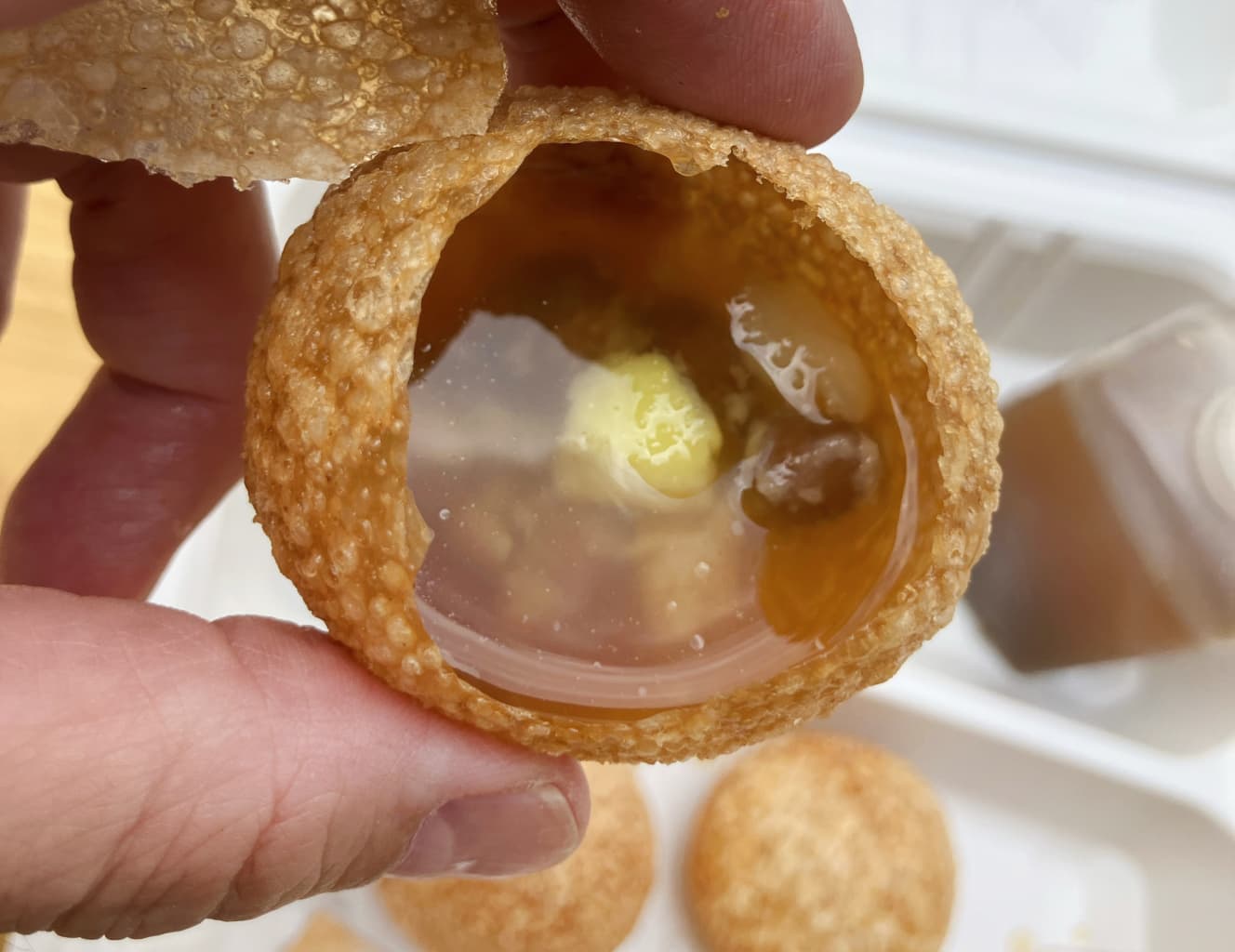
The crispy shell filled with potato salad, chickpeas, and cold soup bursts in your mouth. The soup has a strong tamarind flavor, with a tangy taste and a unique aroma thanks to a blend of spices like cayenne pepper.
This is delicious!!
But why anyone thought to put potato salad and soup inside a ball is beyond me. The world really does have some strange foods.
This is part of the charm of the Expo—you get to encounter unknown food cultures from around the world. It’s also a chance to think, “I want to try this country’s cuisine!” or wonder about the background and origins of a particular dish.
There are still more bizarre and fascinating gourmet foods from around the world.
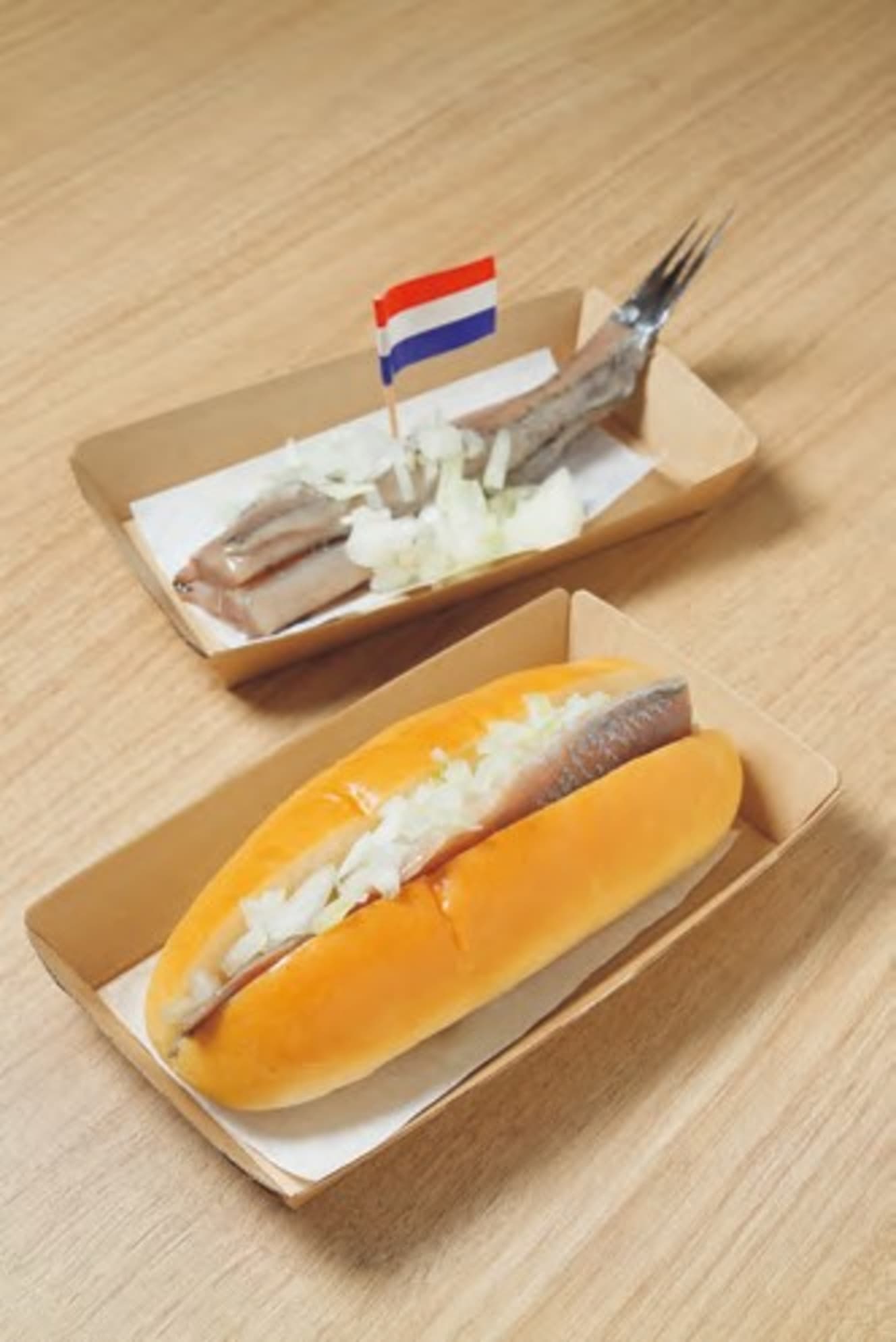

Here’s a list of other mysterious global gourmet treats (without photos, making them even more intriguing!):
-
[Germany Pavilion] Pretzel — 800 yen
-
[Azerbaijan Pavilion] Badambura — 450 yen
-
[Spain Pavilion] Churros with Chocolate Sauce — 880 yen
-
[Saudi Arabia Pavilion] Saudi Coffee / Sabudana Cheesecake — 700 yen
-
[Australia Pavilion] Aussie Meat Pie — 850 yen
-
[Serbia Pavilion] Ćevapi Sandwich — 880 yen
-
[Philippines Pavilion] Ice Cream Scoop — 650 yen
-
[Turkmenistan Pavilion] Pishme — 900 yen
-
[Nordic Pavilion] Cinnamon Roll — 960 yen
-
[Belgium Pavilion] Liège Waffle — 500 yen
-
[Singapore Pavilion] Chicken Satay — 990 yen
-
[Tunisia Pavilion] Tunisian Tajine — 600 yen
-
[Turkey Pavilion] Kadayif — 980 yen
I hope this treasure trove of information proves helpful. With the Expo winding down, take the opportunity to enjoy the flavors of the world while having a comfortable and fun visit!

All prices include tax. The information in this article is based on research conducted in late July.
Interview, text, and photos: Shigeru Nekota