Unreported Income Leads to Sudden ¥1M Tax Bill for Tenants


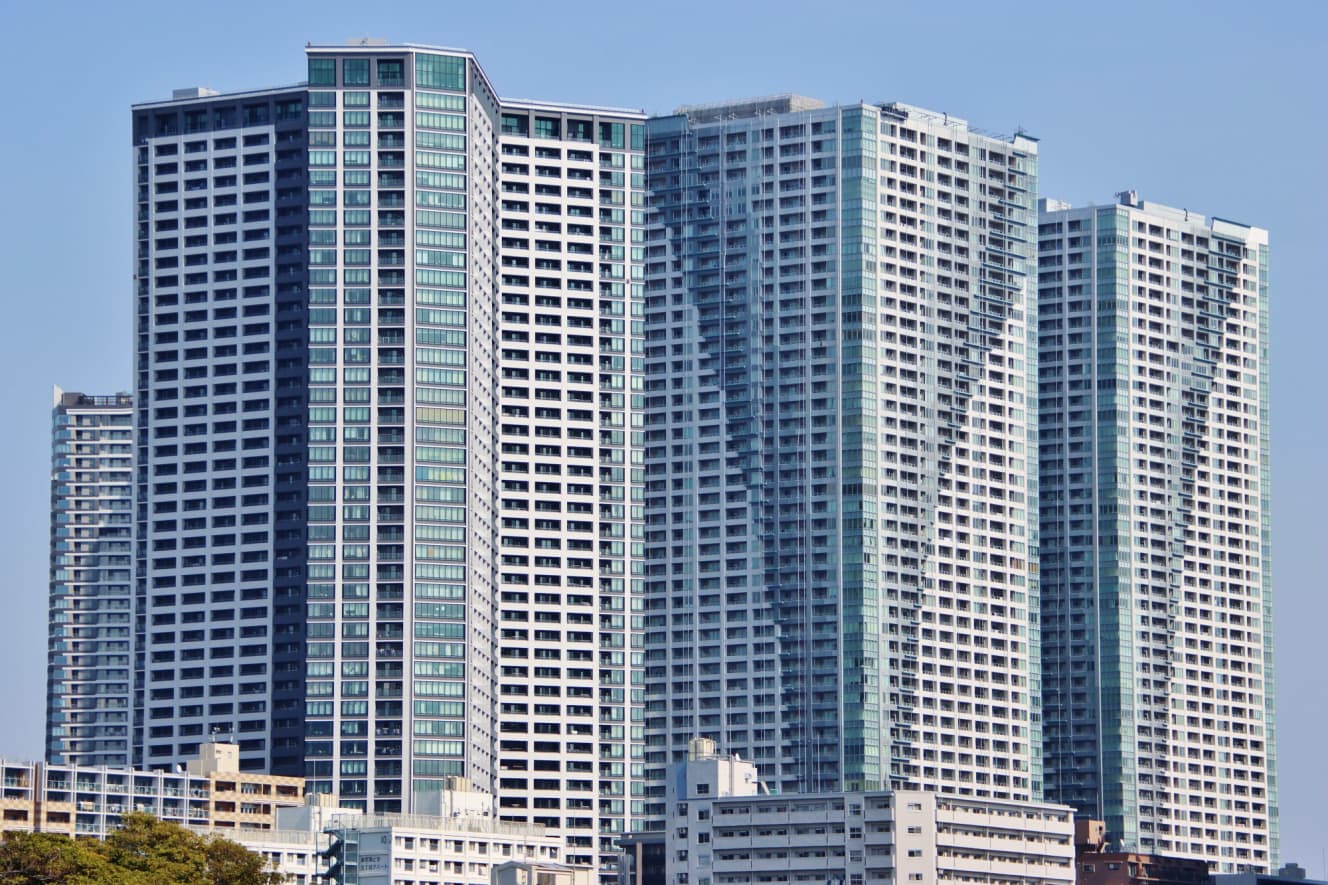
Cases of people getting into trouble after being flagged by the tax office are on the rise
In the July House of Councillors election, foreign ownership restrictions became a major point of debate. Land and condominiums are being snapped up one after another by foreign investors, while poor Japanese can no longer afford to buy.
A survey released in March this year by Mitsubishi UFJ Trust and Banking Corporation—the “FY2024 Second Half Developer Survey”—highlighted these concerns.
The study, covering 25 developers from major to mid-sized firms, looked at how many new condominiums in Chiyoda, Minato, and Shibuya wards were purchased by foreigners.
On average, 20–40% of new condo buyers were foreigners. In fact, 7.7% of developers responded that more than half of buyers were foreigners.
As foreign ownership rises, a serious problem has come to light.
“There’s something I want people to spread,”
a man says directly to the camera in a video that quickly went viral on X.
He revealed that he had rented a property from a Chinese owner, and after five years, when he was preparing to move out:
“The tax office came and said, ‘There’s about 1 million yen in unpaid taxes. You need to pay it.’”
But why would the tenant be asked to pay?
To investigate, the site interviewed tax accountant Hiroyuki Kaji of the KAJI Group Tax Corporation, who explained:
“If the property owner is a foreigner not residing in Japan, the tenant must withhold 20.42% income tax from the rent and pay it to the tax office by the 10th of the following month. Many foreign landlords and tenants are unaware of this law, and cases where the tax office intervenes have been increasing.”
For example, if the monthly rent is 100,000 yen, then 20,420 yen must be withheld and paid to the tax office, while the remaining 79,580 yen is sent to the owner.
“In the case of the man in the video, he was probably billed about 1 million yen over five years, including delinquency charges. However, if an individual is renting the property purely as a residence, withholding is not required. This rule applies only when the lease is for business use (including under an individual’s name) or under a corporate name,”
explains tax accountant Kaji.
Since it’s the law, the frightening part is that saying “I didn’t know” is not an excuse
The man in the video may have rented the property under a business or corporate contract.
“I’m in a huge dispute right now. I think this is an unfair law. Nobody told me anything. The overseas owner didn’t know either. Apparently, the real estate agency has no duty to inform us.”
he protested angrily.
In the comments section, opinions were divided:
“The tax office is unforgivable!”
“This law is strange.”
On the other hand, some wrote calmly:
“It’s the law, so not knowing isn’t an excuse.”
So how can one avoid being caught in such a trap? According to tax accountant Hiroyuki Kaji:
“At the contract stage, you have to carefully check whether the landlord is a non-resident foreigner. If you’re not convinced, it’s important to walk away from the contract. Another option is to involve a domestic real estate agency and pay the rent through them.”
Once a property is bought by a Chinese investor, it is often resold through Chinese real estate brokers to another Chinese buyer, making it unlikely to return to Japanese hands. If the property you rent ends up under the ownership of a foreign resident abroad without your knowledge, you may suddenly become responsible for withholding tax every month.
If at least that much were disclosed, tenants could prepare—but as the viral video shows, one may unknowingly fail to declare, only to have the tax office suddenly show up at the door. A truly frightening possibility.