Gang Members Exploit Trust to Scam COVID-19 Relief Funds


Fraudulently received 2.5 billion yen in COVID-19 sustainability support payments
On the morning of July 31, an elderly suspect appeared outside the Takinogawa Station of the Tokyo Metropolitan Police Department to be sent for prosecution. At first glance, he seemed calm, but when he noticed our photographer taking pictures, he briefly furrowed his brow and glared sharply.
The suspect arrested on suspicion of attempted fraud—applying for the special COVID-19 relief loan program to swindle 650,000 yen in cash—was Toshiharu Zenbayashi (63), an executive under the designated yakuza group, the Kyokuto-kai.
“Around 2020, during the COVID-19 pandemic, Zenbayashi applied for relief loan programs and other COVID-19-related grants that gang members were not allowed to use, claiming that work at festival and event stalls had decreased. At that time, he signed a declaration stating ‘I am not a gang member’ and allegedly attempted to obtain cash fraudulently. In his interrogation, Zenbayashi reportedly partially denied the allegations, saying he ‘did not know gang members could not use the programs,’” said a reporter from a national newspaper’s social affairs department.
Speaking of COVID-19 relief fund fraud, the sustainability support payment scam had caused a stir at one point. The program provided up to 2 million yen to corporations and 1 million yen to individuals, targeting companies, self-employed individuals, and freelancers whose businesses were heavily affected by the pandemic. However, in practice, students and salaried workers who were not running businesses made false applications to receive payments illegally. Some even solicited applicants via social media, charging intermediaries’ fees for submitting fraudulent claims.
In March 2024, a company executive in Mie Prefecture (aged 49 at the time of sentencing) received a seven-year prison sentence. He and a group centered around his wife and two sons reportedly submitted at least 960 false applications, receiving over 1 billion yen in fraudulent payments. By August 2022, 2,578 cases involving 2,866 individuals had been prosecuted for sustainability support payment fraud, with the total amount defrauded estimated at approximately 2.56 billion yen.
The Ruthlessness of Exploiting the Belief in Human Goodness
The funds that Zenbayashi allegedly tried to fraudulently obtain were not the sustainability support payments, but the “Emergency Small Amount Fund” and the “Comprehensive Support Fund.” These are interest-free loans provided to households whose work has decreased or who have become unemployed due to the impact of COVID-19. The “Emergency Small Amount Fund” provides up to 200,000 yen, and the “Comprehensive Support Fund” provides up to 200,000 yen per month for three months. Originally, these programs targeted low-income households or those with disabled members, but from April 2020, a special provision expanded eligibility to households whose income decreased due to COVID-related work loss. Fraudulent claims had already been a problem even under this system.
“The application forms for the ‘Emergency Small Amount Fund’ and the ‘Comprehensive Support Fund’ include items such as, ‘Neither I nor any member of my household is a gang member, and we will not become gang members during the loan period,’ and ‘I agree to provide information regarding any gang affiliation of myself or my household members.’ Applicants had to sign to indicate their agreement.
The applications were reviewed by the social welfare councils of each municipality. Between March and September 2020, these councils issued approximately 1.07 million loans nationwide. The sheer volume of applications was so large that it was practically impossible to verify each one individually.
Due to the urgency of the situation, many applications were approved as long as there were no obvious errors in the paperwork. As a result, there were frequent cases of gang-affiliated individuals fraudulently obtaining the funds,” said a welfare official.
Like the sustainability support payments, COVID-19 relief funds prioritized simplified and expedited procedures to help those in need as quickly as possible. This approach was based on the assumption—essentially a belief in human goodness—that applicants were genuinely struggling due to COVID-19. While government offices handling public money must rigorously check for fraud, it is unacceptable to allow those who exploit desperate circumstances to illegally seize funds.
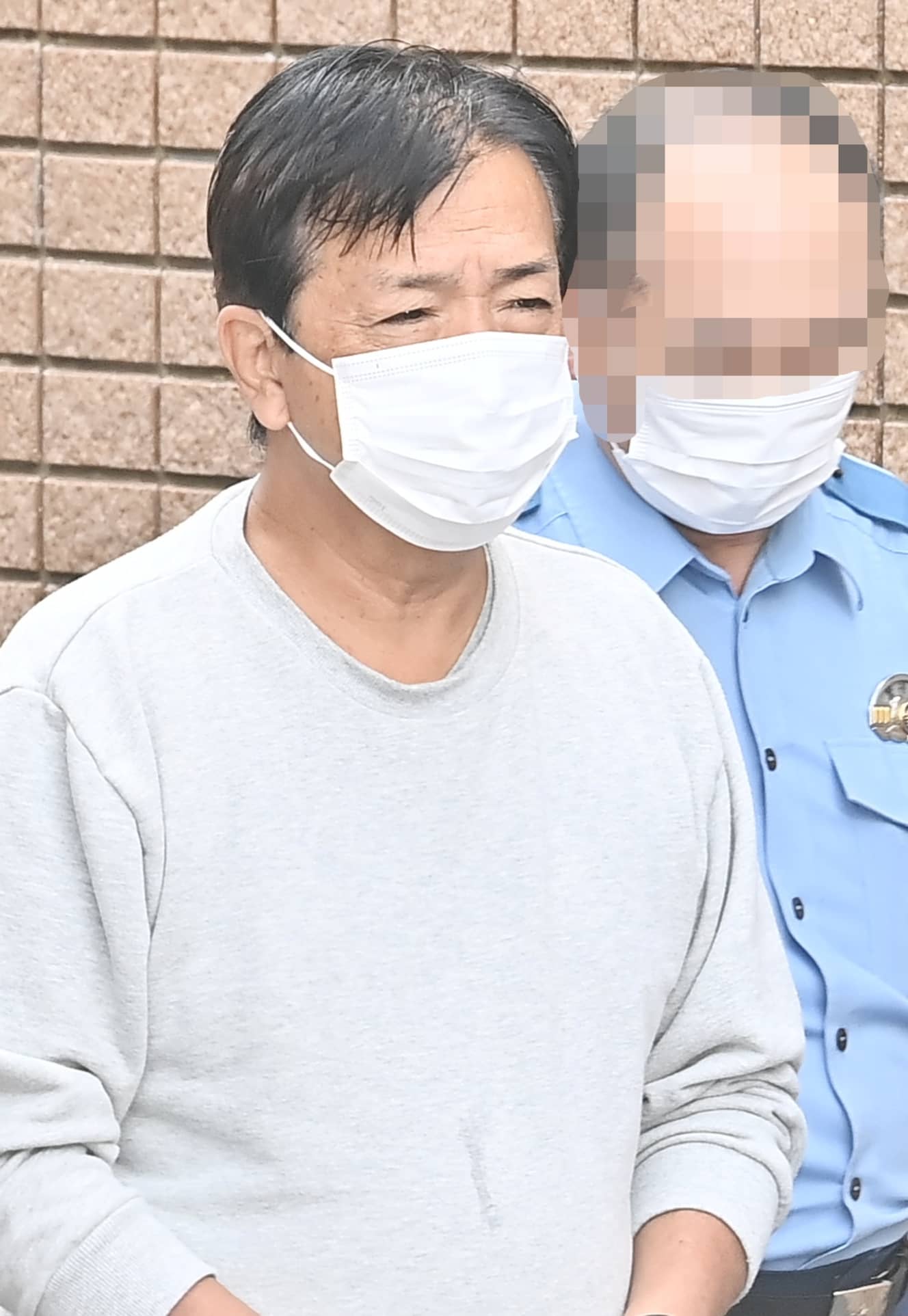
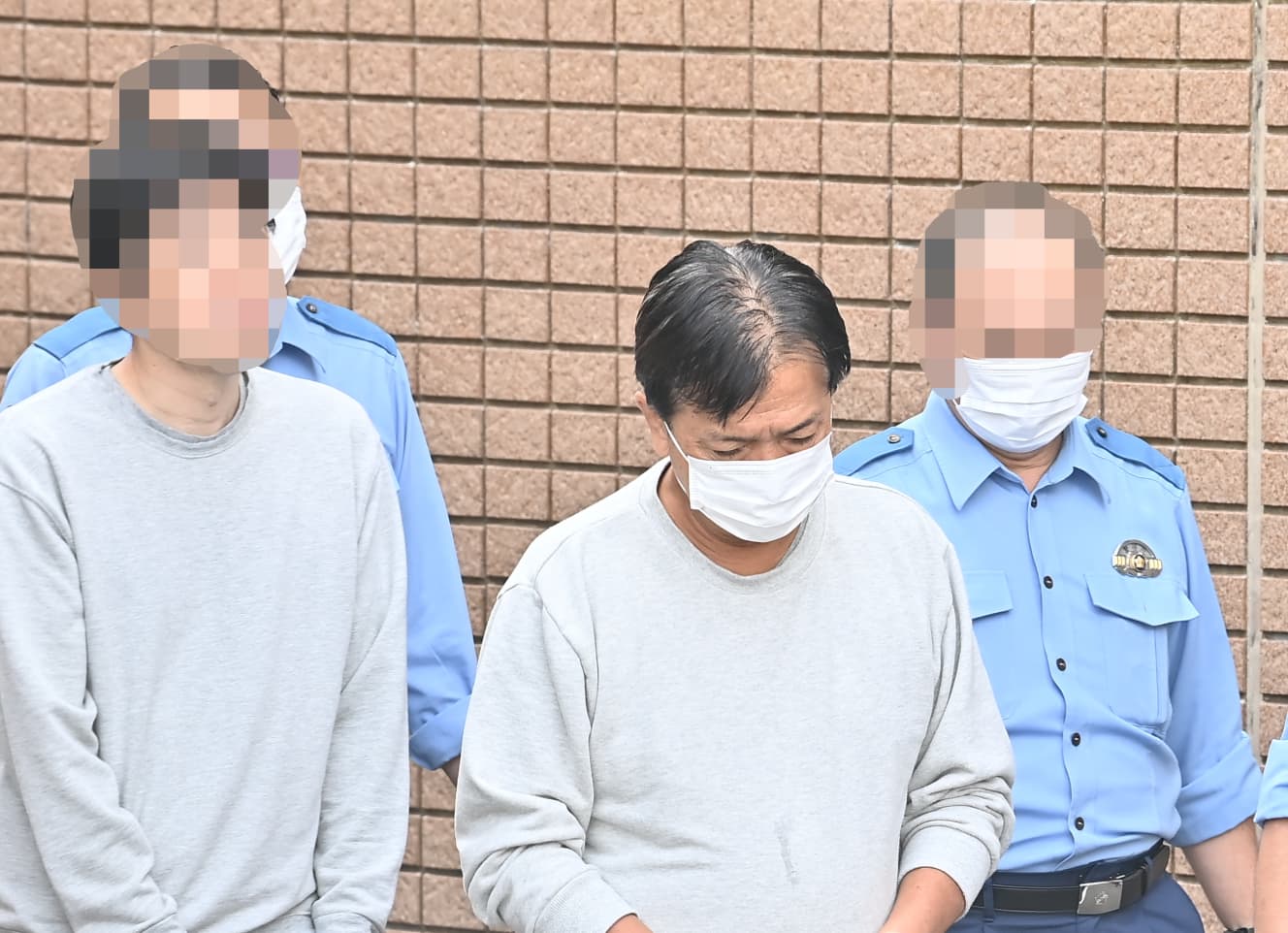


PHOTO: Shinji Hasuo