How a Consulting Firm’s President Unfroze Fraudsters’ Accounts to Launder Money


Seizure of frozen accounts belonging to a fraud group
The Metropolitan Police Department’s Crime Proceeds Control Division announced on July 28 that they arrested three people on suspicion of fraud and illegally withdrawing cash from frozen bank accounts. The suspects include Tatsuo Inoue (73), president of the Tokyo-based consulting company Stash Cash (“Stash”), Takechiyo Hayashi (61), the company’s de facto manager, and Xiaoneng Li (37), former representative of the Taito-ku-based system company Recruitas.
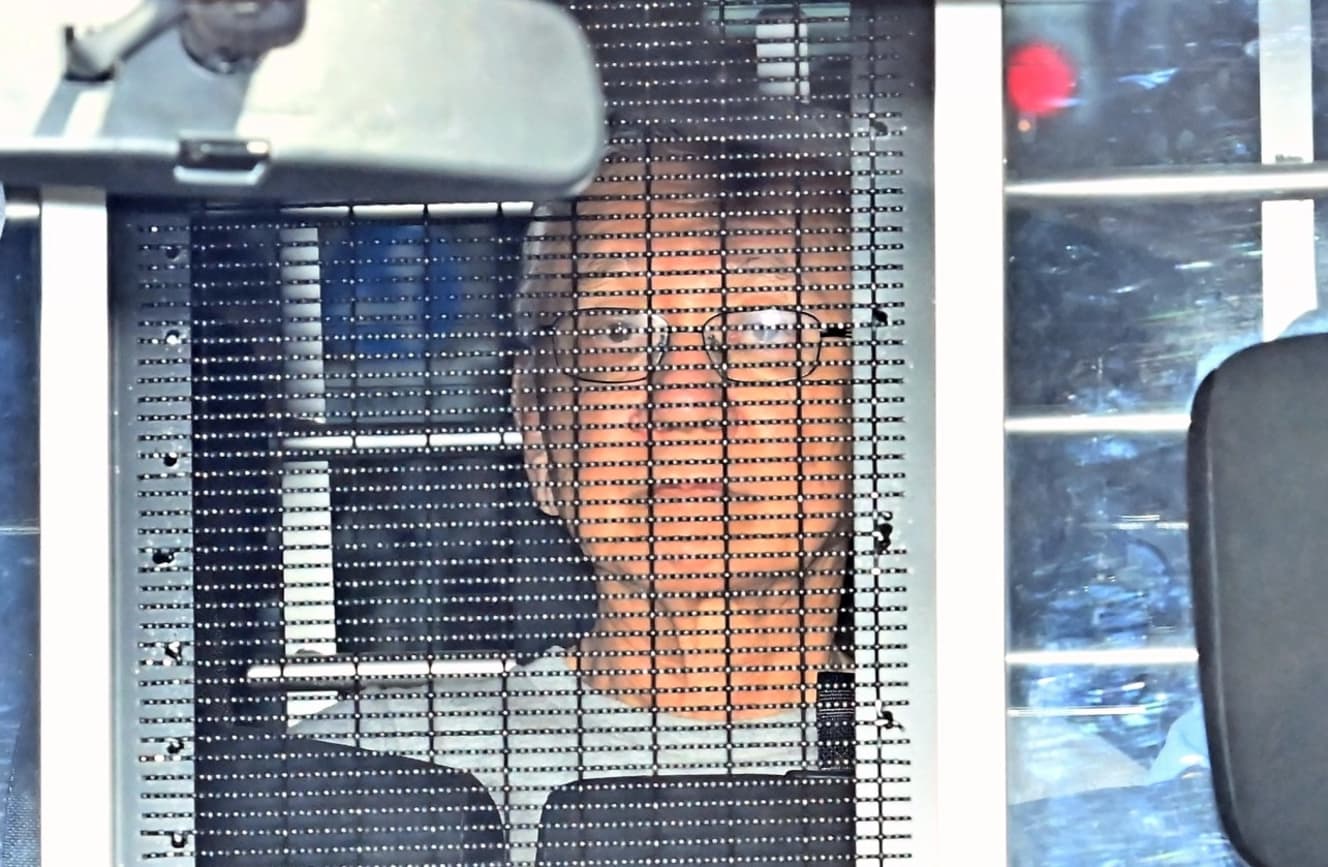
On July 29, Inoue was escorted by a police van from the Azabu Police Station. Without covering his face, he looked straight ahead and muttered something. When reporters surrounded the vehicle and camera flashes went off, he seemed slightly startled and glanced around.
The charges state that last August, the three conspirators created a false notarized document claiming that Stash had loaned Recruitas 6.5 million yen at a notary office in Ginza. They submitted this document to the Tokyo District Court, which approved Stash’s enforcement against Recruitas’ frozen bank account, allowing them to withdraw approximately 6.1 million yen in cash.
Recruitas’ account had been frozen in March 2024 on suspicion of containing funds from investment fraud victims. The suspects’ plea has not been disclosed. (Source: National newspaper social affairs reporter)
Prior to the arrests, it was revealed that Stash had repeatedly used false notarized documents to enforce withdrawals on frozen accounts.
Between November 2023 and October 2024, Stash had eight notarized documents created by the same notary. Each document claimed Stash had loaned more than 400 million yen to eight companies, with a clause allowing enforcement if repayment was not made within a few days. As no repayments were made, Stash withdrew cash from each company’s frozen accounts.
Because of these withdrawals, the fraud victims who should have had their stolen funds returned from the frozen accounts were unable to recover their money. Some victims filed lawsuits claiming the enforcement was unjust. In July, the Tokyo District Court ruled that the content of the notarized documents was unreliable.
Police suspect that since 2023, Stash has illegally withdrawn more than 400 million yen using similar methods from multiple frozen accounts under different company names. (Same source)
Were they in cahoots with the fraud group?
A notarized deed is created when a notary confirms the details of financial loans or borrowings with the parties involved. If the deed includes a clause stating that in the event of default, forced execution can be carried out without going through court procedures, creditors can quickly recover their debts. Many companies use this method for that reason. In this case, there is suspicion that the notarized deed was misused, and the Ministry of Justice is conducting an investigation together with the Japan Notaries Association.
“Money deposited into accounts through crimes such as fraud is usually withdrawn immediately. To recover the defrauded money, it is essential to freeze the accounts as soon as possible, preventing the fraud group from accessing the funds.
This incident was likely carried out by the fraud group themselves to recover the money they had earned. Normally, the information about frozen accounts is not accessible, but in past cases, it was often observed that the amounts the suspects tried to seize were just about equal to the account balances.
This would be impossible without information from the fraud group. The police believe that suspect Li acted as an intermediary with the fraud group to procure the frozen accounts, and suspects Inoue and others handled the unfreezing, distributing the withdrawn money with the fraud group,” said a writer familiar with the case.
Under the Anti-Fraud Relief Act enacted in 2008, financial institutions requested by the police can freeze accounts suspected of being used for criminal activities and return the money to victims. In recent years, accounts have been frozen at much earlier stages, and the method used by Stash Co. was likely devised as a countermeasure to this.
No matter how strictly the police crackdown, criminals never stop trying to make money by any means necessary.


PHOTO: Shinji Hasuo