Three Months of Brutal Captivity: The Torment of a Male Victim


Two new suspects arrested
On July 17, the Tokyo Metropolitan Police Department announced the arrest of Yuto Oshiro (24) and six others on charges of unlawful confinement and injury. They allegedly held a man in his 30s, a project manager, captive and assaulted him over three months due to dissatisfaction over unpaid fees for interior construction work. On July 26, two more suspects, Osamu Kawamura (50) and Yu Ueno (21), were arrested by the Metropolitan Police Department’s First Investigation Division on the same charges.
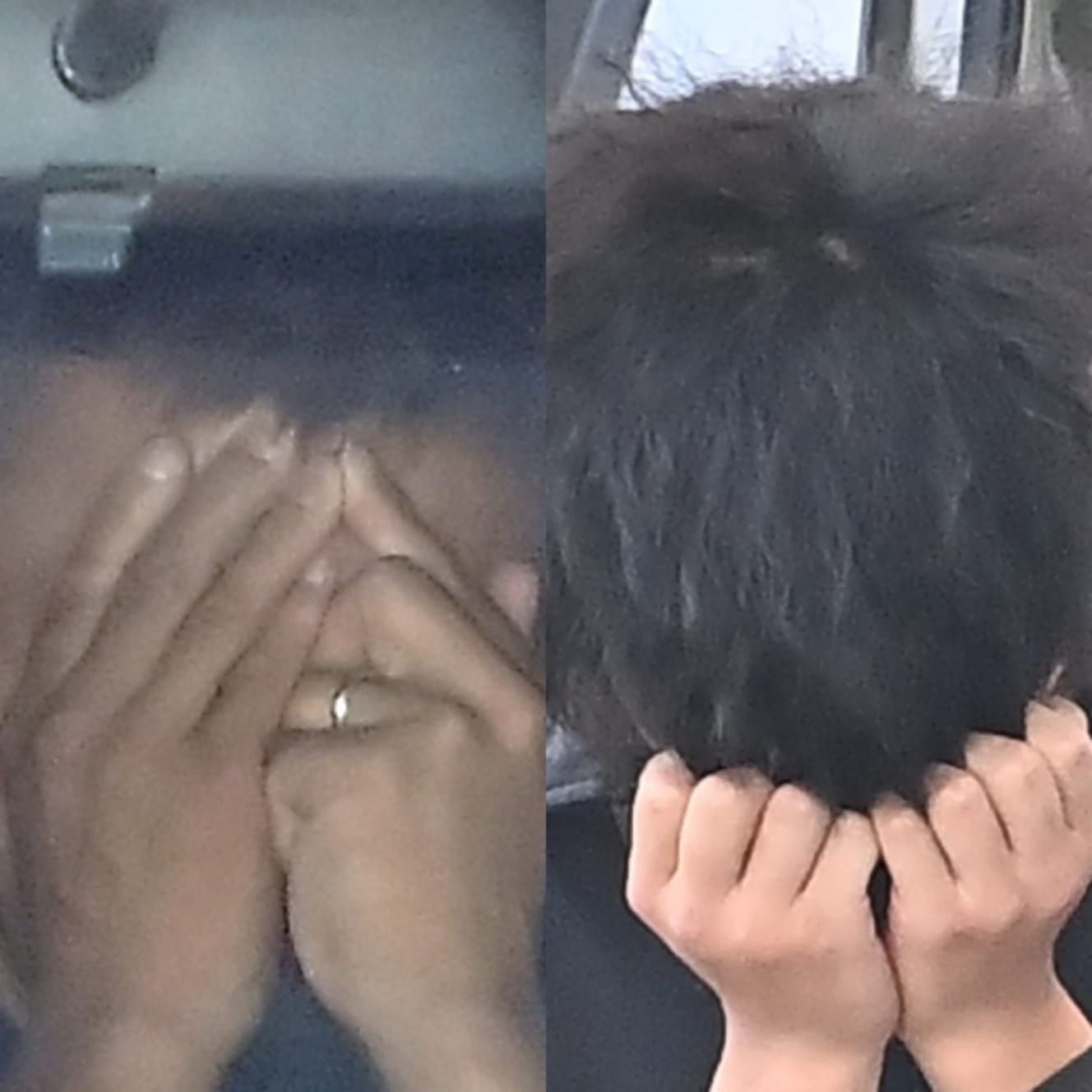
On the morning of July 26, Kawamura was brought to Takashimadaira Police Station in a car. He avoided looking at the gathered media, covering his face with both hands throughout. About an hour and a half later, Ueno was brought in similarly, covering his face with both hands and being guided inside the building by officers.
Kawamura was also involved in a payment dispute with the same prime contractor as Oshiro and is believed to have conspired with Oshiro and others to begin the victim’s confinement. Ueno, a junior colleague of Oshiro, was reportedly assigned as a lookout. Kawamura reportedly said, “I don’t know much,” while Ueno stated, “I can’t put it into words.”
Oshiro and his group confined the victim for three months, moving him around while inflicting brutal violence. A social affairs reporter for a national newspaper explained:
“Last year-end, complaints were received by the prime contractor from the client regarding some floating wallpaper installed by Oshiro. The prime contractor told Oshiro and the group that payment would be made after redoing the wallpaper. In mid-January, Oshiro and others abducted the man and demanded payment from the prime contractor. Eventually, the prime contractor was forced to pay an amount exceeding the legitimate construction fees.”
However, this did not satisfy Oshiro and his group. Around 1 a.m. on January 29, they again forced the man into a car on a street in Toshima Ward and abducted him once more.
He was even forced to act like a “kakeko” (runner for illegal gambling)
“The suspects took the man to the mountains of Ibaraki Prefecture and threatened to kill him and bury him there. However, they later reneged on their threat, saying they had decided not to kill him in order to extort more money. They then took him to rental rooms, storage rooms, and private lodgings in and around Tokyo for three months, continuing to confine and assault him. He was confined in a storage room for approximately 20 days on two separate occasions. It appears that meals were only provided every two days.
While continuing to confine and assault the man, the suspects forced him to take out loans and cancel insurance policies, among other things, to obtain approximately 2 million yen. They even made him engage in activities similar to those of a telemarketer involved in special fraud schemes. When the man failed, they inflicted ‘punishments’ such as hitting him with a heated frying pan, pouring hot water on his back, and stabbing his face with a screwdriver.” (Ibid.)
On April 28, a relative of the victim consulted with the Takashima-hira Police Station, saying, “He may be being held captive.” On the 30th, the police discovered Oshiro’s car, which had been involved in an accident in Toshima Ward. Oshiro had fled the scene, leaving the man behind in the car.
“The man suffered severe injuries, including broken ribs and a fractured waist, as well as burns over his entire body, requiring six months to recover. He also had symptoms such as blurred vision in his right eye and was severely weakened due to malnutrition. Despite this, he continued to defend Oshiro and others, saying, ‘I am not being held captive’ and ‘It’s my fault.’ He was reportedly in a state similar to ‘Stockholm syndrome.’” (Ibid.)
According to psychological counselors, Stockholm syndrome is a psychological phenomenon that occurs in extreme situations such as confinement or kidnapping, and “in situations where victims are completely dominated by their perpetrators, they tend to reduce hostile behavior and act cooperatively.”
“Even a small act of kindness from the perpetrator can feel incredibly generous, and victims may rationalize their emotions by viewing the perpetrator favorably in order to reduce stress. These are psychological mechanisms for survival. It suggests that the victims were pushed to the brink of feeling constant danger to their lives.”
The suspects not only inflicted severe injuries on the male victim but also mentally dominated him. What drove the suspects to such brutal crimes? The resolution of the case is eagerly awaited.
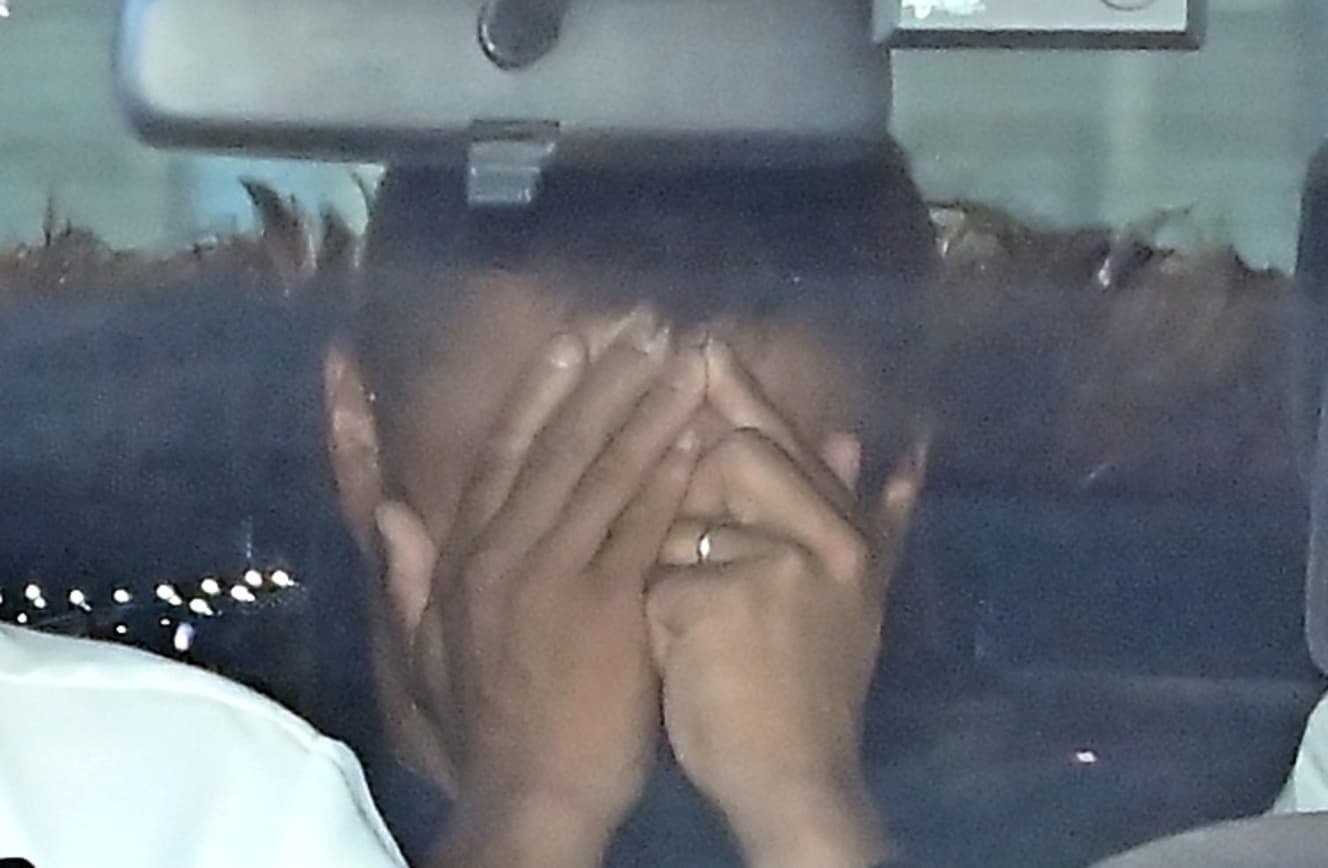




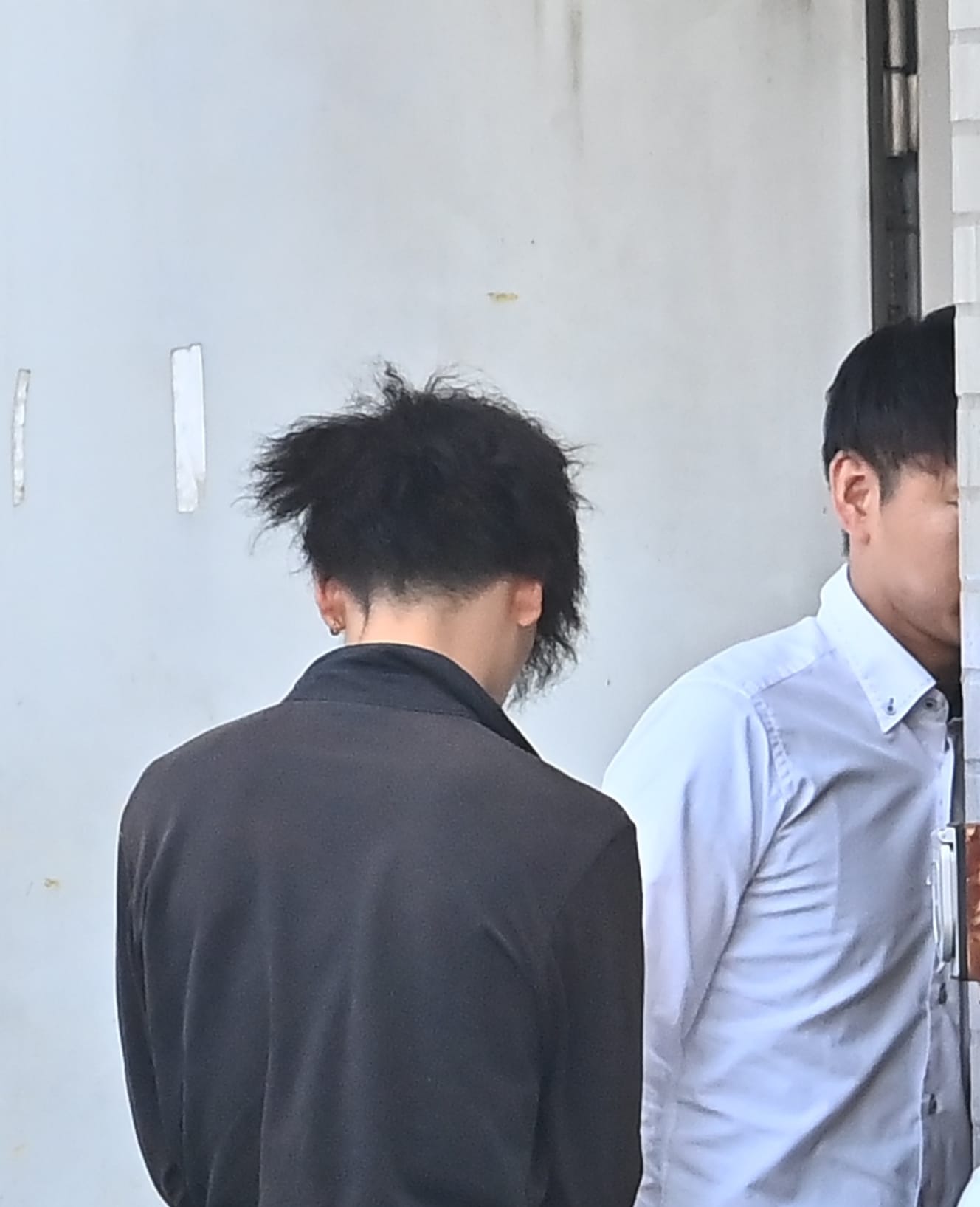
PHOTO: Shinji Hasuo