After the Upper House Election Festival” – The Struggle for the Upper House: “Clearly Divided Lines of Light and Darkness” [photo-document] (Japanese only)
LDP's Historic Defeat and the Suffrage Party's Major Leap Forward Threaten to Roil Nagatacho.


Female candidates who jumped onto the stage
The people’s decision was “change.
The 27th House of Councillors election was held on July 20. Prime Minister Shigeru Ishiba (68), who had been driven to the brink of defeat, suffered another crushing defeat. The LDP lost 39 seats from the 52 seats up for election, and Komeito lost 8 seats from 14, leaving the ruling parties with a combined total of only 47 seats.
Prime Minister Ishiba had set a goal of winning 50 seats, which would give the LDP and Kōmeitō an absolute majority, including the seats not up for re-election. The target was too low, a decrease of 16 seats from the pre-referendum number, but even that number was not attained. The Liberal Democratic Party became the minority ruling party in the House of Councillors as it had been in the House of Representatives.
With the three out, female candidates took to the political stage. A record number of 152 women candidates ran for office nationwide, and a record number of 42 were elected. Among the “battle of the women,” Saya Saya, 43, of the Sangyo Party, came in second out of 32 candidates in the Tokyo electoral district with 660,000 votes, winning the fiercely contested district early on.
Aside from her unusual background as an active jazz singer, her appearance in a white short-sleeved T-shirt and heels as she made a street speech caught people’s attention. In her final speech, she burst into tears and posed with guts in front of the audience of 20,000 people who had gathered to hear her. It was a scene that symbolized the breakthrough of the pro-life party, but political journalist Akiko Azumi questions the political ability of the candidate.
The catchphrase ‘Japanese First,’ which claims to improve the lives of Japanese people, rapidly gained the support of young people and netizens, creating a ‘suffrage whirlwind. Mr. Saya rode this tailwind well and was elected, but he has no political experience. It remains to be seen how far he can go. Even in his street speeches, he did not touch on specific policies at all. She is similar to Akiko Ikuina, 57, a member of the House of Councilors, who was elected in the last Upper House election, citing the shooting of the late former Prime Minister Shinzo Abe and calling for “a democracy that does not rely on violence,” but whose presence has since faded completely.
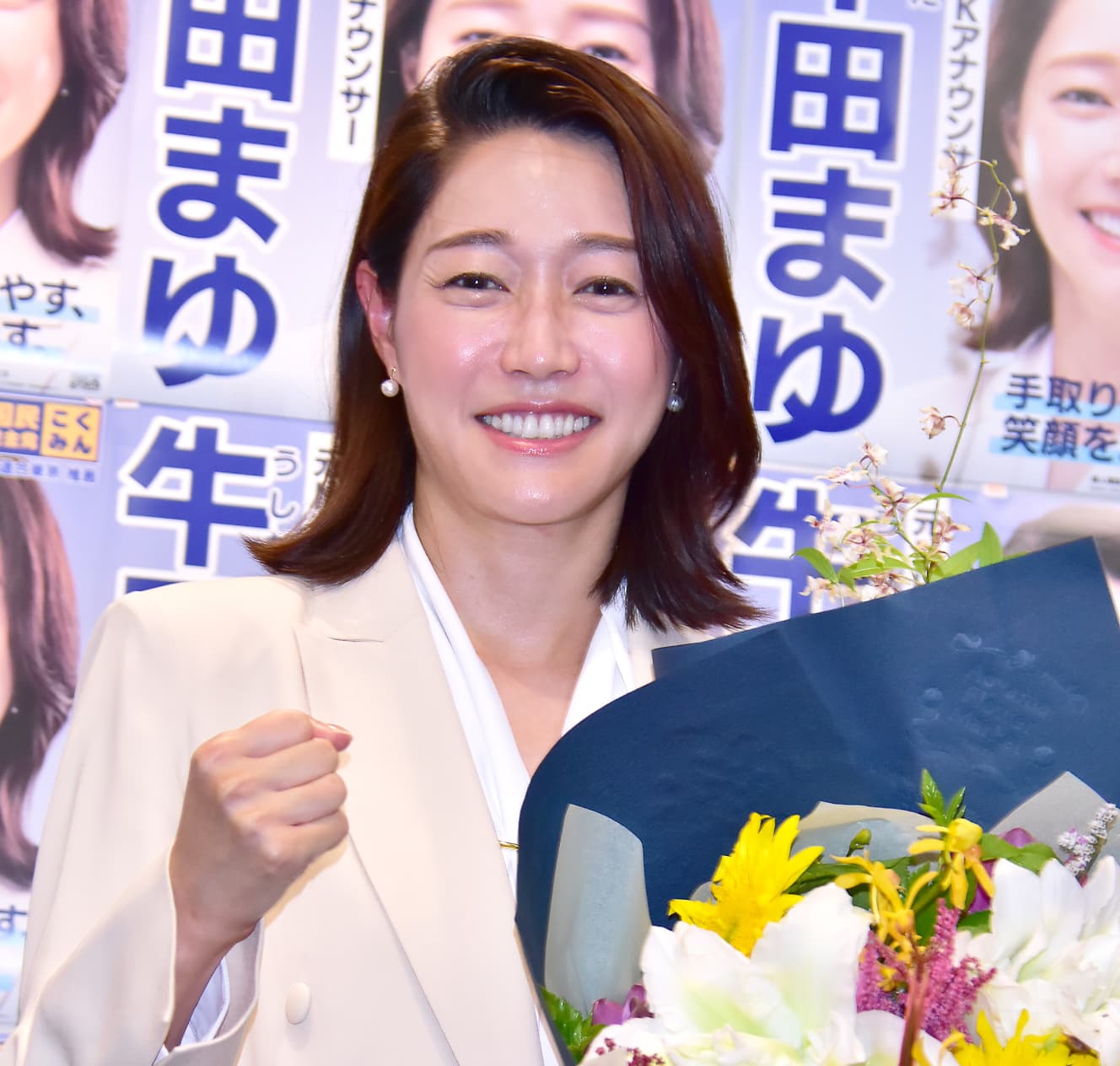
The third-place finisher, who garnered more than 630,000 votes, was Maatomo Ushida, 40, a former NHK announcer who is a member of the KDP. However, NHK officials were bitterly disappointed with his success.
Ushida had been with the Osaka Broadcasting Bureau for several years until 2011, but he returned to the station last April after a five-year absence, after repeatedly asking the station for another chance to have him as the anchor of “Sunday Debate,” which he had once handled. I couldn’t believe my ears when they told me that he had given up after only one year, resigned from the station, and was now running for the upper house of the Diet. The reporters in the political affairs section were furious, saying, “He used the program as a springboard for building political connections. I hope their self-righteous attitude does not reflect badly on me.
As a former TV announcer, I was also criticized for my street speeches, which were supposed to be the best place for me to appeal to the public.
While Yuichiro Tamaki, 56, who came to speak in support of the candidate, spoke for 30 minutes, Ushida spoke for only five minutes. Moreover, perhaps it was a bad habit of the announcer, but he spoke without hesitation, which was not well received by the audience.
FRIDAY spoke to Mr. Ushida immediately after his election, but his speech was also indifferent.
–His speech was one-note, but was he able to say what he wanted to convey to the voters?
Mr. Ushida asked, “Were you able to come to my last speech before the vote? I was able to convey my message with emotion, and I am proud to say that it was well understood.”
When the FRIDAY photographer asked him to pose,
I’m not that excited.
He kicked her off. After that, she did not respond to the reporter’s call.
Yamao’s failure to win the election was “within expectations.
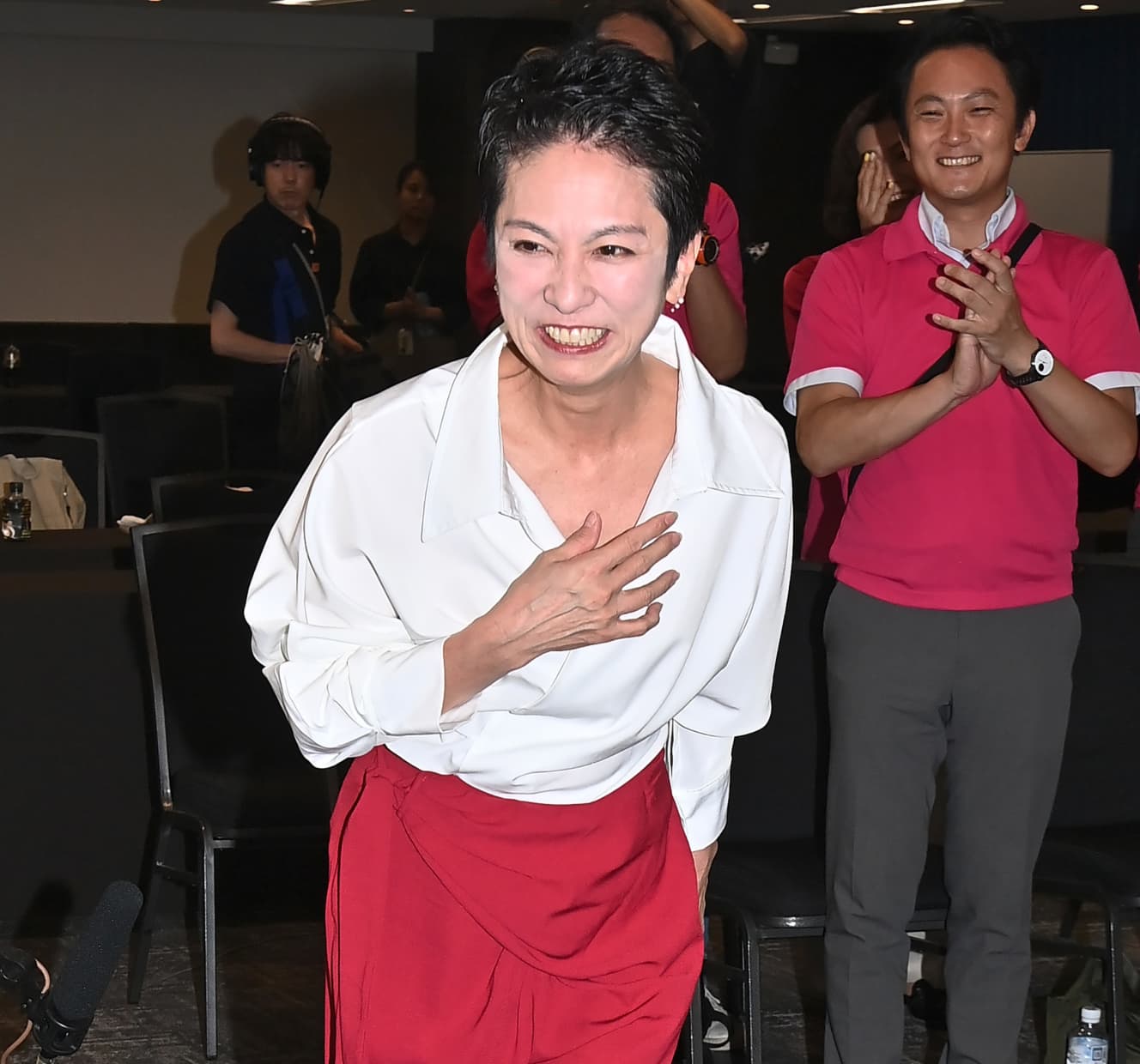
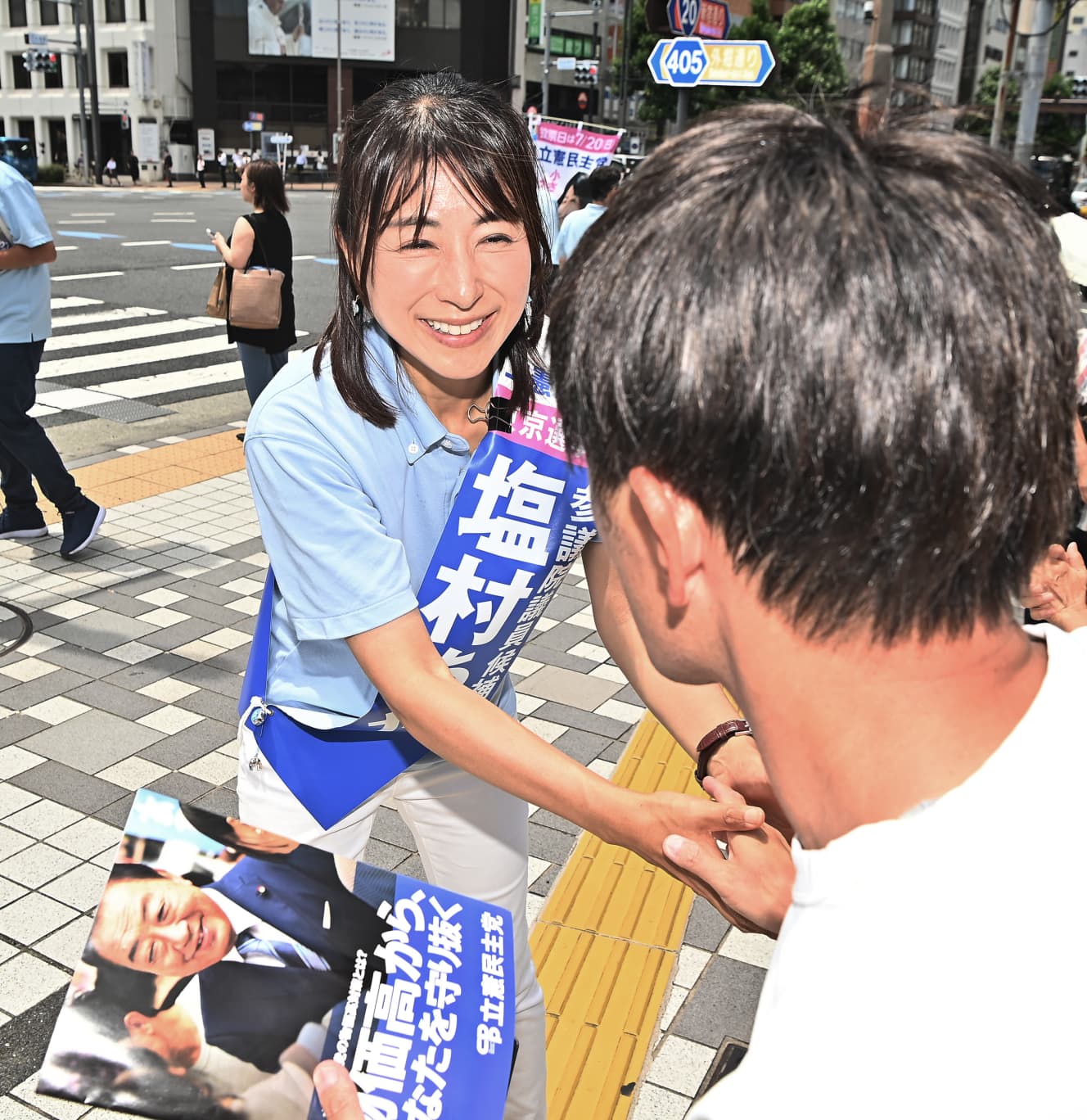
While Renho, 57, who ran in the national proportional election for the Democratic Party of Japan (DPJ) and shed tears when she returned to national politics, and Fumika Shiomura, 47, who was elected for the second time, won the “battle of the women,” there was another big name who suffered a bitter defeat. One of them was Shizuri Yamao, 51, who ran as an independent candidate after the National Democratic Party of Japan withdrew its official recognition of her candidacy.
Instead of running in Aichi Prefecture, her stronghold, she ran in the Tokyo electoral district, but received only 100,000 votes and was not elected. Shortly after 10:30 p.m. on the night of the vote count, FRIDAY approached Yamao as she appeared at her office where her supporters were waiting.
–Will he continue to seek national office in the future?
I would like to think about the cause while watching the results of the vote count. I will consult with those around me and make a decision about my future.
Mr. Yamao smiled quietly. An LDP insider surmised the meaning of the smile.
For Yamao, the Upper House election was aimed at ascertaining his current vote-getting power. He knew he would lose the election. Now that he knows how many votes he can get, he can run for the next lower house election in a district where he is likely to win. He is very clever.
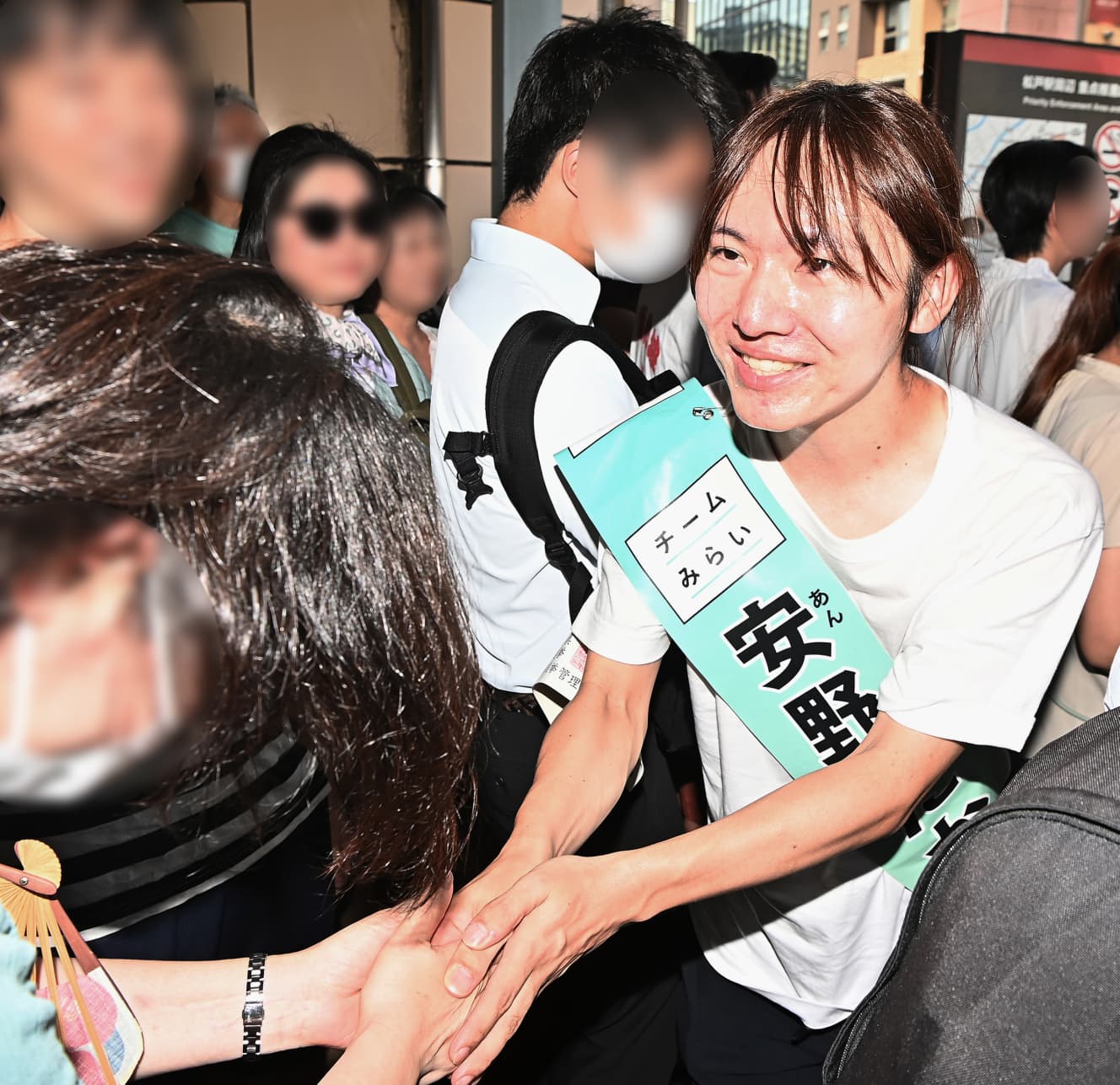
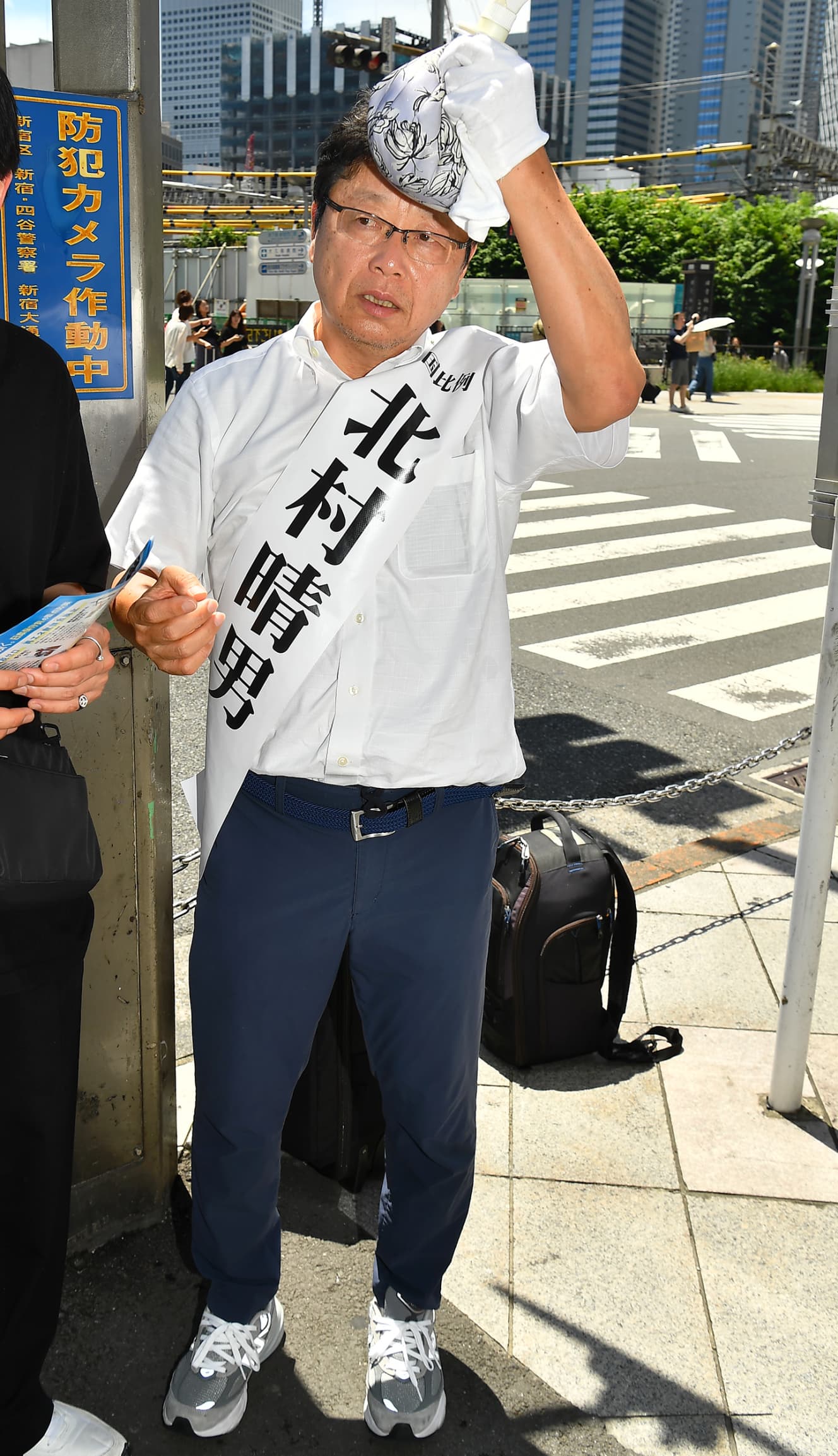
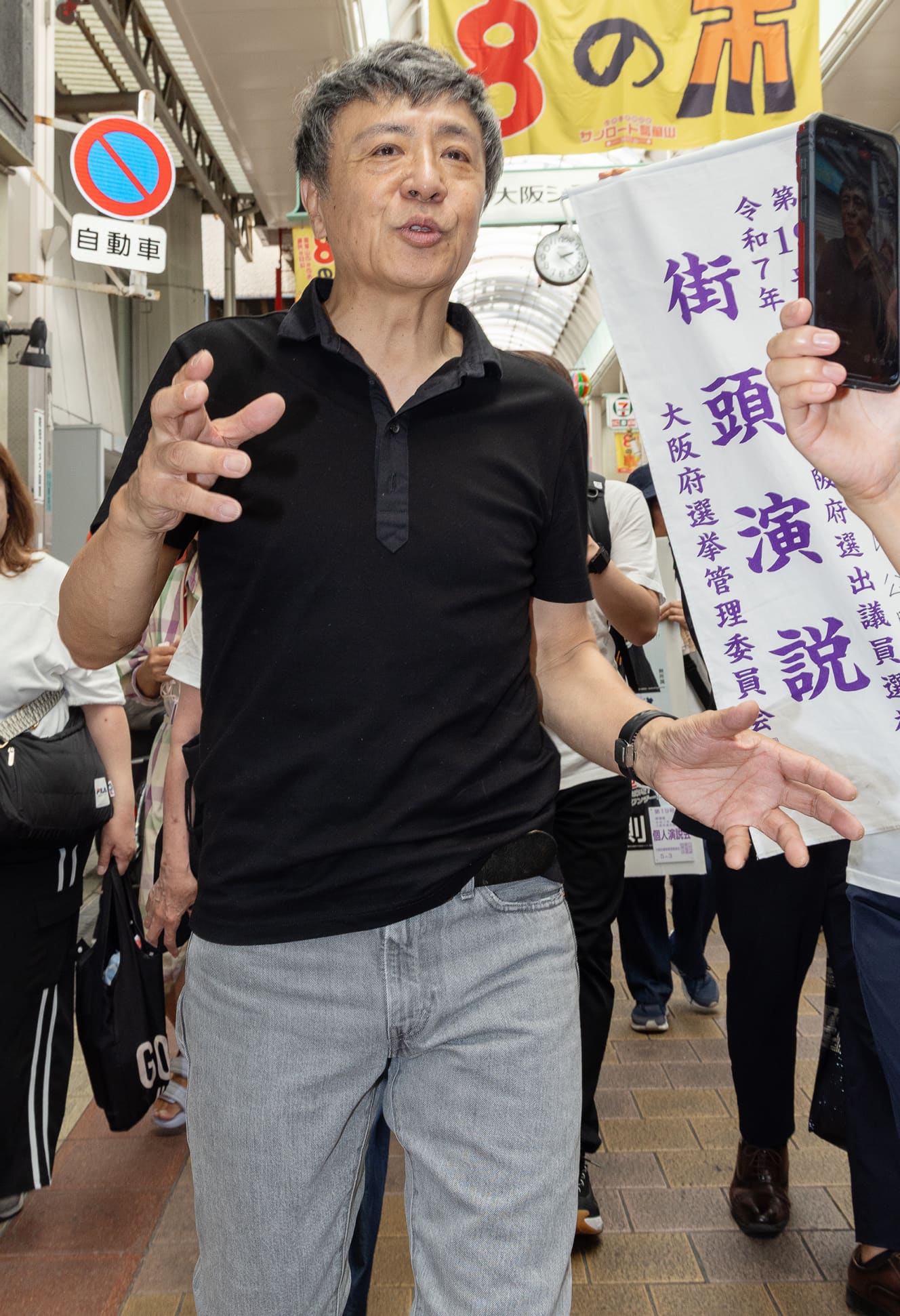
The “famous newcomers,” including Takahiro Anno, 34, inventor of “AI Anno” and leader of the Team Mirai party, who left claw marks in last year’s Tokyo gubernatorial election, LaSalle Ishii, 69, a comedian, and Haruo Kitamura, 69, a well-known personality from “Matrix Consulting” (Nippon TV), all grabbed the ticket to the Diet one after the other.
On the other hand, in the LDP, which was “three out,” there was a string of famous candidates who lost their elections.
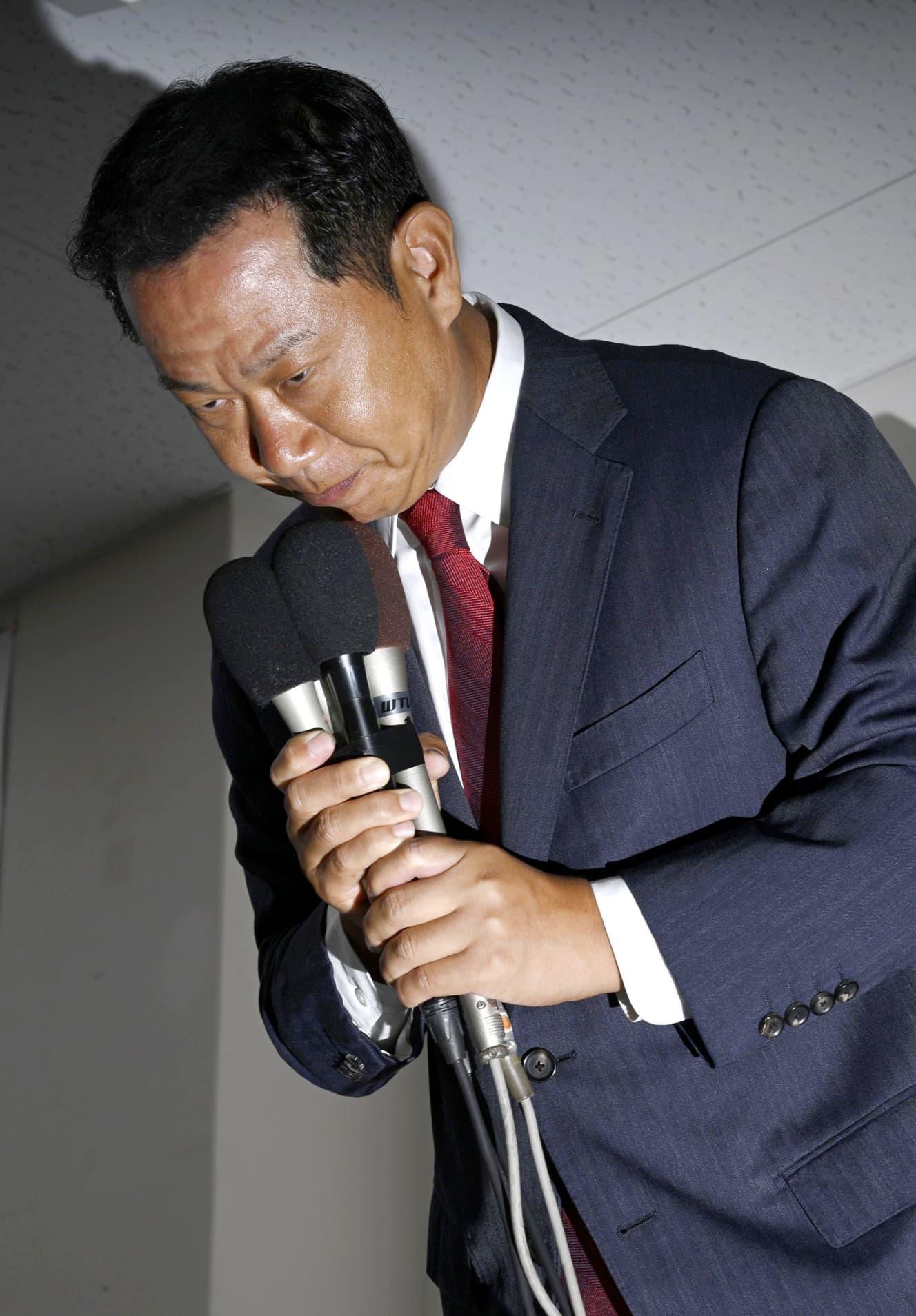
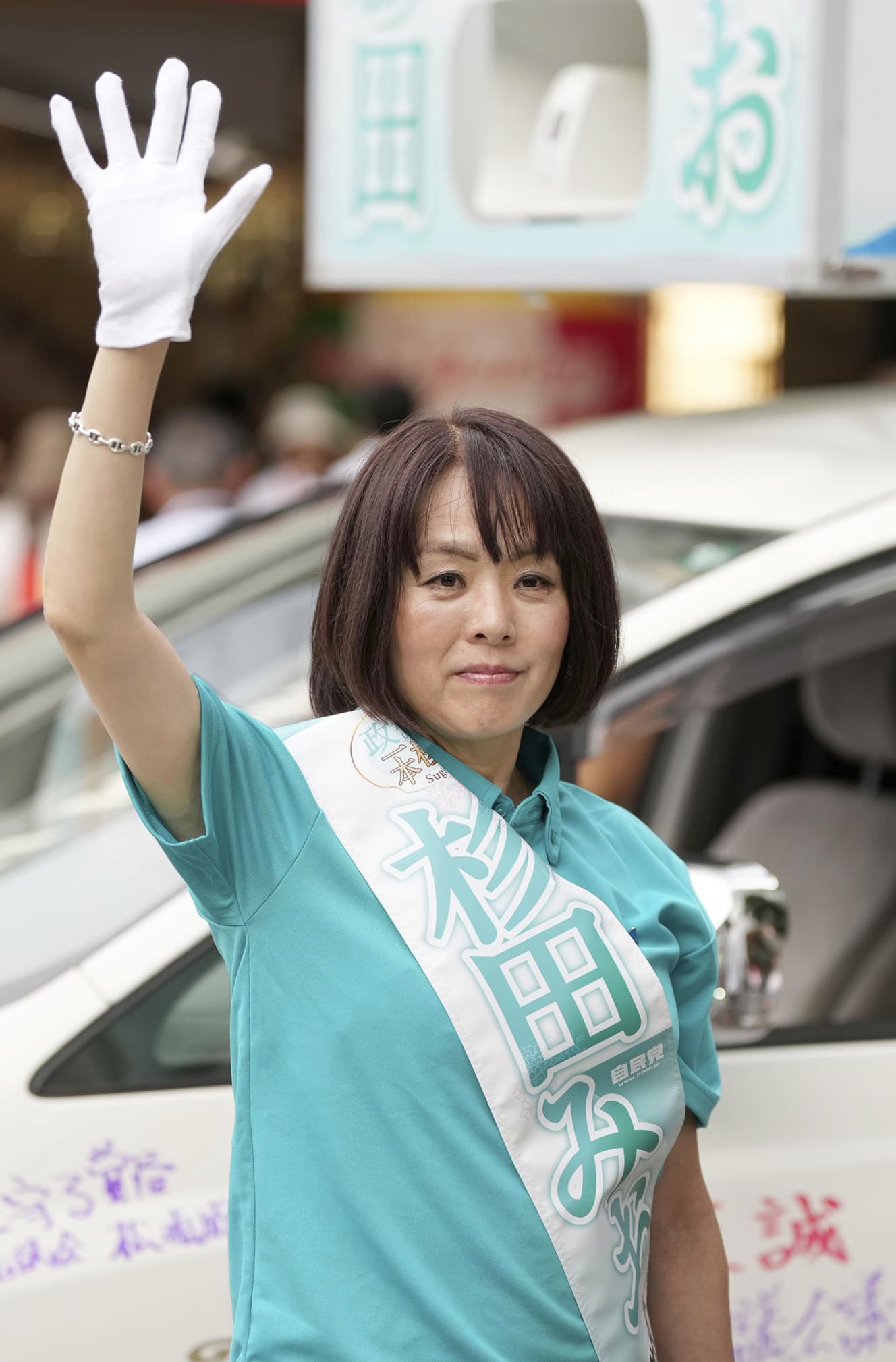
Nobuyasu Nikai (47), the third son of former Secretary General Toshihiro Nikai (86), who ran in the Wakayama election from the Wakayama constituency, Mizuna Sugita (58), who has been elected to the House of Representatives three times, and Rie Saito (41), known for her best-selling book “Writing Hostess,” also failed to gain support from voters.
The second part is here: “[Upper House Election Photo Document] Ishiba’s Government Collapses: ‘No Allies, Only Timing Remains’ “.




From the August 8-15, 2025 issue of “FRIDAY
PHOTO: Takeshi Kinugawa (Saya, Ushida, Yamao) Shinji Hasuo (Renho, Shiomura, Anno, LaSalle Ishii, Kitamura) Hiroyuki Komatsu (Saito) Kei Kato (Sera) Kyodo News (Nikai, Sugita) Jiji News (Nakata)