Supermarket Researcher Calls Local Stores Libraries of Food — Here’s What He Found Nationwide


Local supermarkets are food theme parks
When ordinary people visit tourist spots, they usually go see famous landmarks and enjoy local gourmet food. But for supermarket researcher Yoshimi Sugawara, author of “The Complete Guide to Local Foods in Japan’s 47 Prefectures” (Heibonsha), the very first destination isn’t a historic site or scenic spot—it’s a supermarket. Specifically, a cozy, locally run regional supermarket beloved by residents.
“Japan is said to have around 20,000 local supermarkets, and they’re packed with the wisdom and culture of their region—true food theme parks or even food libraries. Castles and gardens are wonderful, but for me, the local foods and souvenirs found in these supermarkets—what I call ‘gochi-shoku’ and ‘gochi-miya’—capture the region’s unique flavor and history.”
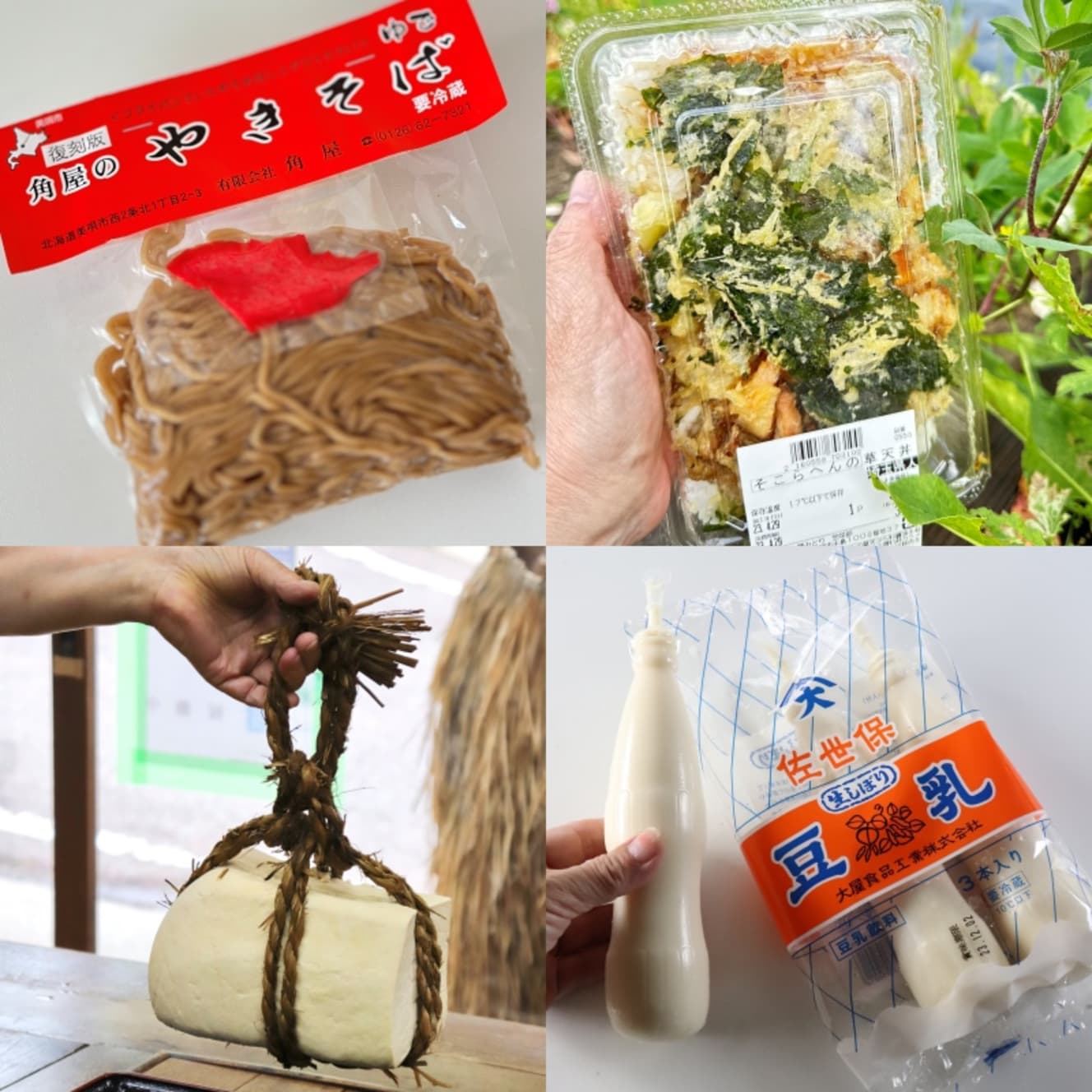
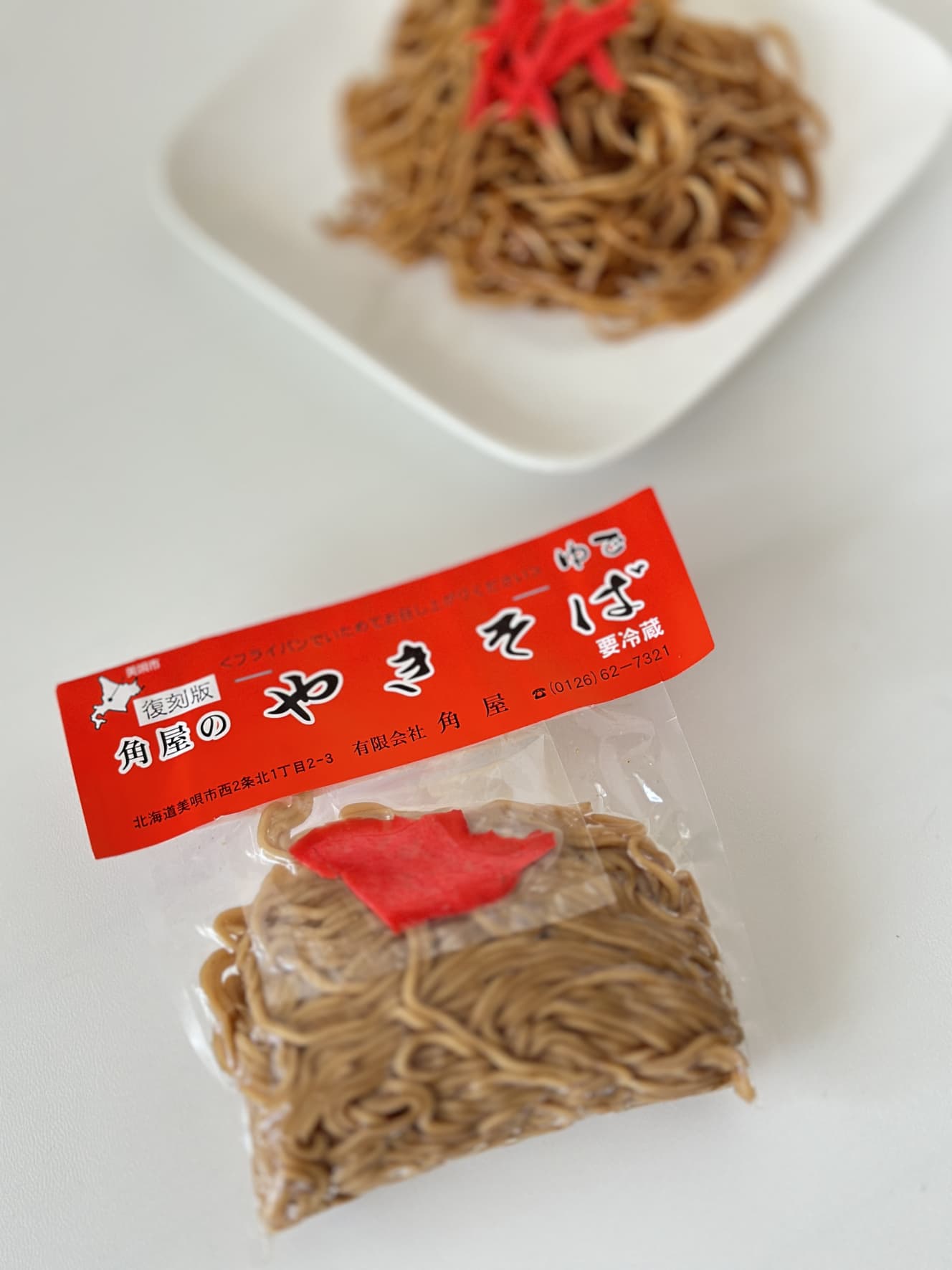
Take for example Kadoya’s Yakisoba from Bibai City, Hokkaido—a bagged fried noodle dish eaten straight without chopsticks. It originated in the Showa era, when coal miners needed a quick, one-handed meal they could eat with dirty hands. Though it disappeared after the final local mine closed in 1973, it was revived in 2005 at the request of locals. Today, while there are no miners left in Bibai, the tradition of eating it straight from the bag lives on with the saying, “Using chopsticks is cheating.” Sugawara says such regional supermarket finds offer a kind of fieldwork experience.
Indeed, touring local supermarkets is akin to ethnographic research. Sugawara even ventures into remote regions to find these foods.
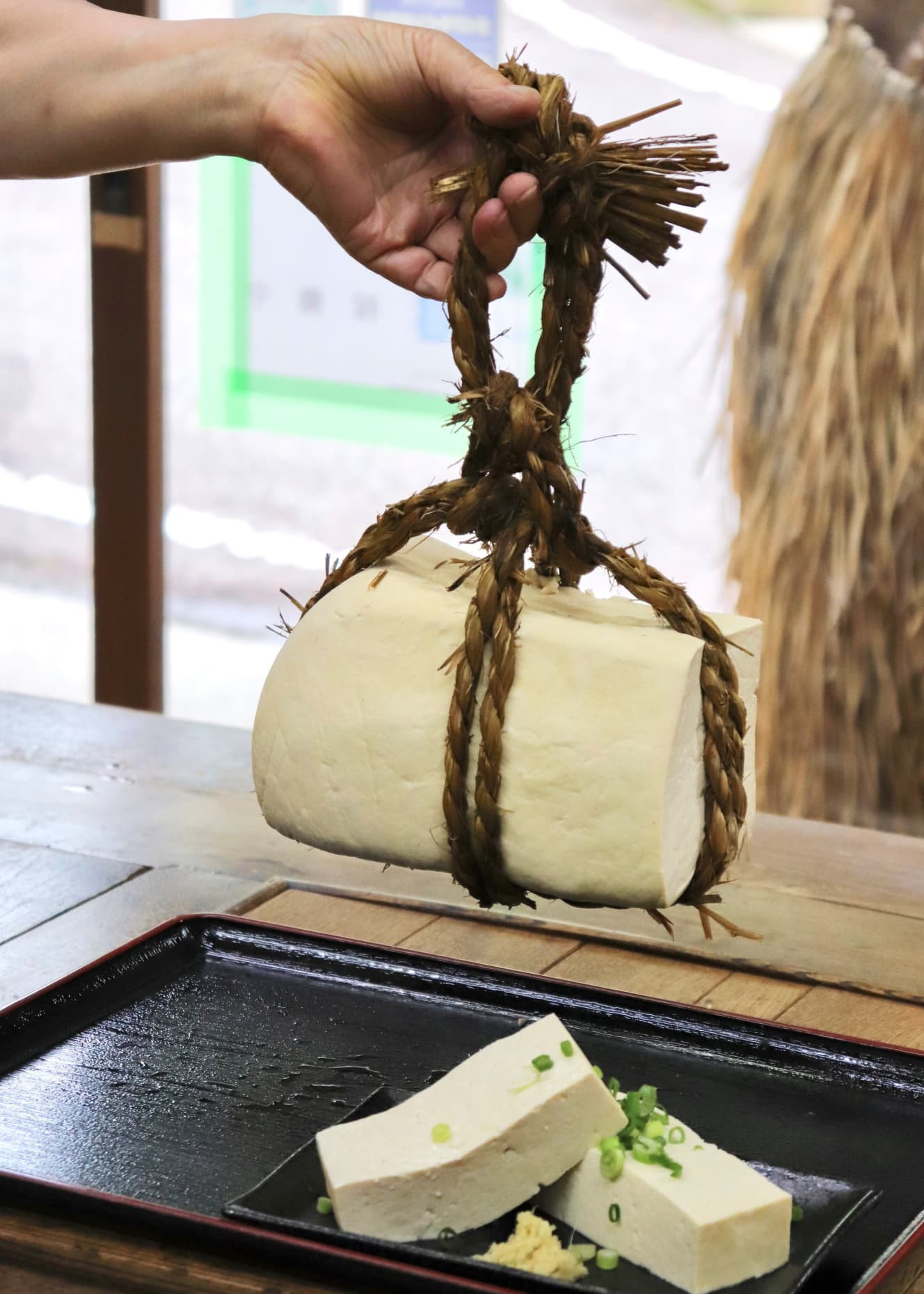
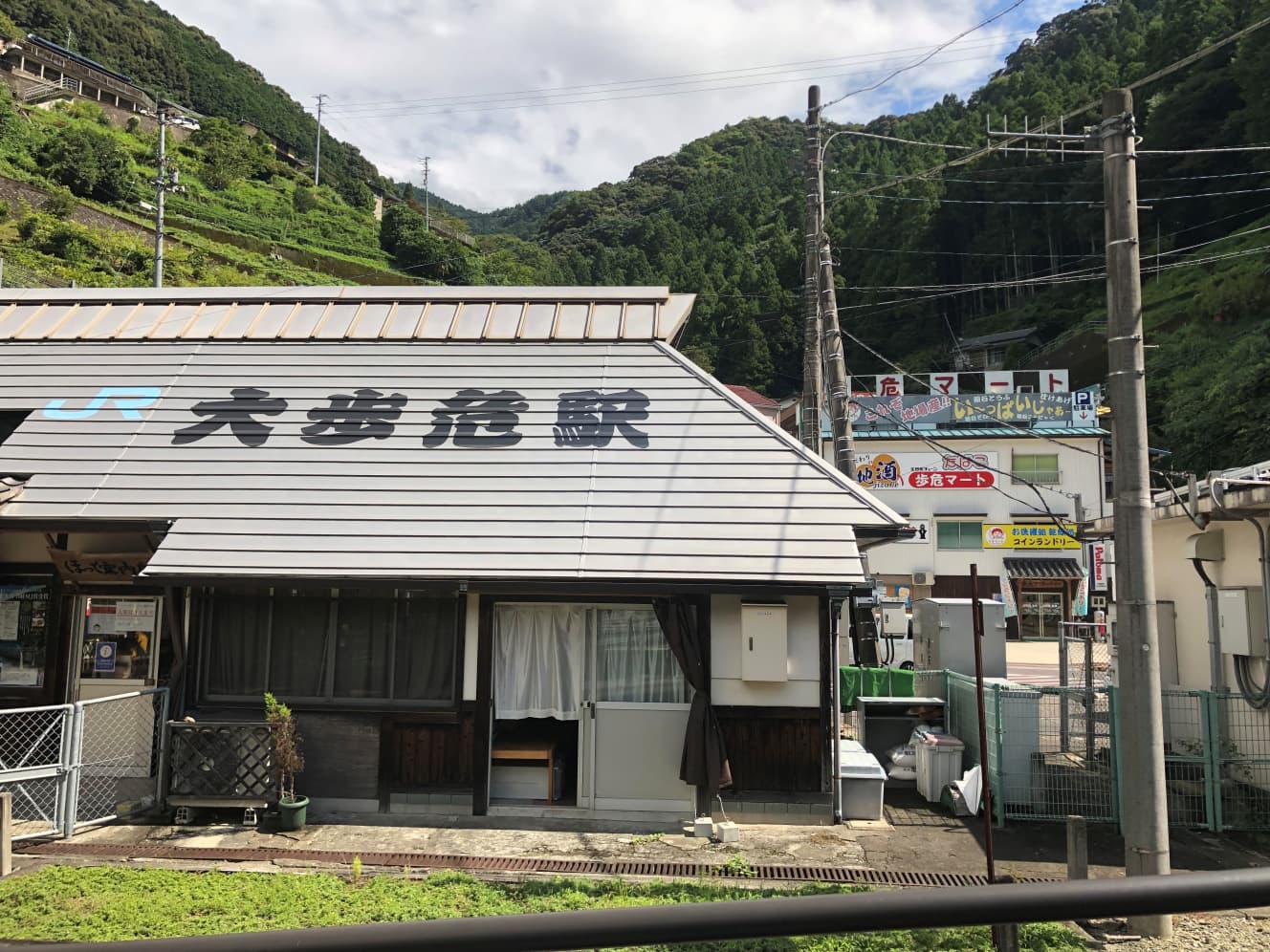
In Miyoshi City, Tokushima Prefecture, the Boke Mart supermarket near JR Oboke Station sells Iya Tofu, a uniquely firm tofu traditionally eaten in the mountainous Iya Valley—one of Japan’s three great hidden regions.
“This tofu is large and solid enough to be carried with a rope. In the steep, rice-unfriendly terrain of the Iya region, protein-rich tofu was essential. They made it firm by adding lots of coagulant (nigari) to avoid wasting precious soybeans, which also extended its shelf life. Instead of mochi, people even put Iya Tofu into their New Year’s soup. It’s a striking example of how local geography shaped an entire food culture.”
Revitalizing Regions with Weeds from Around Here
The book, which comprehensively covers deep-rooted food cultures, also highlights a miracle sparked by a family-run supermarket. In Kasukabe City, Saitama Prefecture, Midori Supermarket contributed to local revitalization through a certain prepared bento dish developed in collaboration with local merchants.
“The comedy film Fly Me to the Saitama (2019) relentlessly poked fun at Saitama, and the line ‘Just feed the people of Saitama some weeds from around there!’ became a social phenomenon. Inspired by this, Midori Supermarket’s prepared foods manager, Midori Kawachi, rebranded a healthy vegetable tempura bowl originally intended for the local community as the ‘Weeds from Around Here Tempura Bowl’ and posted it on X (formerly Twitter), where it went viral and became a new local specialty.
By blending locally grown Koshimiruki rice and using weeds from around here—vegetables like ashitaba, kale, and shungiku grown by nearby farmers—the healthy veggie bowl gained popularity on social media. Today, even inbound tourists visit the store.
Not just Midori Supermarket, but nearby businesses have joined in: a local sweets shop now makes Weeds from Around Here Rice Dumplings, and a rice cracker shop offers Weeds from Around Here Arare. These items are also sold at Midori Supermarket, and this ‘Weeds from Around Here’ marketing strategy is breathing new life into the area.”
While national supermarket chains leverage their scale to negotiate directly with manufacturers and attract customers with low prices, small local supermarkets can’t compete on price alone. Instead, they win over repeat customers with creativity and unique ideas.
“Midori Supermarket makes soup using fish scraps and whimsically calls it ‘Nazo-jiru’ (Mystery Soup), which they offer to customers. They also have a cotton candy machine available for children. These are born from a genuine merchant’s mindset: ‘We want to delight the customers who made the effort to come,’ and ‘We want people to enjoy even things that can’t be sold as products.’ By focusing on more than just price, they’ve created a wide range of unique features that give them a charm quite different from the standardized national supermarket chains.”
The viral mystery dance performance from a supermarket in Saga
The supermarket Fines TAKEDA in Imari City, Saga Prefecture, is a hidden gem known to those in the know. Run by brothers Tomofumi Takeda (President) and Atsushi Takeda (Vice President), who took over their father’s business, the store is full of homemade products like freshly prepared deli foods—but their real standout feature is, surprisingly, dance.
“In 2019, during the COVID-19 pandemic, Vice President ‘Acchan’ began performing mysterious dance routines. While dancing, he promotes deli items through parody songs, branding the store as Japan’s most fun supermarket (laughs). In 2023, a video of an elderly woman dancing along went viral.”
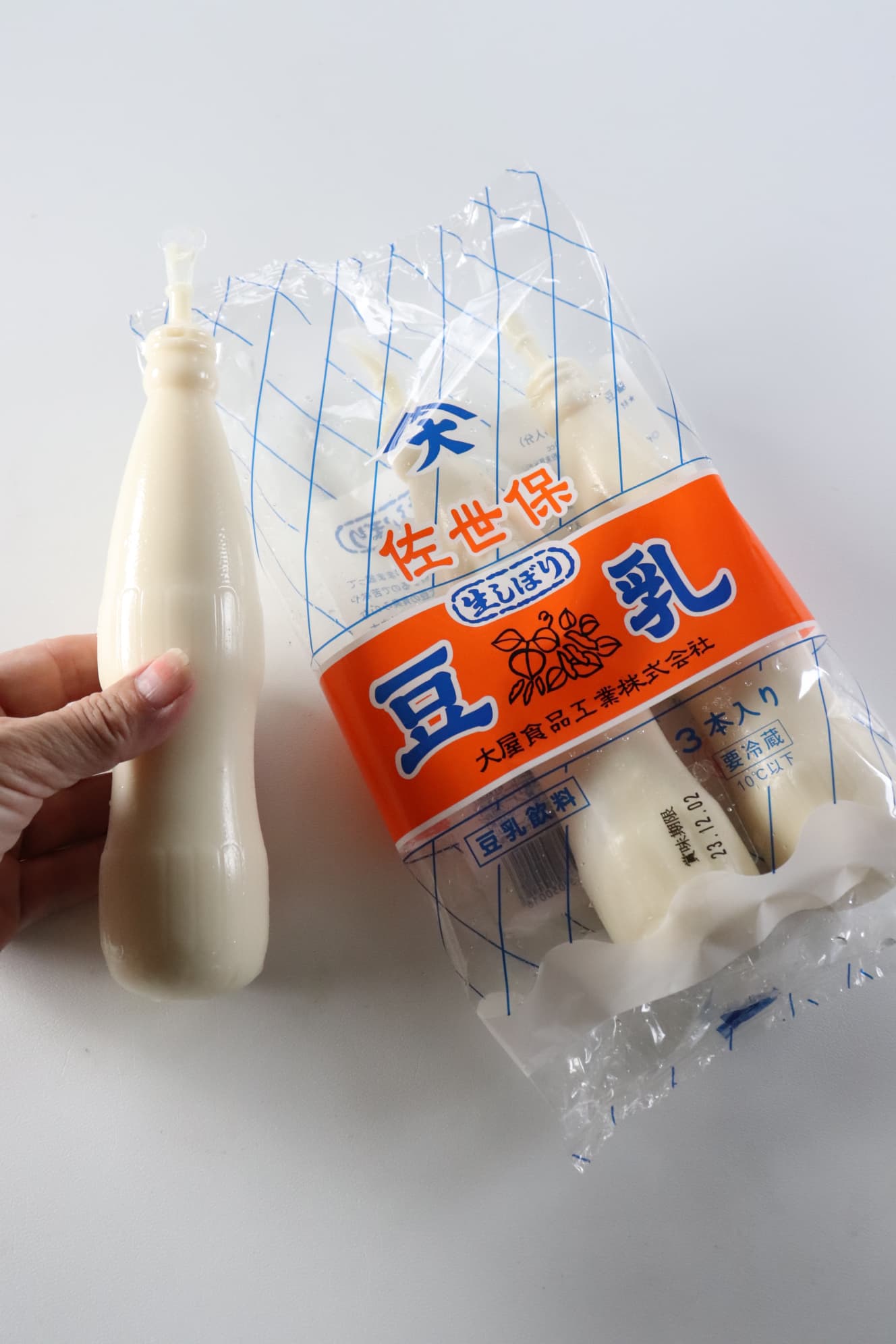
Another unique highlight is a local favorite from nearby Sasebo City in Nagasaki—Sasebo Soy Milk from Ōya Food Industries, sold in popsicle-style pouches. It’s a nostalgic soul food for the Takeda brothers, who used to bite off the bottom to drink it. Lightly sweetened with sugar, it offers a comforting flavor and even makes a tasty soy latte when mixed with coffee.
This excerpt is from the second volume of the book adaptation of the “Local Gourmet Discoveries” column that began running in Asahi Shimbun’s Saturday supplement be in April 2019. Covering articles from January 22, 2022, to January 18, 2025, author Sugawara visited all 47 prefectures, sampling and researching these unique finds firsthand.
“The book condenses three years’ worth of travel and food stories. But with around 20,000 local supermarkets across Japan and only 4,000 visited so far, my journey is far from over,” says Sugawara.
Somewhere in Japan, an undiscovered local delicacy or culinary gem may still be waiting on the shelf of a small neighborhood store.
(From “The Complete Guide to Local Foods in Japan’s 47 Prefectures”)
(From “The Complete Guide to Local Foods in Japan’s 47 Prefectures”)

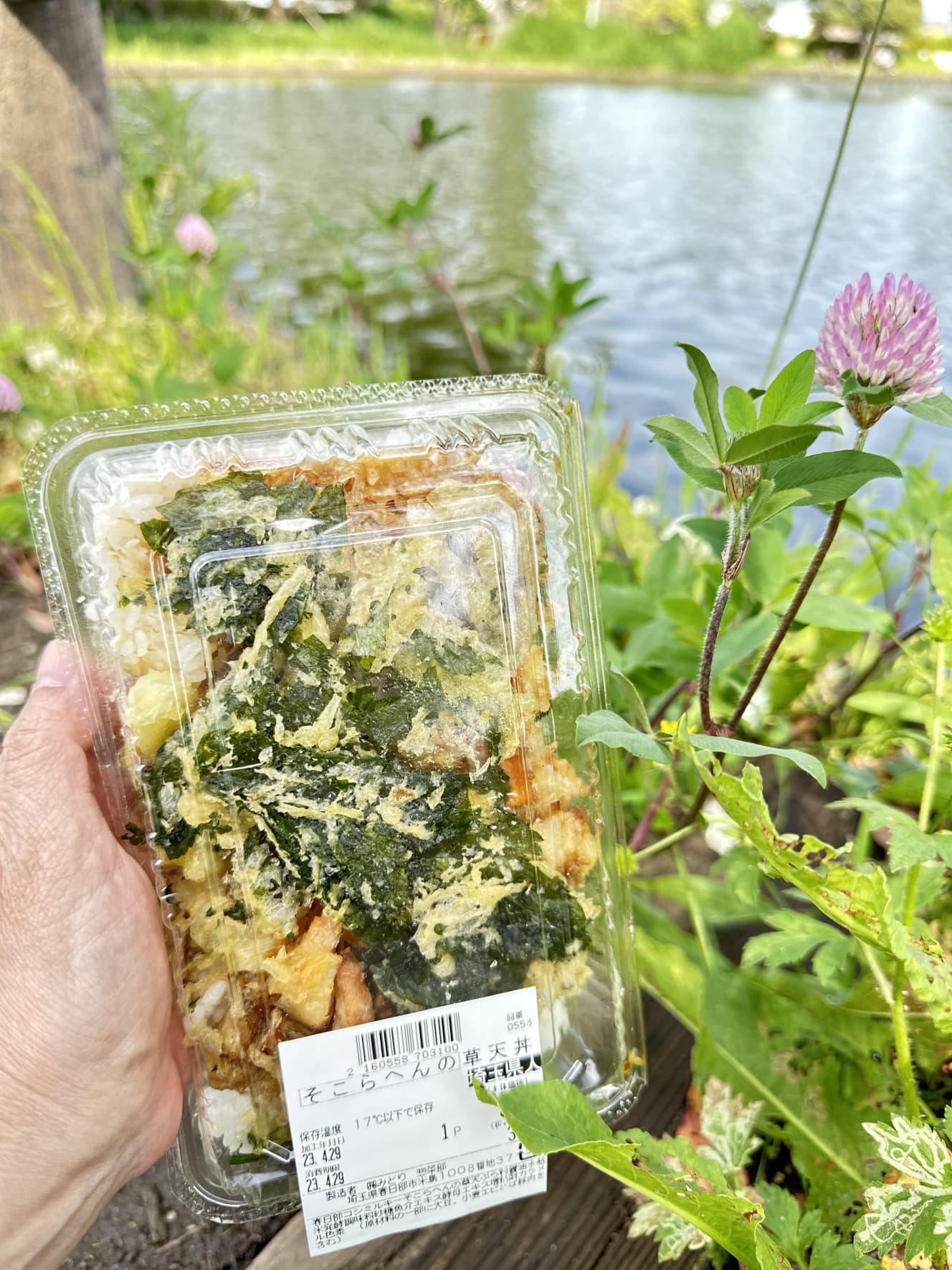 The popular deli bento “Sokora Hen no Kusa Tendon” (“Random Grass Tempura Bowl”), originated at “Midori Super” in Kasukabe City, Saitama Prefecture. The random grass includes ashitaba, garland chrysanthemum, and kale. (From “The Complete Guide to Local Foods in Japan’s 47 Prefectures”)
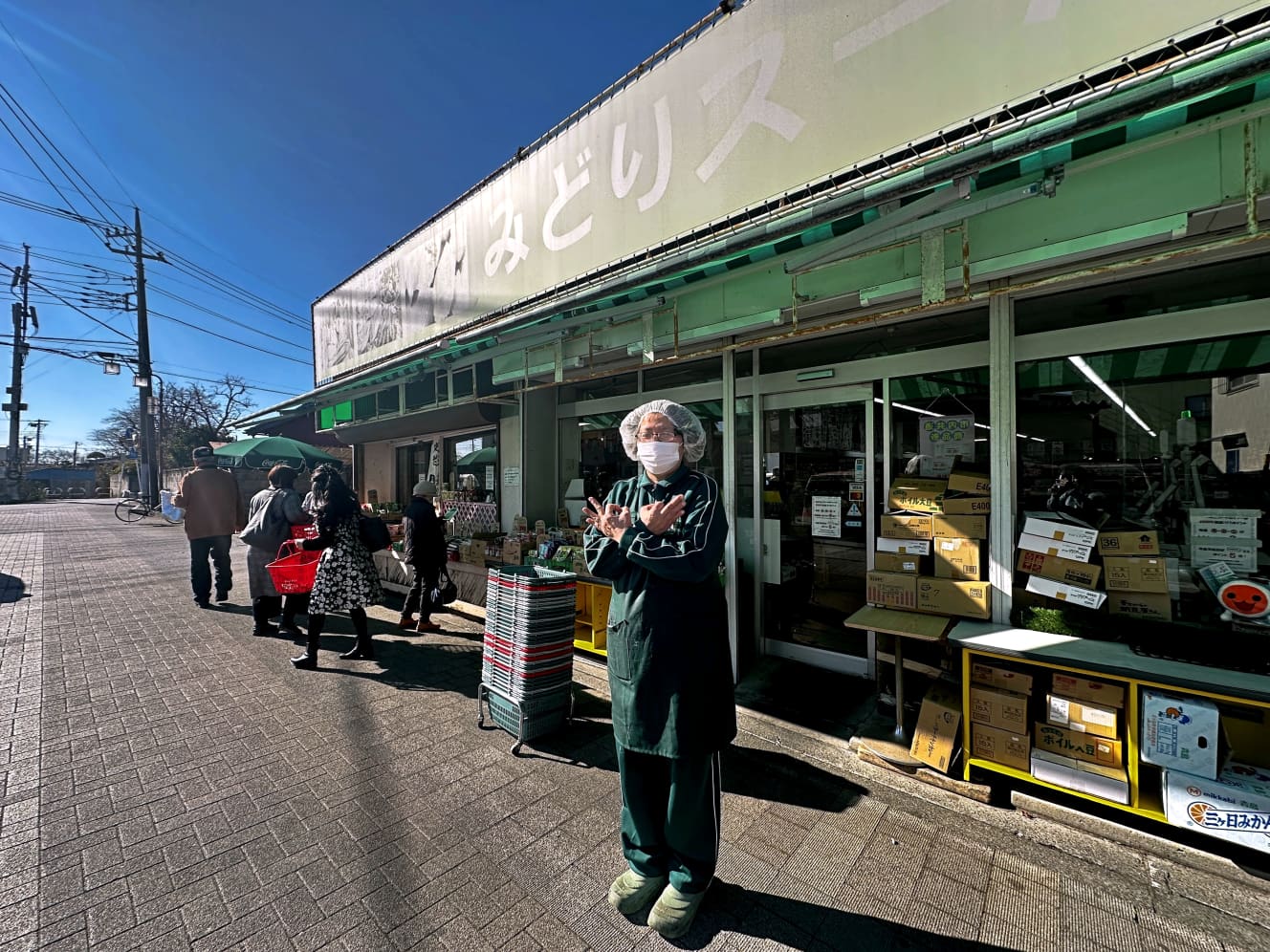 Midori Super’s Midori Kawauchi. posing with the famous Saitama pose from Fly Me to the Saitama. (Photo courtesy of Sugawara)
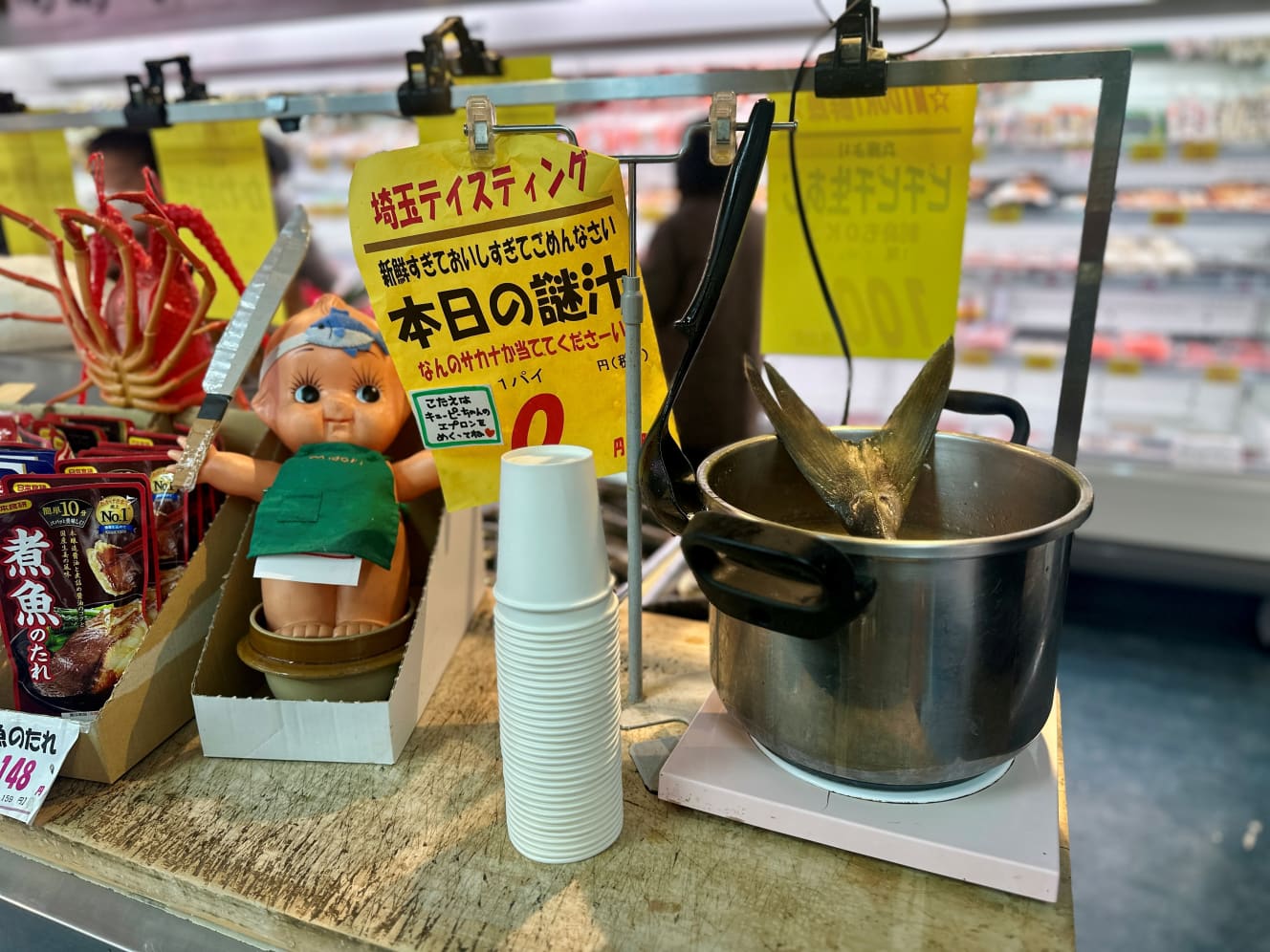 Midori Super is also known for its fresh fish section and serves free “Nazo-jiru” (“Mystery Soup”) made from fish scraps. (Photo courtesy of Sugawara)
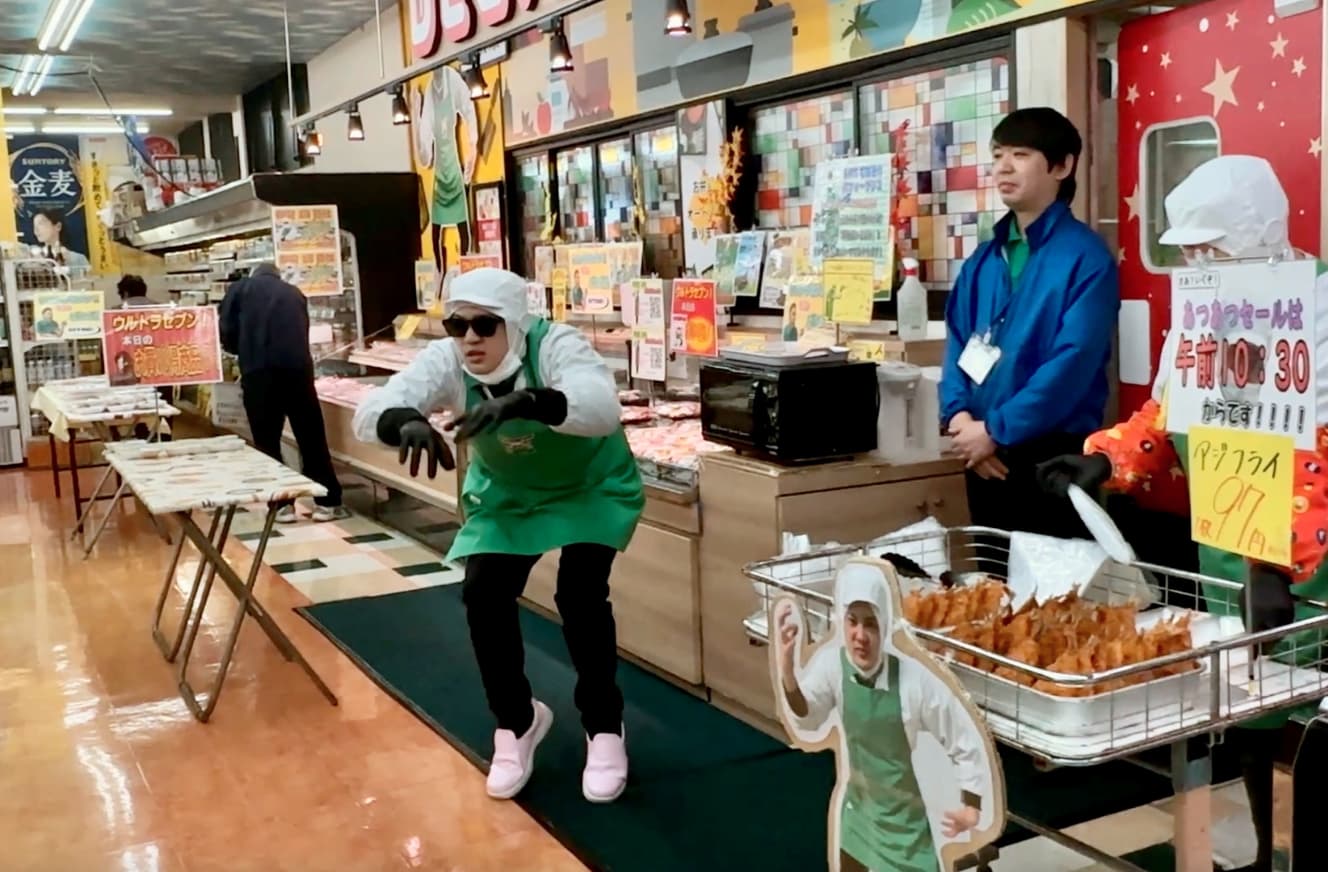 A signature attraction at “Fines TAKEDA” in Imari City, Saga Prefecture, is the mysterious dancing of Vice President Atsushi “Acchan” Takeda. On the right is President Tomofumi Takeda. (Photo courtesy of Sugawara)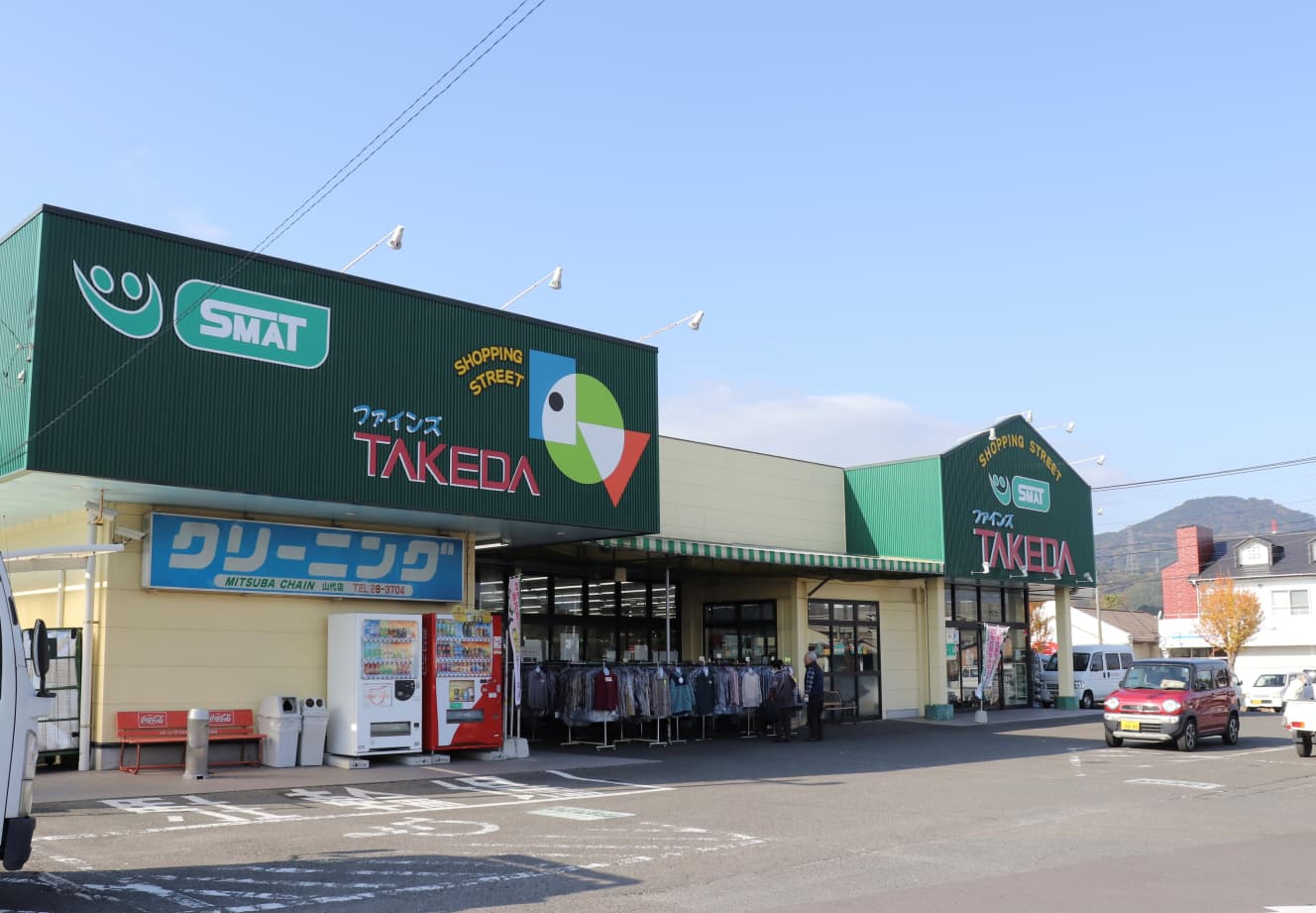


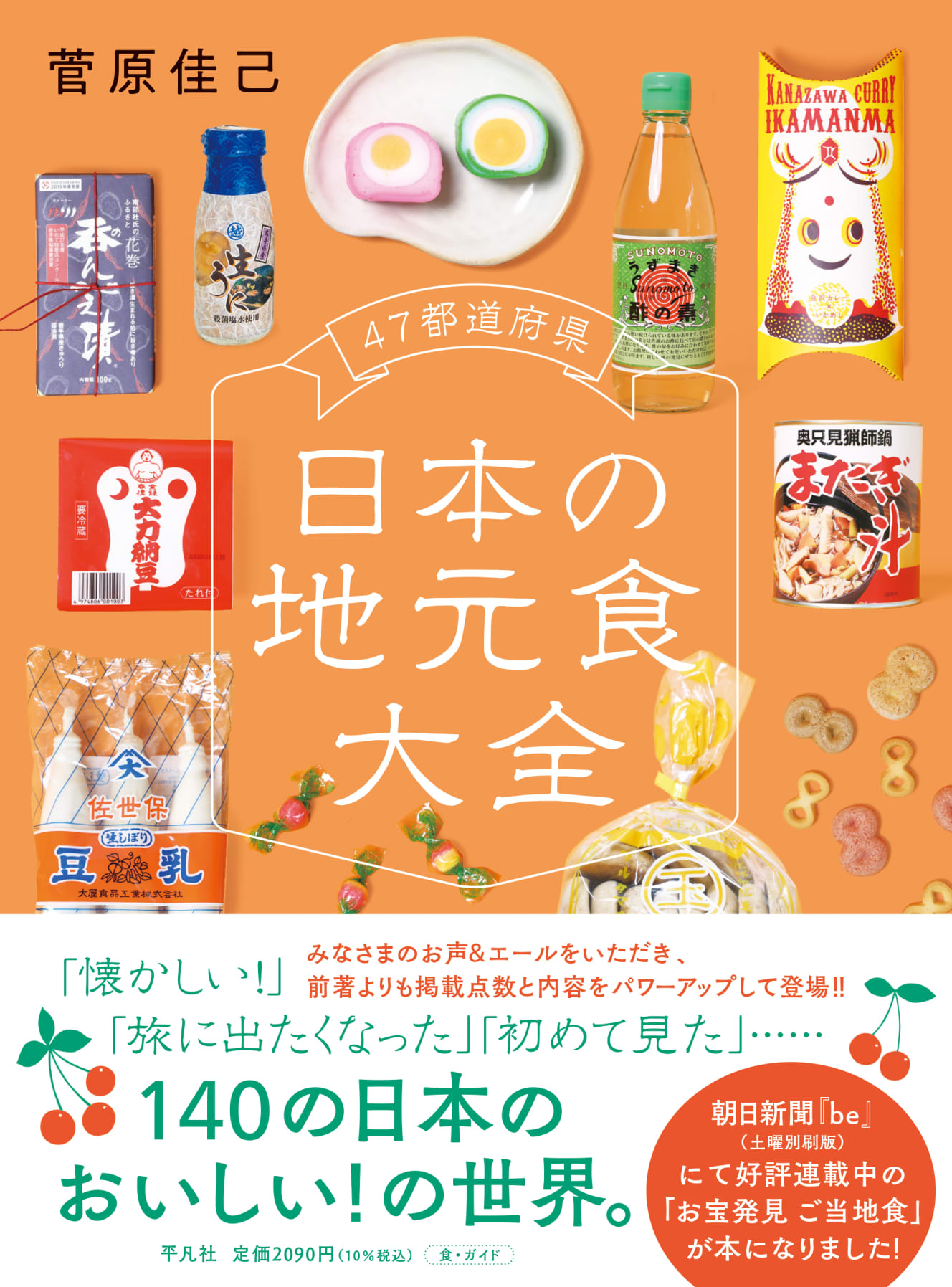
“The Complete Guide to Local Foods in Japan’s 47 Prefectures” by Yoshimi Sugawara / Heibonsha