Affordable prices, hands-on experience, and plenty of space to eat and drink… Interesting “Corporate Museums and Art Museums” are the best places to visit this summer!


In the midst of hot and humid weather and high prices of living on a budget, people want to enjoy leisure time such as summer vacation for a change of pace. While theme parks and other entertainment facilities are expensive to use, museums and art galleries are affordable, easy to use, and fun to learn about. In particular, many museums operated primarily for PR purposes by corporations offer free or low-cost admission, as well as a wide variety of hands-on activities and food and beverage areas, making them enjoyable for families with children.
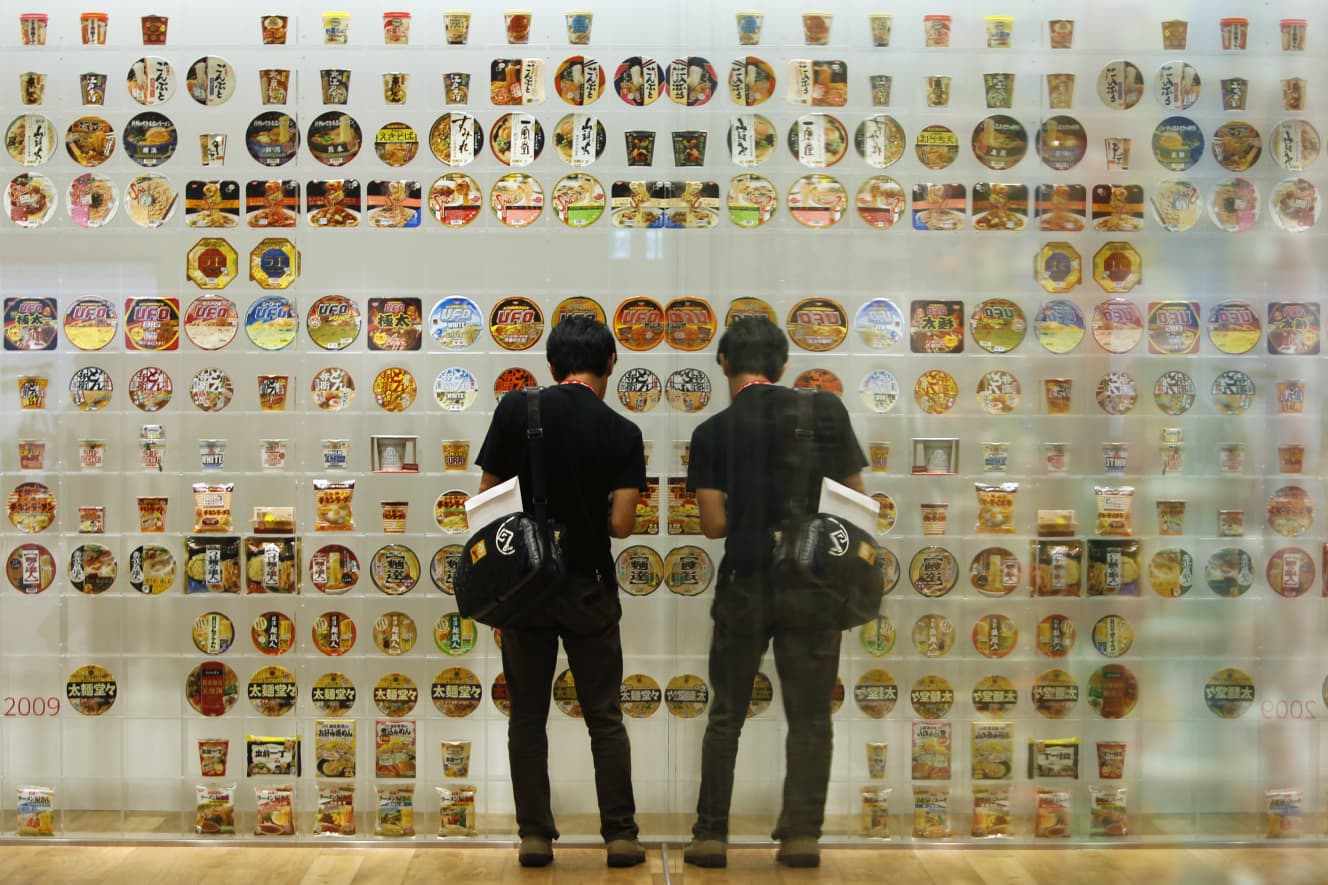
Japan’s leading global company…your very own “Cup Noodles” and the origin of “Toyota
Instant ramen is said to have changed food culture not only in Japan but around the world. The Cup Noodle Museum is also home to the “Momofuku Ando Invention Museum,” a hands-on food education facility named after the inventor and founder of Nissin Foods. The museum is located in Osaka (Ikeda City, Osaka Prefecture) and Yokohama (Yokohama City, Kanagawa Prefecture).
The museum has a workshop where visitors can make their own “Cup Noodle” by selecting four types of soup, four toppings from a list of 12 ingredients, and even design their own cup. According to the official website, admission to the museum is free, and the handmade workshop costs 500 yen per meal (including tax) and takes about 45 minutes to complete.
The Cupnoodles Museum has a variety of exhibits and attractions, including a workshop where visitors can make the world’s first instant ramen “Chicken Ramen” by hand. There is also a workshop where visitors can make their own Chicken Ramen, the world’s first instant ramen, and a space where visitors can learn about the secret story behind the invention of Chicken Ramen and how it is consumed around the world.

The Toyota Commemorative Museum of Industry and Technology (Nagoya City, Aichi Prefecture) is operated by a company in the Toyota Motor Corporation group, which has become a world-class corporation. According to the official website, the number of visitors to the museum last year exceeded 430,000. Admission fees include 1,000 yen for adults and 200 yen for elementary school students. The museum is said to have used the location and building of the test factory where the founder conducted research and development of weaving machines.
The museum has various sections that trace the development of the textile industry, and there are also metalworking demonstrations. The Automobile Museum displays a variety of cars, including vintage cars, and offers visitors the opportunity to learn about production technology. There is also a restaurant and a library, so visitors can enjoy themselves in any way they like.


Hakone, Sapporo… Add artistic memories to your stay in sightseeing spots
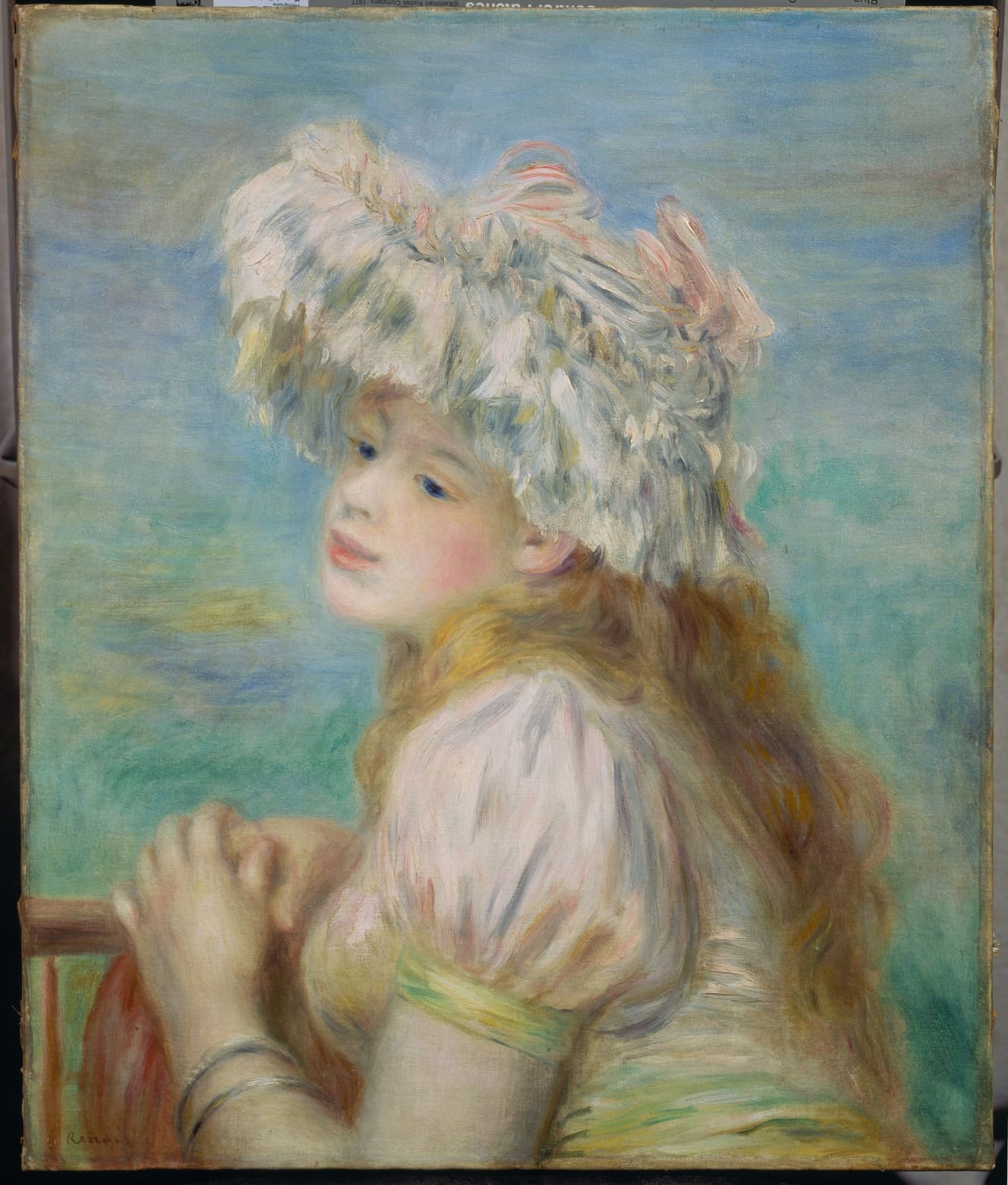
Hakone, one of Japan’s leading tourist resorts, is home to the POLA ART MUSEUM (Hakone-cho, Kanagawa Prefecture). According to the official website, the museum exhibits Western and Japanese-style paintings, porcelain, glass crafts, and other items collected by the second generation of the founding family of POLA, a well-known cosmetics manufacturer. The building is said to blend in with the Hakone forest.
The POLA Museum of Art also has a restaurant/cafe and a museum store, where visitors can spend a relaxing time. Admission is 2200 yen for adults and free for junior high school students and younger. A free shuttle bus service is available from Gora Station.

The Sapporo Beer Museum is located in Sapporo City, Hokkaido, where visitors can learn about the history of beer brewing since the Meiji Era, when Hokkaido was first settled. The Sapporo Beer Garden also has several restaurants and beer gardens, including one where you can enjoy Genghis Khan cuisine.
According to the Sapporo Beer Museum’s official website, free tours are free, and there are several paid tours that require reservations. For example, the premium tour costs 1,000 yen for adults, etc. and takes about 50 minutes, including beer tasting.

Some corporate museums showcase the works of art collected by the founders of companies that made huge fortunes as their hobbies. The Artizon Museum of Art, named after the founder of Bridgestone (Kyobashi, Chuo-ku, Tokyo), the Ohara Museum of Art (Kurashiki, Okayama), named after the founder’s success in the spinning industry, and the Ueshima Art Museum (Shibuya, Tokyo), which exhibits the contemporary art collection of a successful entrepreneur and investor, are among the most recent additions.
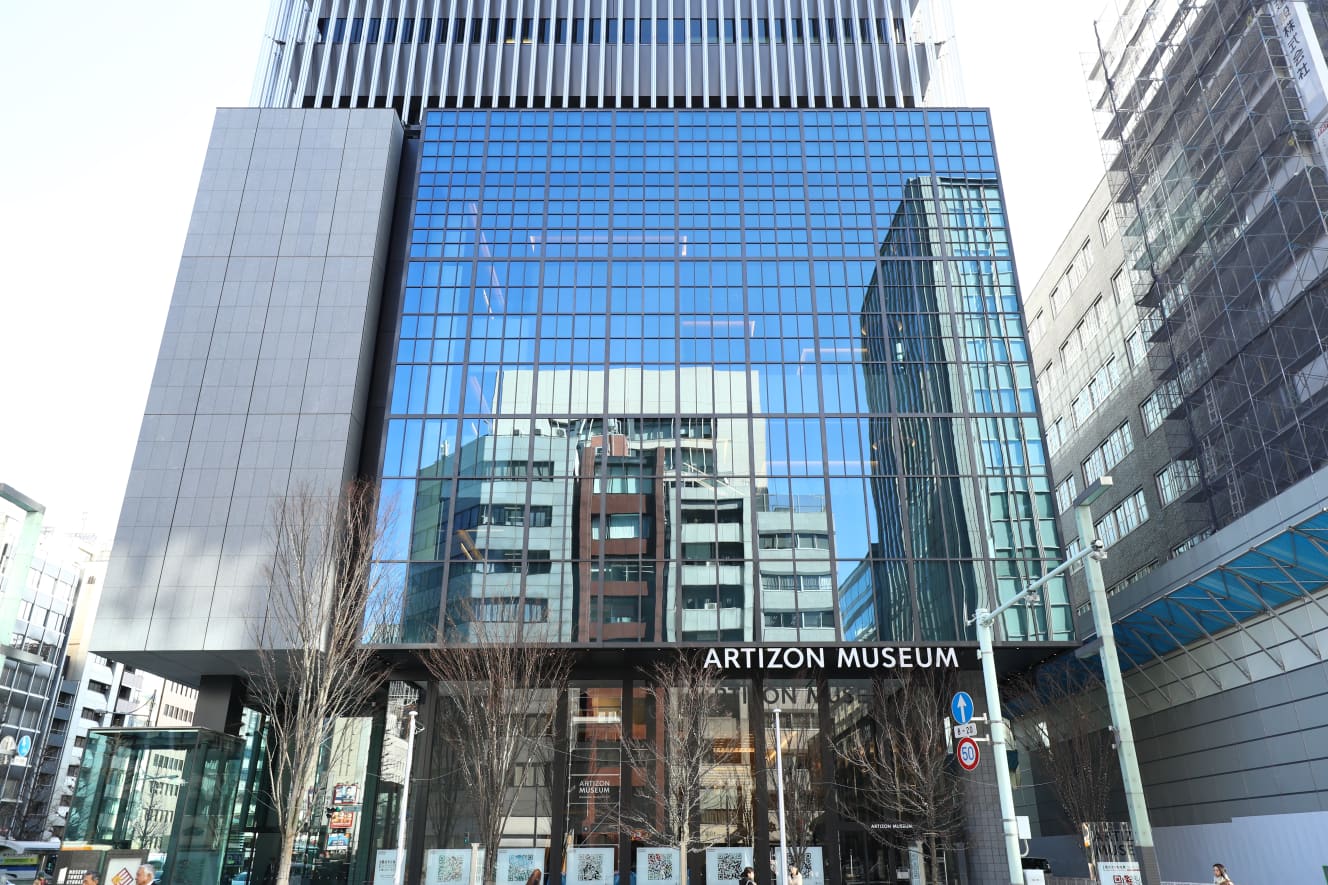
Attention is also paid to ancillary services such as food, beverage, and merchandise sales, which are different from those at national and public art museums.
Hironori Hirai, a professor of economics and business administration at Wako University and an expert on museum management, commented on these corporate art museums as follows.
Corporate art museums that offer high-quality supplementary services such as food, beverage, and merchandise sales, based on their extensive collections, are highly regarded in the industry. Such museums are also considered in terms of governance, as they are incorporated as foundations to maintain a certain distance from their parent companies.
Since a company is involved in the establishment of a museum, it is natural that the company expects the museum to contribute to its core business by increasing sales of its products and services and raising its name recognition, etc. However, if the museum is operated as a foundation, it is said to have a certain distance from the core business of the company.
On the other hand, many corporate museums strongly promote their products and services, such as PR facilities for factory tours. Professor Hirai says, “A museum must be equipped with the basic functions of collection and preservation, research and study, and exhibition education. In this respect, there are many museums that can hardly be called museums,” he said, adding that academic research on corporate museums is lagging behind.
Nevertheless, they do provide a variety of learning opportunities for visitors, such as tours of beer breweries, where visitors can learn about the history and brewing techniques of the brewery.
As for corporate museums.
“It has a unique collection and flexibility that is not bound by public boundaries. There is a sense of anticipation that unique museums will be created in the future to keep up with the times,” said Professor Hirai.
When visiting such facilities, be sure to check the official website or contact the museum by phone to confirm in advance the opening date and time, whether there is an admission fee, whether advance reservations are required, transportation access, parking, and precautions such as attire and baggage. In particular, when touring food and other factories with strict hygiene controls, it is advisable to avoid inappropriate clothing and footwear to ensure a pleasant visit.

Interview and text by: Hideki Asai PHOTO: Afro