One Year After “Missing Persons Exhibition” Drew 100,000 Visitors, Horror Writer Nashi


It has been one year since the “Missing” exhibition, which recorded over 100,000 visitors and became a social phenomenon among young people.
We interviewed Mr. Nashi, a horror writer, and Mr. Tokio Omori of TV Tokyo directly about the aim of the successor “Fear Exhibition” (held at BEAM Gallery in Shibuya, Tokyo from July 18 (Fri.) to August 31 (Sun.), 2010).
Each of us has our own personal “something they just don’t like”
— To get straight to it, why did you choose “fear” as the theme?
Ōmori: “Tonkabō (Seitaro) from Yami Inc., who launched the project with me, said, ‘These days, more and more people are casually using the word phobia.’ For example, someone might claim to have acrophobia just because they’re a bit uncomfortable with heights.”
Nashi: “Talking about what you’re afraid of has become one way to express your identity. That’s why, when people talk about their phobias, even though they make disgusted faces, they seem full of life. I started wondering, ‘What kind of psychology is that?’ and found it intriguing.”
Ōmori: “With emotions like joy, anger, sadness, and happiness, you can usually find some common ground among most people. But what makes someone anxious or what triggers fear varies so much from person to person that it’s hard to generalize.
Take, for example, those who feel uncomfortable being looked at by others—so much so that even posters or photos that seem to stare at them feel terrifying. That’s what’s called ‘scopophobia.’ But I’m sure there are plenty of people who can’t relate to that fear at all.
Everyone probably has their own ‘something that just feels off,’ rooted in past experiences or their personal biology. The idea to try and comprehensively gather that kind of feeling was the starting point for this project.”
“I hope it will provide hints for healthy living in today’s society.”
Nashi: “Don’t you think it would be interesting if, by seeing various phobias displayed all in one place, people realized, ‘Ah, this is what I’ve been afraid of all along’?
For example, if someone riding in a taxi suddenly becomes aware for the first time that they have claustrophobia, they might panic and feel they have to stop the car and jump out immediately. But if they can realize at the Fear Exhibition that they have a fear of small or enclosed spaces, they might be able to protect themselves in the future.
I hope the Fear Exhibition can serve like a kind of life drill or safety training.”
Ōmori: “Phobias like fear of heights or enclosed spaces are relatively easy to identify, but there are also more modern fears—like FOMO (Fear Of Missing Out).
It’s the fear that ‘everyone else is having fun and I’m the only one left out,’ something born out of social media. If you don’t even know the term, you might not recognize it as a fear, and that lack of awareness can lead you to suffer without understanding why.
That’s why I hope this Fear Exhibition helps people realize that the unease they’re carrying actually has a name—so it can offer a hint for how to live more healthily in today’s society.”
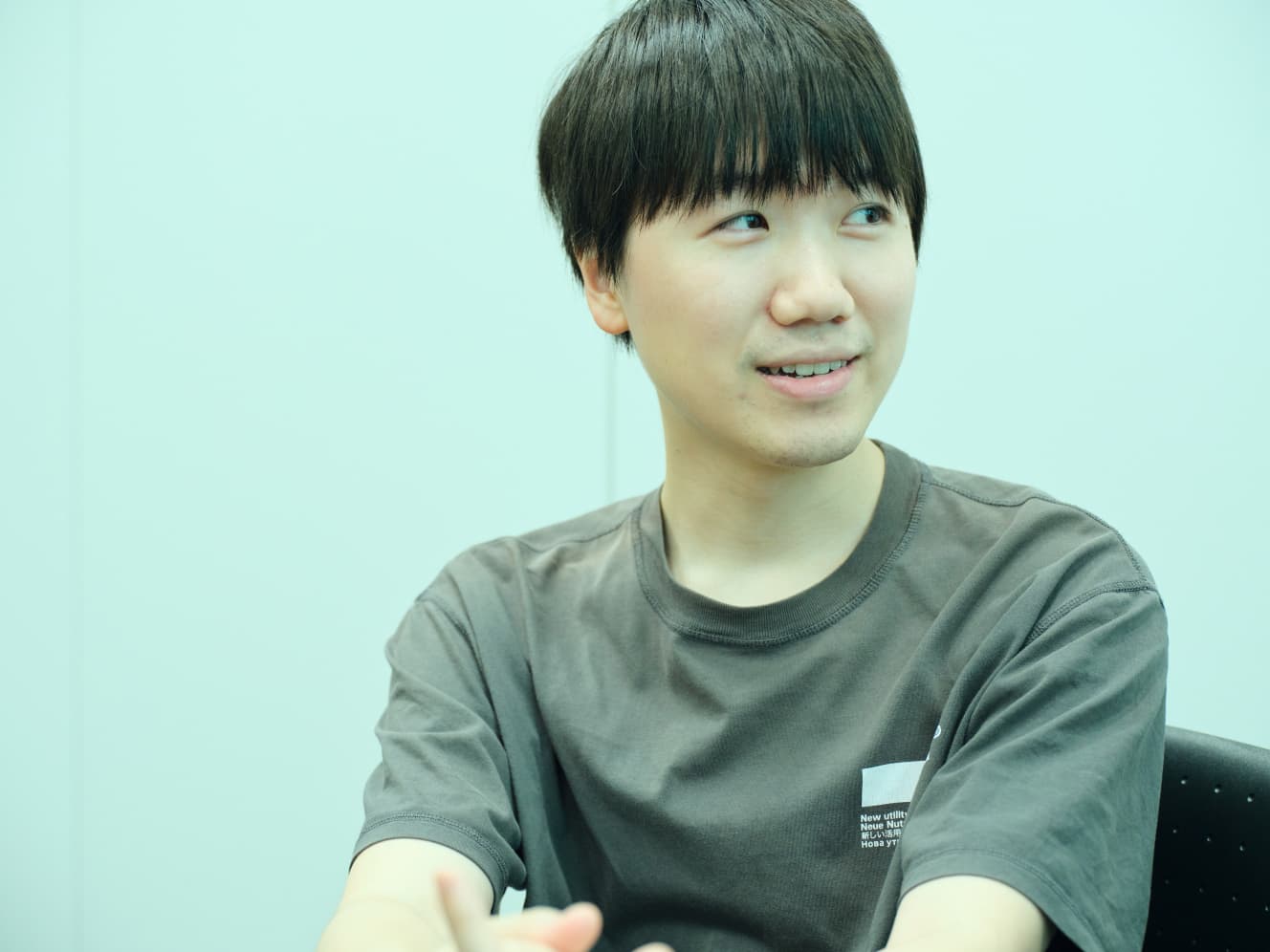

You may be surprised at how little you know about what scares your partner.
— So it’s a chance to discover hidden “phobias” of your partner, family, or friends?
Ōmori: “Exactly. You often come to understand what makes someone angry or happy the more time you spend with them, but I feel like what they’re afraid of tends to remain unknown. Sure, you might know they’re scared of bugs or haunted houses or horror movies, but how often do you get to find out that someone fears clusters or being watched?
I think it would be fun to visit the exhibition with my wife too. Even with family or those you think you know well, fear might be that final frontier—something you rarely get to see.”
Nashi: “I also have a few people I’d be curious to bring, just to see how they’d react. When I was working part-time as a cram school tutor, I loved watching those students who, like me back in school, didn’t have that shiny, picture-perfect youth but were giggling over horror threads on ‘2channel.’
They used to share ‘lotus collage images’—symbols of trypophobia—and made plans to go to haunted houses together. I can’t help but wonder what kind of conversations would unfold if they came to the Fear Exhibition. During the run, I’d love to sneak around pretending to be staff, eavesdropping on couples’ conversations.”
— Pretending? Nashi-san, I think it’s safe to say you are legitimate staff! (laughs) But yes, it really does seem like going together to the Fear Exhibition could deepen family bonds or friendships.
The “Fear Exhibition” will be held at BEAM Gallery in Shibuya, Tokyo from July 18 (Fri.) to August 31 (Sun.).
Check the official website for ticket information and other details.

Interview and text: Momo Tachibana PHOTO: Hideaki Ichikawa