U-dai Iwasaki Reveals the Comedy That Filled a Void in Him


After winning the 2013 “King of Conte” (KOC), U-dai Iwasaki (46) of Kamomental launched the theater troupe “Gekidan Kamomental.” Through many ups and downs, he has earned high acclaim across genres—from sketch comedy and theater to TV drama and manga. What path has this mad genius walked?
With the finals of Double Impact: The Ultimate Battle of Manzai & Conte just around the corner, we sat down with him to discuss his thoughts on the competition and what first inspired him to become a comedian.
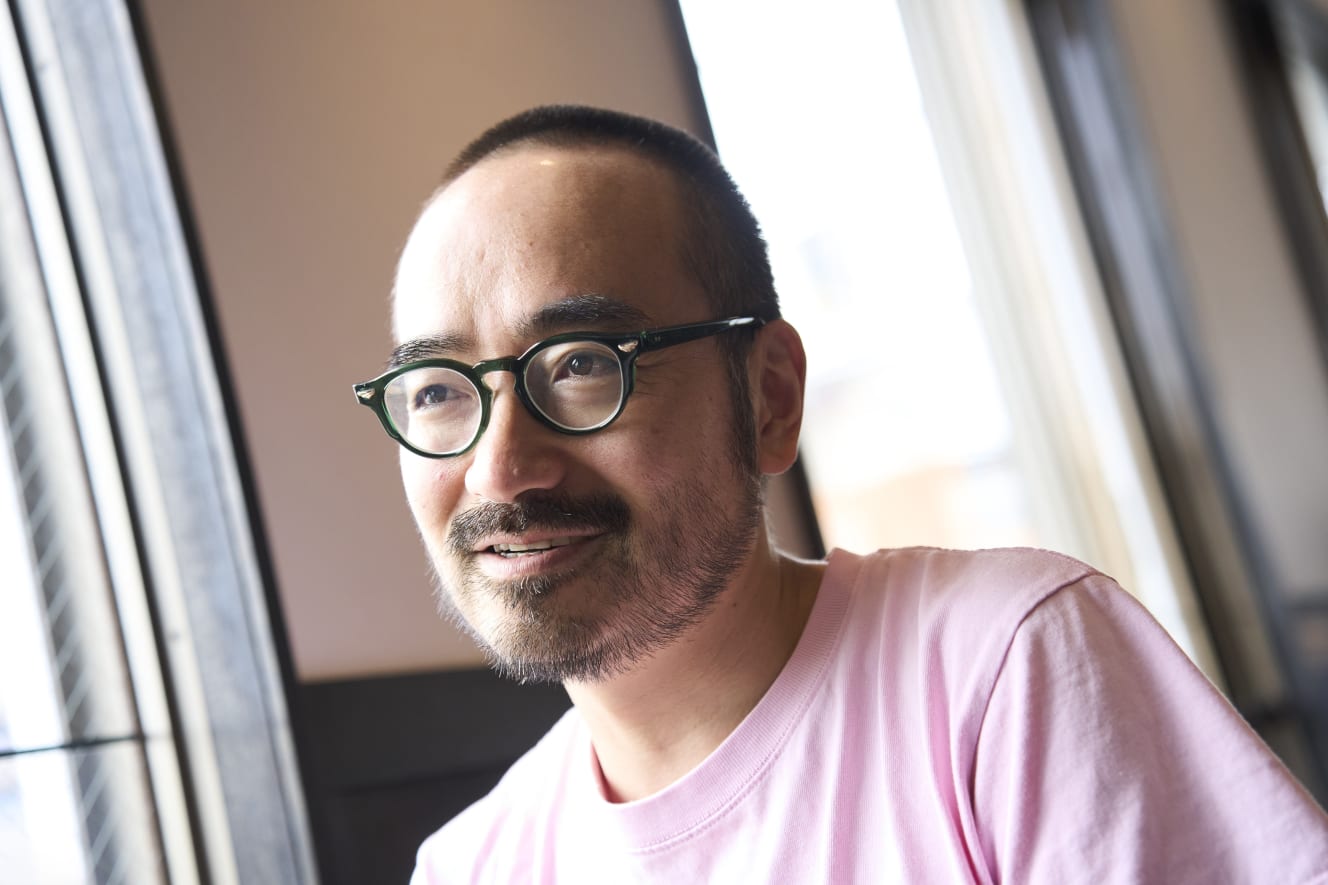
I felt like, even if I lost my job as a judge, it wouldn’t really bother me
—Congratulations on making it to the finals of Double Impact! It’s quite rare for someone to serve as a judge in competitions like the ABC Comedy Grand Prix while also participating in contests themselves, isn’t it?
U-dai: I think I probably got the judging gigs thanks to a KOC (King of Conte) review I posted on note (a platform where users can sell articles) in 2019. It got unexpectedly popular and eventually led to the Shikujiri Sensei: Don’t Be Like Me!! segment “King of U-dai” that started in 2020. So, judging sort of came out of that chain of events.
Since I was commenting on and reviewing competitions, I felt it only made sense to give it a shot myself if the opportunity came up. I also really wanted to stand in a place where I’d be exposed to the same pressure, so I entered without hesitation. On top of that, Double Impact—which launched this year—is a contest for both manzai and conte.
We started doing manzai a few years ago, so it felt like the perfect kind of competition for us to take on. Plus, I was excited by the unpredictability of who would show up. I thought, “Alright, time to finally enter.” And even if I didn’t get results and lost my judging gigs, I was kind of like, “That’s fine too.”
—Did you feel like you were hitting your stride during the rounds leading up to the finals?
U-dai: We went through four rounds—first, second, quarterfinals, and semifinals—but in the quarterfinals, there were definitely acts that got bigger laughs than we did. Honestly speaking, I felt a bit like, “We’re not really clicking with this audience.”
But Kamomental’s manzai and conte styles are completely different, so I was secretly thinking, “I feel like we’re the perfect fit for Double Impact,” and I was mentally sending out that vibe (laughs). In the end, we made it through and that was a relief. The semifinals went over really well, so to be honest, I felt like, “Yeah, we made it.”
“When I saw Matsumoto-san’s comedy, it felt like everything inside me was suddenly filled—all the way up to this side.”
—Your new book Kamomental Iwasaki U-dai’s Comedy Chronicle: This Too-Complicated World Calls Me a Genius (Fusosha) was really fascinating. You grew up during the golden age of Weekly Shonen Jump (Shueisha), which had tons of gag manga. Did that influence your current work?
U-dai: I did like gag manga like Chinyuuki and read them, but in terms of things that made me laugh, it was overwhelmingly TV. Looking back, I didn’t really laugh out loud while reading manga, and I’ve always preferred laughter performed by people.
Specifically, I watched a lot of shows like Hachiji Dayo! Zen’in Shugo (TBS), Kato-chan Ken-chan Gokigen TV (also TBS), and Tensai Takeshi no Genki ga Deru TV!! (NTV). But the moment that really shook me was in middle school when I saw Angel-chan from Downtown no Gottsu Ee Kanji (Fuji TV)—a skit where a partially butt-exposing angel irrationally flips out at two men hiking.
Until then, no matter how funny something on TV was, I always felt like only about half of it could really affect me. There was this clear sense of distance—like the other side of the screen and my side were totally separate. But when I saw Matsumoto (Hitoshi)’s comedy for the first time, it felt like it reached all the way over to my side and filled something in me completely.
For people my age, Tunnels were also super funny—I laughed at them a lot—but they had this glamorous, TV-star aura, so they still felt far removed from me. But when I saw Matsumoto-san’s comedy, for the first time I thought, “I want to do that too.” That was totally different.
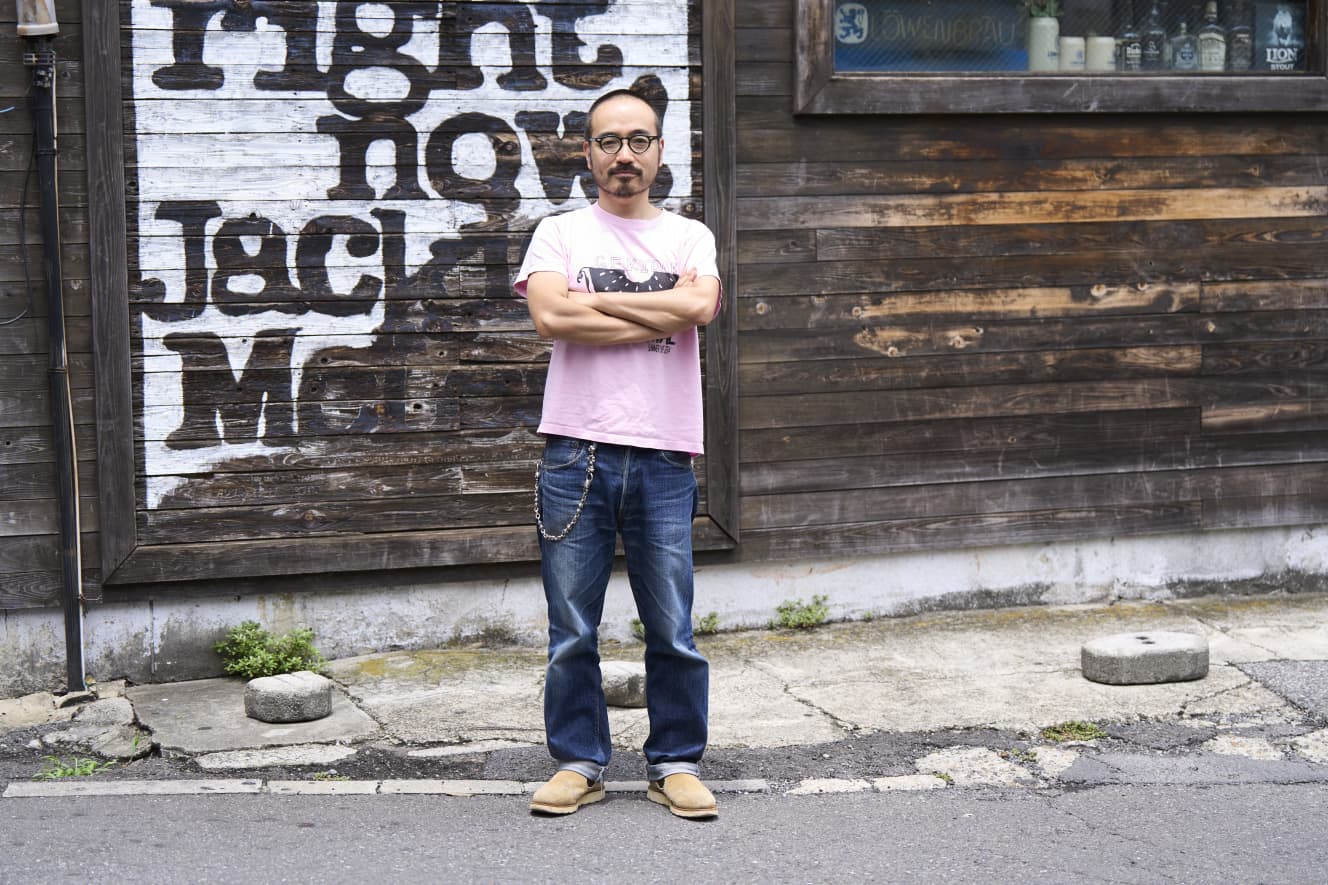
—On the other hand, the 1990s had this atmosphere mixed with anxiety and a sense of unease leading up to the end of the century, with things like “Mr. Maric’s Supernatural Magic,” “Tokugawa’s Buried Treasure,” and “Nostradamus’s Prophecies.”
U-dai: I’m the type who wants there to be unexplainable things in the world. That’s why I feel really lucky to have experienced that kind of world as a kid. Looking back as an adult, yeah, a lot of it was just staged (laughs). But as a kid, you believe in that kind of exciting, eerie stuff, right?
Thinking about it now, it feels kind of sad. These days, conspiracy theories that go viral online are things even adults believe in. I wish we had more of those things that are so obviously fake they’re funny—like in “Hiroshi Kawaguchi’s Exploration Series” (TV Asahi), with stories about cannibals or snakes suddenly falling from the sky. Stuff where you’re like, “There’s no way that’s real,” and just laugh.
Maybe it’s because I know the thrill of experiencing things like that that I love fiction. At the same time, games have evolved so much more now than in our generation, so I imagine today’s kids are getting something from those experiences too.
In the premium [FRIDAY Subscription] version, U-dai also talks about his days in WAGE, the struggles before and after winning KOC, and his autobiographical essay collection released in May this year, Kamomental Iwasaki U-dai’s Comedy Chronicle: The World Is Too Difficult, So They Call Me a Genius (Fusosha).
Check out the premium [FRIDAY Subscription] here.
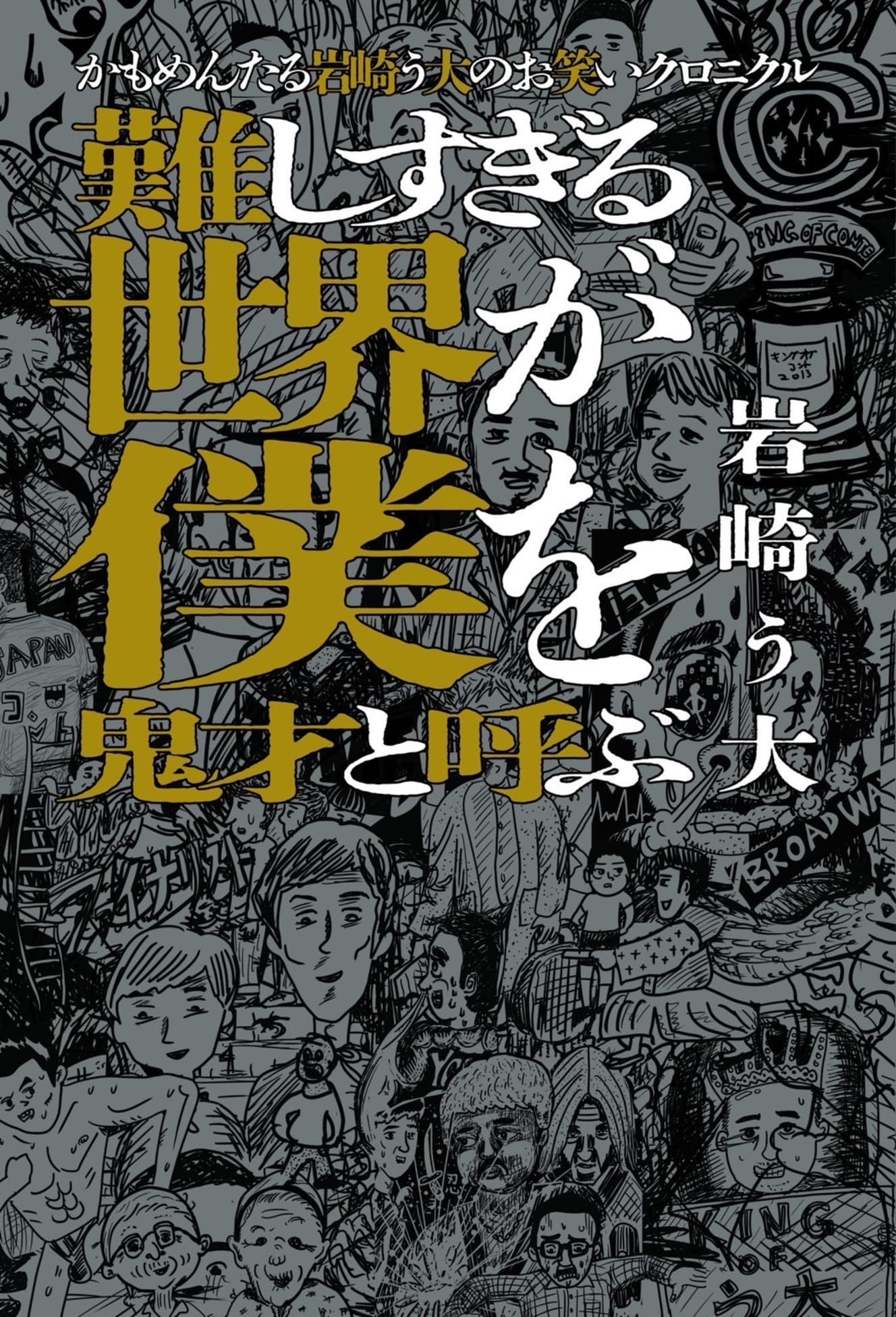 Kamomental Iwasaki U-dai’s Comedy Chronicle: The World Is Too Difficult, So They Call Me a Genius (Published by Fusosha)
Interview and text: Asahi Suzuki
Comedy researcher. Freelance editor/writer. Former band member, former broadcaster. Loves all kinds of entertainment. Published "Shimura Ken Theory" (Asahi Shinbun Publishing) in April 2021. Currently updating his personal website, "Immortal Writing Blues. http://s-akira.jp/
PHOTO: Sugizo