Kishida Stays Upbeat as LDP Polls Worry—What’s Next After the Upper House Election?


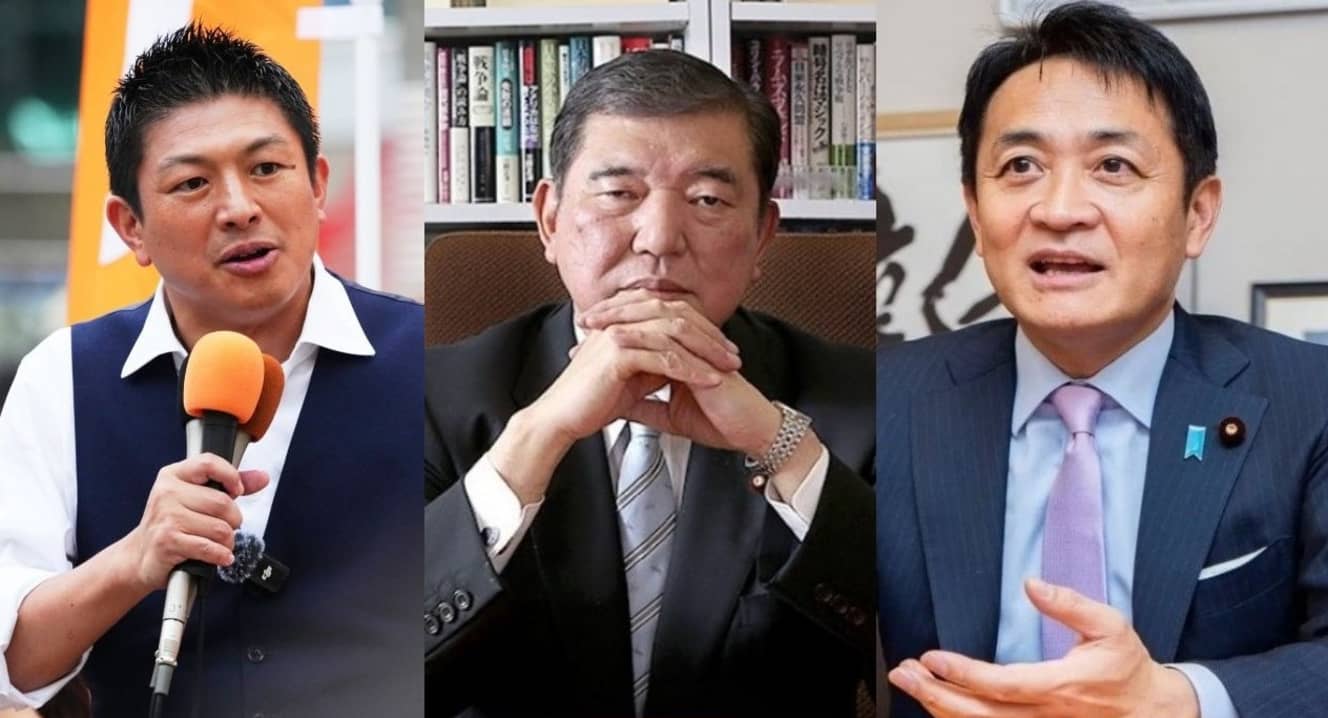
Due to his overwhelming unpopularity, a hide Ishiba strategy is also in play
“This is bad we’re in trouble”
On July 11, a crisis meeting was reportedly held at the LDP headquarters in Nagatacho, Tokyo, gathering officials from the election campaign team for the July 20 Upper House election. The grim projections presented at the meeting left party member’s pale.
The threshold for a majority in the Upper House is 125 seats. Since the ruling coalition of the LDP and Komeito already holds 75 uncontested seats, they need to secure 50 more to maintain their majority.
Up for election this time are: 52 seats for the LDP, 14 for Komeito, 22 for the Constitutional Democratic Party, 5 for Japan Innovation Party, 4 for the Democratic Party for the People, 7 for the Communist Party, 2 for Reiwa Shinsengumi, 1 for the Sanseito, 1 for the Social Democratic Party, 1 for the NHK Party, and 7 independents.
In the 2022 Upper House election, the assassination of former Prime Minister Shinzo Abe just before voting created a wave of sympathy, leading to a landslide win for the LDP-Komeito alliance. Given that, expectations were more modest this time, with the ruling bloc setting a target of 50 seats between LDP and KomeitO to hold the majority.
“Support for the LDP keeps dropping by the day. When Abe was in charge, his street speeches would draw huge crowds. But under Prime Minister Shigeru Ishiba (68), people leave as soon as he starts talking. He’s so unpopular that candidates are intentionally keeping him away — a hide Ishiba strategy. He’s barely getting any requests to campaign,” said one LDP insider.
He’s being treated like a jinx — and the struggles in key battlegrounds back that up. In the Tokyo district (6 seats + 1 by-election seat), veteran Takeo Takemi and former Japan Sports Agency chief Daichi Suzuki are running.
Initially, the LDP hoped both could win, but recent internal polling shows Takemi is in a tight race, and Suzuki isn’t leading by a wide margin either. They’re neck and neck with Ayaka Shiomura from the Constitutional Democratic Party and Saya from the Sanseito.
In the Kyoto district (2 seats), Shoji Nishida — who drew outrage over his controversial “Himeyuri” remark — is also in danger. A source from Nagatacho said:
“He had the lead early on, but now it’s a four-way battle with the Communist, Constitutional Democratic, and Japan Innovation parties. The backlash from his gaffe and general anti-LDP sentiment are stalling his support.”
Even in Wakayama — the stronghold of former LDP heavyweight Toshihiro Nikai — his son Nobuyasu Nikai is in serious trouble in the one-seat race. Independent candidate Yoshio Mochizuki is currently ahead.
Adding fuel to the fire, on July 8, LDP lawmaker Yosuke Tsuruho made a huge blunder during a speech in Wakayama:
“We were lucky the Noto earthquake happened.”
Though Tsuruho apologized and expressed his intention to resign as Budget Committee chairman, the damage is already done.
“He really made things worse for us. Tsuruho is already a marked man within the party. The LDP’s latest internal polling didn’t even reflect the fallout from his gaffe, and during the July 11 meeting, many voiced concerns that while support might continue to fall, there’s little hope of it rising,” said the aforementioned LDP official.
According to aggregated polling data, including those from major national newspapers, the LDP is projected to lose more than 10 seats from its pre-election count of 52. Komeito is also expected to lose 2 to 3 seats from its previous 14. Depending on the results of the proportional representation vote, the ruling coalition could very well fall short of its critical 50-seat majority target.
The Democratic Party for the People and the Sanseito hold the balance of power
If that’s the case, a realignment of the political landscape is inevitable. On July 13, Sanseitō leader Sōhei Kamiya said during a street speech in Kashiwa City, Chiba Prefecture:
“Even if we make big gains in this House of Councillors election, we won’t suddenly have 50 or 60 seats. We aim to join the ruling coalition in the next general election following the dissolution of the lower house.”
Some see this as a sign of overtures toward the Liberal Democratic Party (LDP).
“While there are LDP lawmakers who are resistant to Sanseitō, they may not be able to afford such resistance if it means preserving their hold on power. I expect moves to explore cooperation will emerge,” said one political insider.
Yūichirō Tamaki, leader of the Democratic Party for the People (DPP), is also aiming for a political comeback. Although his standing declined due to the controversy over nominating Shiori Yamao, his clear slogan, “Increase take-home pay,” remains effective. The DPP is expected to increase its seats from four to double digits in this election.
“Mr. Tamaki declared in a joint interview with sports newspapers conducted just before the election, ‘I want to become prime minister.’ He appears to believe he will once again hold the balance of power after the election,” noted a political reporter from a sports newspaper.
Meanwhile, former Prime Minister Fumio Kishida is said to be showing renewed vigor. According to the aforementioned LDP insider:
“Recently, former Prime Minister Kishida has been meeting frequently with senior LDP members. If the ruling coalition fails to secure a majority in the House of Councillors, Prime Minister Ishiba will inevitably face calls for accountability and is highly likely to resign. Should that happen, Kishida is apparently very eager to make a comeback as prime minister.”
With the critical election day just around the corner, the future of this country may rest on your single vote.
PHOTO: Afro (Kamiya), Shinji Hamasaki (Ishiba), Takayuki Ogawauchi (Tamaki)