Self-Checkout Fraud Becoming a Growing Concern in the U.S., Says Japanese Resident of 22 Years


It’s by no means someone else’s problem. A Japanese YouTuber shares the reality of New York
Economic and Fiscal Policy Minister Ryosei Akazawa returned to Japan on the afternoon of the 30th after completing the seventh round of tariff talks with the United States.
With the suspension period for the additional reciprocal tariffs set to expire on July 9, President Trump once again expressed dissatisfaction over automobile trade with Japan, calling it unfair. Appearing on a U.S. television program, he hinted that he may not reconsider the 25% additional tariff imposed on imported cars from Japan.
Since April, due to growing concern over tariff hikes, more U.S. companies have preemptively announced job cuts. The employment situation in the U.S. is by no means someone else’s problem. We spoke with Acchi, a Japanese woman who has lived in New York for over 20 years and shares the reality of the city on YouTube.

More bankruptcies and layoffs increasing under the Trump administration
It’s been about five months since the Trump administration began. While people around the world are being shaken by tariff increase policies and many feel anxious, how are the lives of people living in New York, the economic center of the U.S., changing?
“So far, I haven’t felt the direct impact of the tariff hikes, but since the beginning of this year, news of corporate bankruptcies and layoffs has definitely increased.”
So says Acchi, a Japanese woman who has lived in New York for 22 years and shares local information on YouTube. She usually works as a technical designer at an apparel manufacturer. According to her, while the economic impact of the new Trump administration’s policies is expected to intensify in the future, there are already dark clouds looming over the job market.
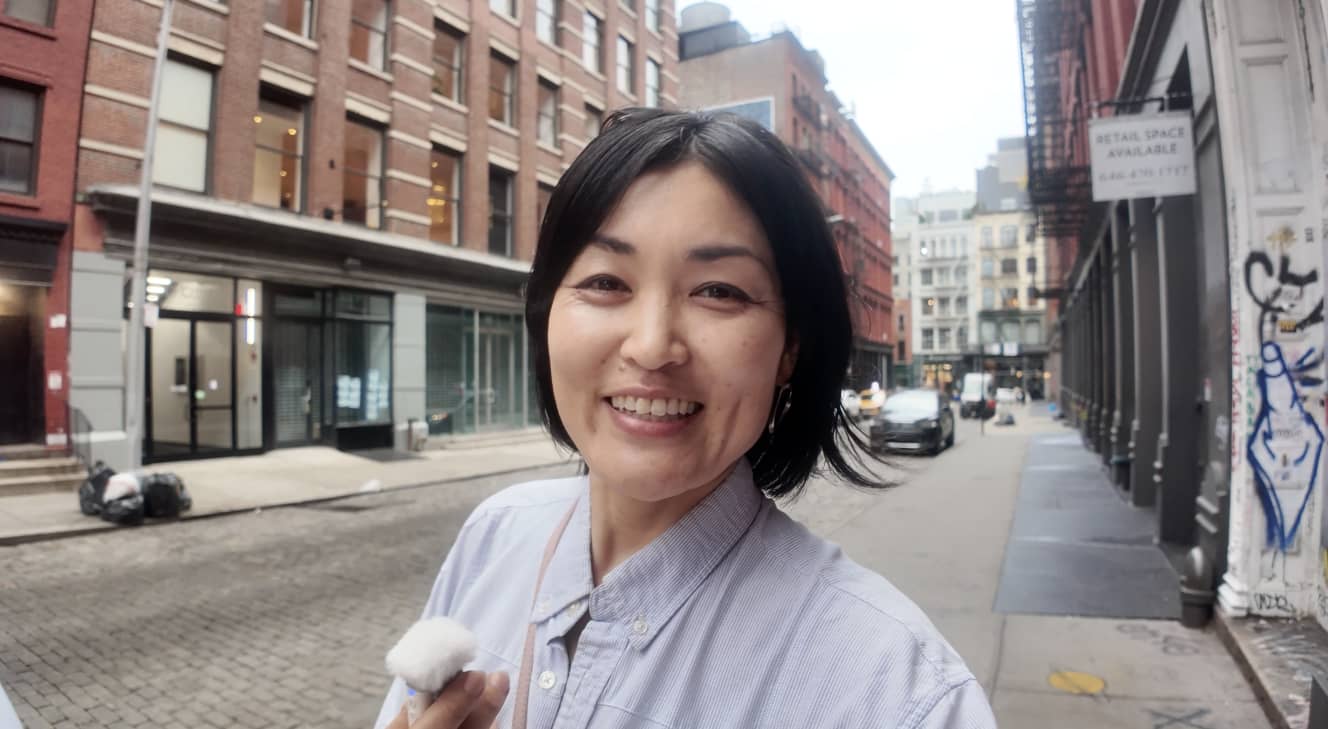
“In fact, the news of around 30,000 layoffs in tech companies and about 280,000 government employees being dismissed under Elon Musk’s leadership became major talking points. Also, due to rising prices and structural changes in the economy—such as the growth of ultra-low-cost brands in recent years—bankruptcies and closures of major chain stores are also becoming more noticeable.”
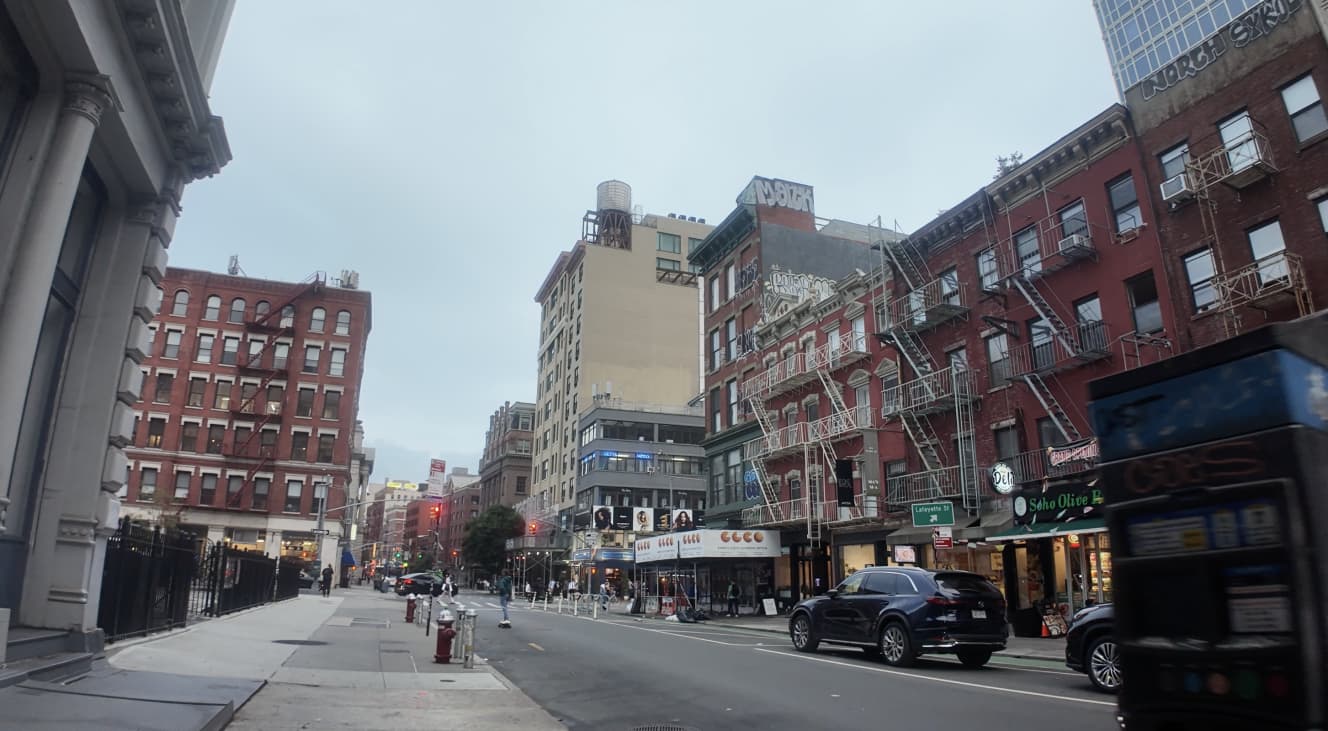
Furthermore, since April, there has been an increase in news of workforce reductions by companies taking preemptive action out of caution over rising tariffs. With further tariff hikes expected, some worry that companies that have managed to hold on until now may soon reach their limit.
This wave of job insecurity is also affecting people working in New York.
“In many companies around me, there have been staff cuts. As a result, fewer people are being asked to handle the same workload, so employers are now seeking candidates who can contribute immediately. Experienced workers are able to find new jobs, but fresh graduates are having a hard time securing employment.”
Adding to the pressure is the resumption of student loan repayments in May this year. The federal student loan payments, which had been paused due to the COVID-19 pandemic, are now being forcibly collected again. Around 43 million students in the U.S. have student loans, and many are reportedly struggling with repayment.
“On social media, I often see young people lamenting things like, ‘I can’t even find a part-time job, let alone a full-time one—how am I supposed to pay back student loans?!’”
Frequent self-checkout fraud rising prices directly impact daily life
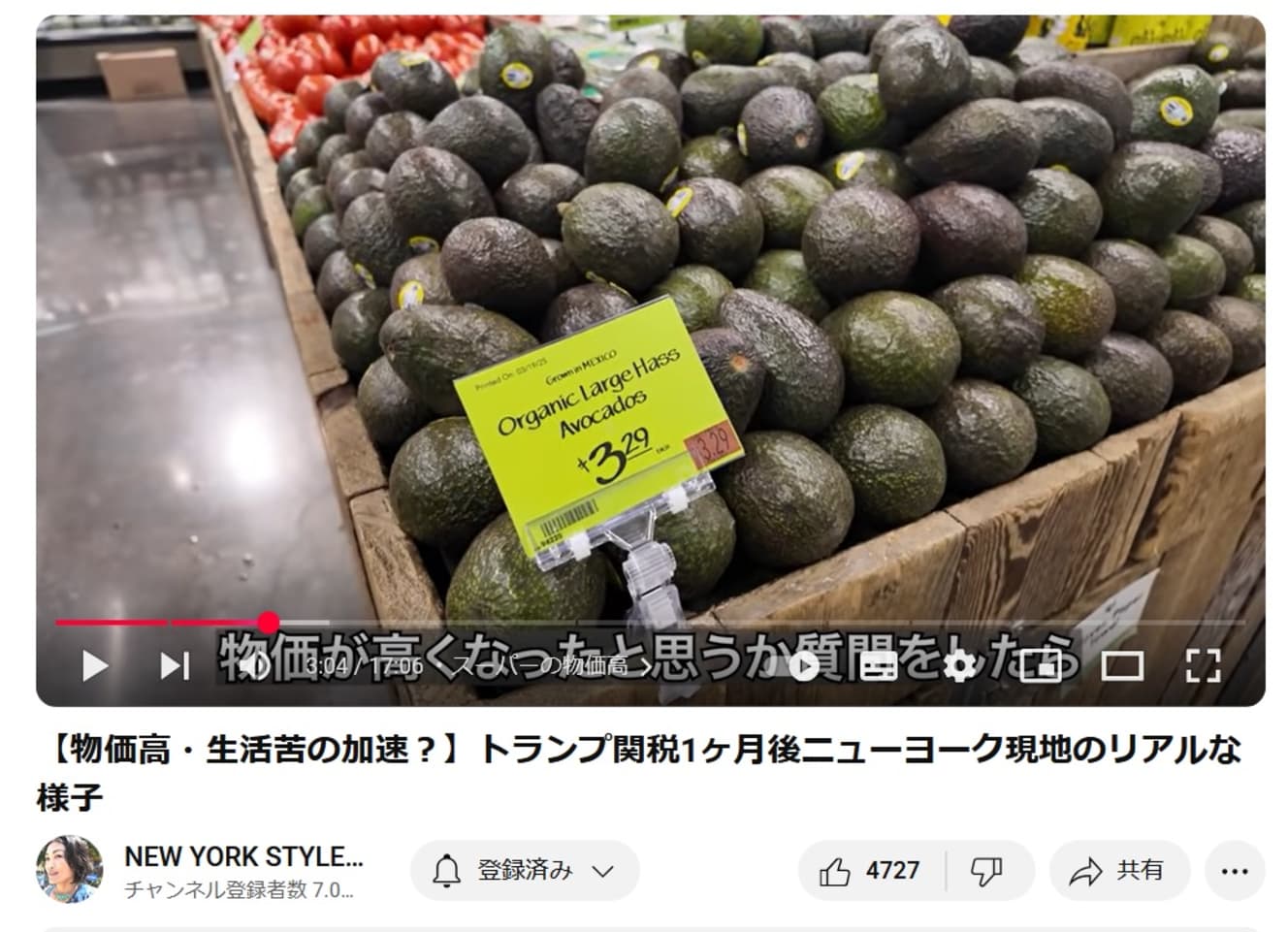
In addition to job insecurity, what’s hitting New York residents hard is the continued surge in prices since the COVID-19 pandemic.
“After a significant spike during the late COVID period, prices have been fluctuating up and down, and right now, they are about 20% higher overall compared to pre-COVID levels. Prices vary depending on the store or sale, but at my local supermarket, organic milk and eggs (one dozen), which used to be around $5 before COVID, are now close to $8.
Also, gasoline prices dropped to $2.15 per gallon in 2020 but rose to around $4.50–$5 in 2022, and have since gone down again — currently it’s about $3.15. Since New York has a well-developed public transit system, I don’t use a car much, but for those living in other states where cars are the main mode of transportation, I think their lives are being heavily impacted.”
In addition, shrinkflation—where the price stays the same but the product quantity decreases—is also spreading.
“Rent has generally increased by nearly 30%, and interest rates have risen from 3% to 7%. In New York, a 3–5% annual rent increase is common, but combined with inflation, some people have ended up unable to pay rent and are living in their cars. According to local media, this is especially common in Red Hook, a port town in Brooklyn. On social media, more people are sharing life hacks and money-saving tips for living comfortably in their cars.
Petty crimes have also increased around the city. Home improvement stores and drugstores, where shoplifting has increased, have responded by placing security guards or putting products in locked clear cases. Recently, the biggest problem is fraud at self-checkout registers, where many people scan barcodes but leave without paying.”
Another serious problem emerges in winter.
“When it gets cold, more homeless people seek warmth inside subway stations. According to local news, many of them suffer from mental health issues and may act unpredictably. This overlaps with immigration issues, and there were many news reports around last year’s end about violent incidents in the subway.”
Financial hardship caused by the COVID relief payments
Behind the hardships caused by rising prices lies the unique economic situation during the COVID-19 pandemic.
“To be honest, I think the current situation is partly due to the accumulation of individual mindsets and behaviors. At the beginning of the pandemic, when prices started to rise, government relief payments were generous, and salaries were also increasing.
Switching to remote work eliminated costs such as transportation, lunch, and daycare (services for children from infancy to preschool), giving most people financial leeway.”
However, many prioritized moving to larger suburban homes and raising their living standards over saving for the future.
“When the pandemic settled, relief payments ended, and office work resumed, some people sold their suburban homes and moved back to the city center. Living in the city, where rents and prices are higher, naturally increases living expenses. Families also faced renewed daycare costs due to commuting. Taxes and insurance premiums rose, and many people struggled to manage their household budgets.
Unlike Japanese who seek stability, many Americans quickly jump on new and interesting things, spending their relief payments immediately and saving less.”
As a result of rising prices and loosened purse strings, many maxed out their credit cards. Additionally, the “Buy Now, Pay Later” (BNPL) service—popularized during the pandemic without credit checks—was heavily used for everyday purchases, leading to mounting debts that many eventually had to default on.
Amid such complex economic conditions, some people have started emigrating abroad.
“Around me, I see people with European citizenship returning to their home countries or families moving to Vietnam while continuing remote work for American companies. This pioneering way of life feels very New Yorker to me.”
Influencers who share tips on saving money and investment information are gaining popularity. Although support systems for hardship exist, the basic expectation is that individuals must find them on their own
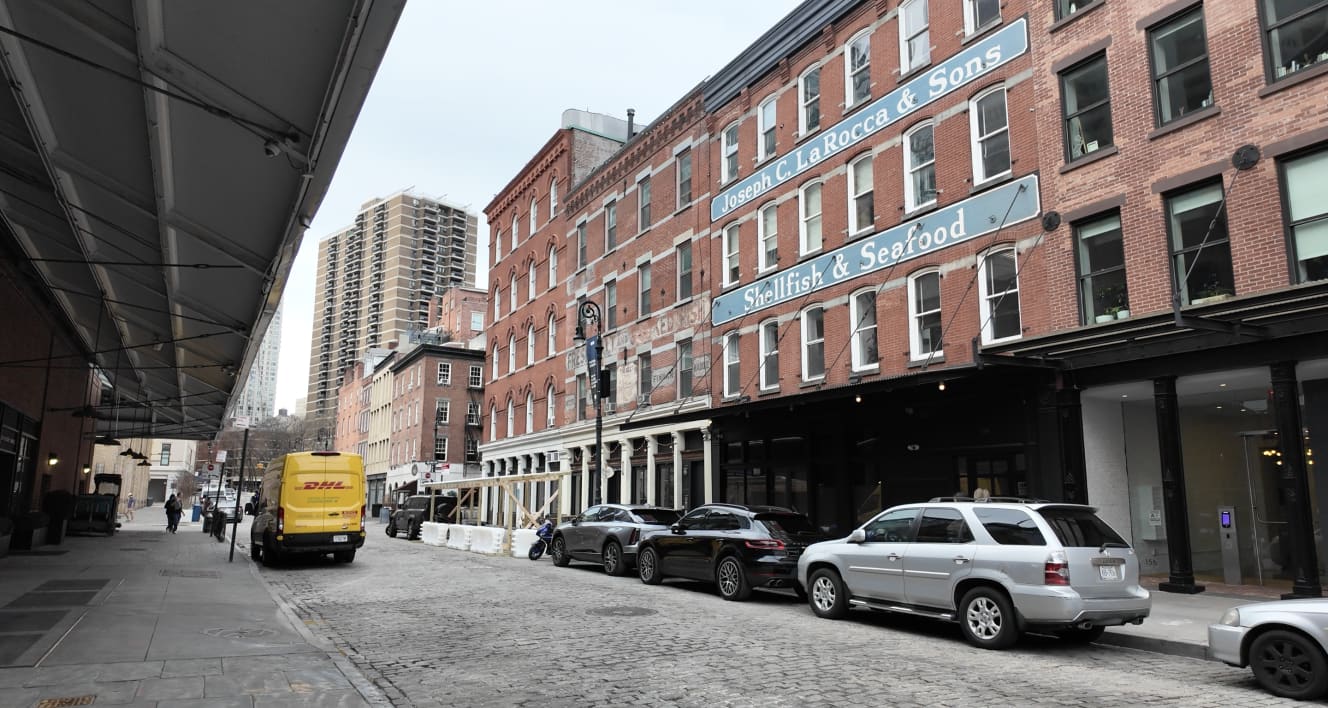
While the number of people facing financial hardship continues to rise, multiple support measures are available. However, since these are based on the principle of personal responsibility, individuals are generally expected to gather information and take action on their own.
For example, in the event of unemployment, there is a system called the “Severance Package,” where companies may pay allowances equal to the employee’s salary for a certain period based on their years of service. The payment period can range from two weeks to two years, but since this is not a company obligation, it may not be provided.
“After that, depending on the state, in New York State, unemployment benefits range from $136 to $504 per week and can be received for up to six months. For student loan repayments, there is also a loan pushback system that allows payment deferment while unemployed.”
In daily life, various public support systems, including food stamps, are well established. A unique initiative in New York provides an inflation relief payment of $200 to individuals earning less than $150,000 annually. Additionally, financial education is being made mandatory nationwide across the United States.
At an individual level, more people are focusing on saving and investing. Specifically, strategies such as reducing dining out by enjoying home parties, quitting bar visits to make cocktails at home, and preparing homemade lunchboxes have become popular.
There is also a noticeable decrease in clothing purchases, with secondhand stores seeing increased activity. Buying and selling daily necessities and furniture through auction sites like eBay and Facebook Marketplace is also thriving.
“Many people are also reviewing fixed expenses like gym memberships, with more switching plans or gyms altogether.”
On the investment side, in addition to the “401k” retirement plan for full-time employees (similar to Japan’s iDeCo), there is a growing number of young people making small investments using an online brokerage app called Robinhood.
“People who have made fortunes at a young age all invest, and various advice flows through social media. Robinhood became popular around 2018 with slogans like ‘Instead of buying a $5 coffee, invest that amount.’ I also started using it after seeing it on social media.”
The content shared by influencers has also changed. Whereas posts encouraging product purchases were common before, recently there is more emphasis on information about saving and investing. Against the backdrop of American individualism, the movement of people preparing for themselves by utilizing available systems seems to be steadily expanding.
Reasons why people still flock to New York

The economic situation surrounding New York—rising prices and soaring living costs—is certainly becoming more challenging. However, even so, people who dream of living in this city continue to arrive without pause. Although rents keep increasing, the influx of people moving to the city remains steady.
“A real estate agent I know said that no matter how poor they are, artists with ambition still long for New York, and if living alone is difficult, they’ll share rooms just to live here. There are also tech business people who gained wealth at a young age and others relocating for work. After all, New York has always been a city full of opportunities,” she explained.
While some foresee a tough life ahead for the middle class, the city’s appeal is not expected to fade.
“Besides, New York is an incredibly energetic city. Because there are so many different kinds of people, there’s no single right answer. Everything is valid, and no one judges you, so you can be yourself without worrying about others’ opinions. I believe that won’t change moving forward.”
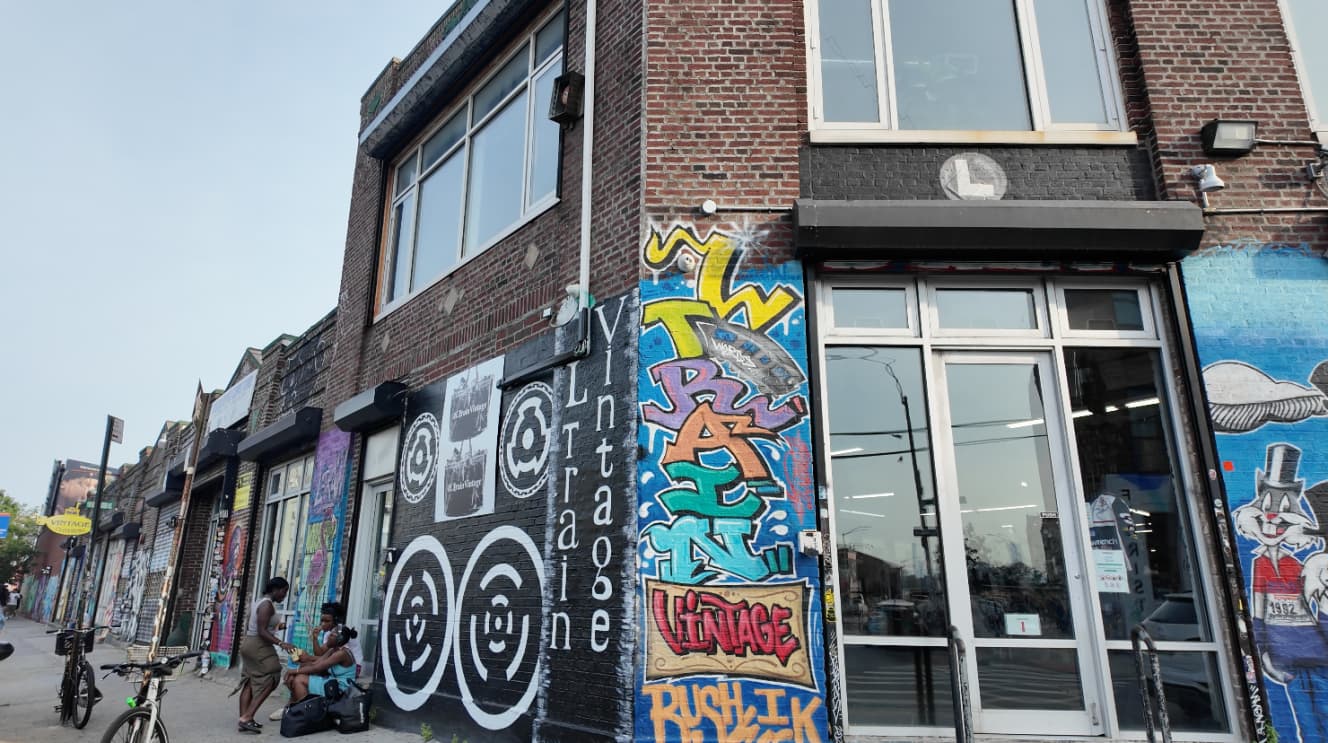
Acchi herself says, “I’m the type who sees a crisis as an opportunity,” and she actually succeeded in real estate investment during the COVID-19 pandemic. She bought a house before the price rise, building her assets through rental income and property value appreciation. Not resting on her laurels, she constantly monitors market trends to identify the next opportunity.
“No matter what kind of crisis, if you make the right choice, it can lead to a big leap forward.” — This attitude of Acchi embodies the true spirit of New Yorkers who continue to challenge themselves without fear of change.
▼ About Acchi
Since university, she has had a fascination with overseas life. After graduating from university (Department of Architecture), she studied fashion at Savannah College of Art and Design in Georgia. After graduation, she moved to New York and has been active as a fashion designer and technical fashion designer. Since September 2024, she has been running a YouTube channel sharing various information about New York. An episode explaining employment and financial issues from a local perspective has surpassed 700,000 views and received nearly 1,000 comments.
Reporting and writing: Motoko Abegawa PHOTO: Courtesy of acchi