Shiro Sano Reflects on 50 Years in Acting and Shares Hidden Stories with Mentor Juro Kara
Special Interview with "Actor


“For my high school graduation, I took the 20,000 yen I had saved from New Year’s gifts and went to buy a guitar, but somehow I ended up buying a Minolta SRT101 instead.”
Holding the mirrorless camera from Fujifilm that he usually carries around, actor Shiro Sano (70) answered our interview. He says he likes to photograph whatever catches my eye, and his skill is so refined that he has held solo exhibitions.
His main profession as an actor is celebrating its 50th year this year. Slightly eccentric and exuding a unique aura, Sano appeared in five dramas just in the first half of the year, and is set to appear in NHK’s morning drama “Bakebake” scheduled to air this fall.
“My reason for aiming to become an actor traces back to when I was five years old attending a Christian kindergarten and played one of the ‘Three Wise Men’ in a Christmas nativity play. I really enjoyed it.
What was fun was wearing a cape, like my favorites back then — ‘Shonen Jet’ and ‘Gekkou Kamen’ (Moonlight Mask). It wasn’t about looking like a hero, but the ‘Wise Man’ had a mysterious, mad scientist vibe, and I think I felt a sort of fetishistic pleasure. When I was in junior high, I also loved the ‘Ultra Q’ and ‘Ultraman’ series.”
“Old habits die hard” — the strange, eerie, and dark elements have always influenced Sano’s motivation.
“In high school, I joined the drama club and wanted to do something underground. The late ’60s were a psychedelic era where student movements and underground culture merged. I enjoyed movies, music, literature, contemporary poetry, and photography. I knew about Juro Kara’s (who died at age 84) ‘Situation Theatre,’ the pioneer of underground theater, but I had never actually seen an underground play.”
After graduating from high school, he moved to Tokyo and joined the launch of the “Shakespeare Theatre.” At 25, he finally knocked on the door of the Situation Theatre led by Kara, the place he had aimed for.
A Word Said to Me by Mr. Kara
Mr. Kara was strict. He often denied my character (laughs). Looking back now, it sounds like a dream, but he also gave me good roles to play. However, I was completely useless.
What was wrong was that my acting wasn’t chaotic; I was trying too hard to do it properly. I was just pretending to be the role. Mr. Kara told me, “If you act like that, you won’t be able to work in film.”
Eventually, he told me, “Maybe we don’t need you anymore,” and in 1984, I left the Jōkyō Gekijō theater troupe after five years.
Unexpectedly, film came to my rescue when I was released into the wild.
I met director Kaiso Hayashi (67) and starred in the detective black-and-white silent film I Want to Sleep as if Dreaming (released in 1986), set in 1950s Asakusa.
“Because it was a black-and-white silent film, it felt like a revelation telling me to ‘start acting over from zero.’ The world it depicted was that of Edogawa Ranpo and fantastical mysteries. Fortunately, it was well received internationally, and I was even invited to the Venice International Film Festival.”
However, appearing in just one film wasn’t enough to make a living. After returning from the glamorous Venice, he recalled, “I was making ends meet by working part-time building sets at a TV station.”
“I often thought to myself, ‘What am I even doing?’ while working there (laughs). But thankfully, I started receiving offers one after another from film directors regarded as masters. Even though I had no track record in television, I was suddenly cast as the lead in two-hour dramas and given major roles.
Films had the appeal of crafting each cut carefully, but TV dramas had the thrill of shooting everything in one go. As for trendy dramas, they were all love stories—I just thought, ‘They’re so flashy and frivolous’ (laughs).”
In the FRIDAY July 11 issue released on June 26, as well as the paid edition FRIDAY GOLD, he speaks candidly about filming episodes of the classic Zutto Anata ga Suki Datta (“I’ve Always Loved You”).
For more details and multiple photos, click here↓.
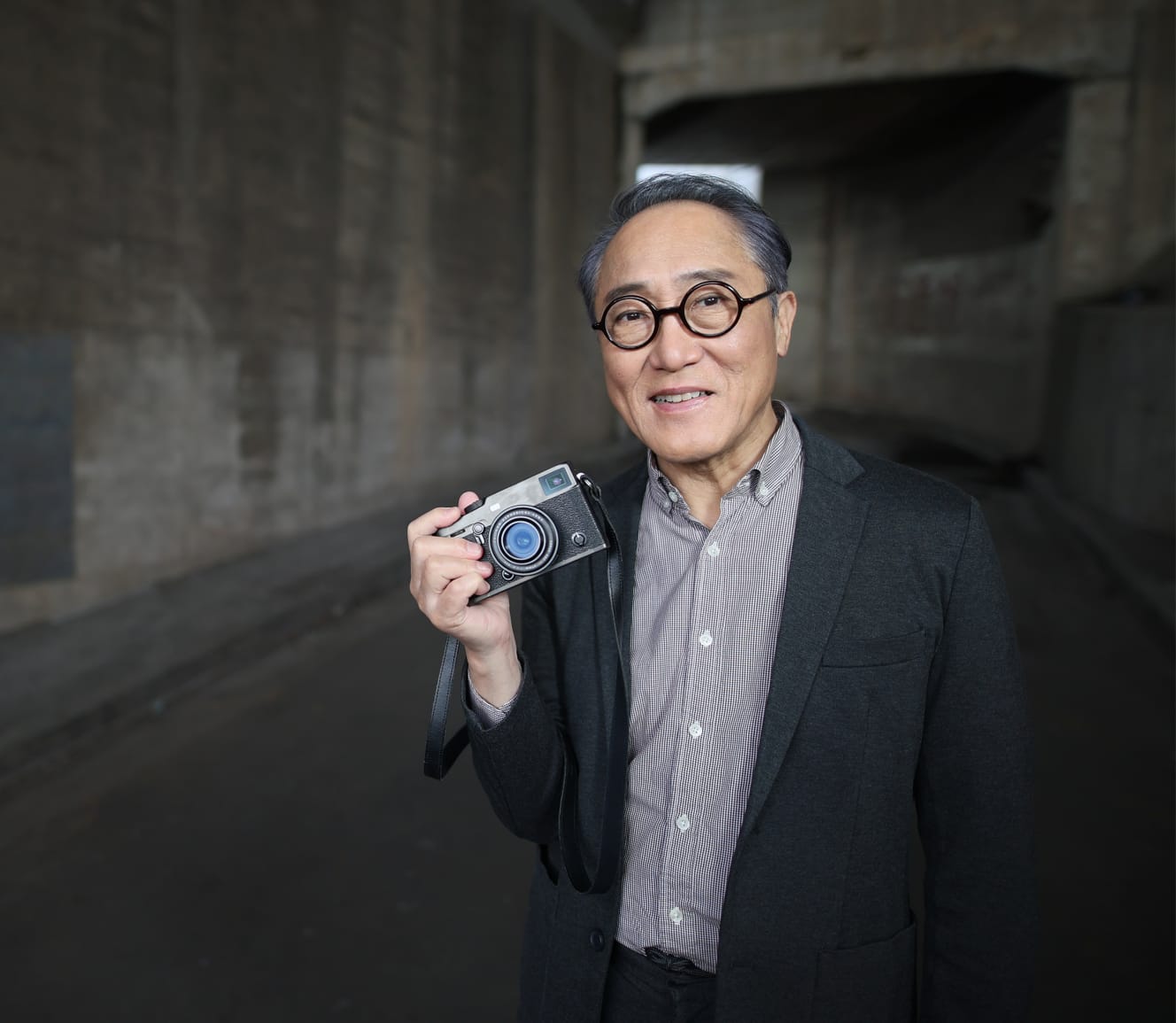

From the July 11, 2025 issue of “FRIDAY”
PHOTO: Takehiko Kohiyama