Overdose Scare of Obata no Oniisan Hospitalized After Severe Reaction


What’s supposed to stop a cough ends up putting strain on the heart
“My cough still won’t go away.” “I feel kind of sluggish.” That “one more dose” might be slowly shaving years off your life.
The recent news about comedian Obata no Oniisan (37), who used an inhaler more than five times a day to suppress his cough and ended up being rushed to the emergency room, is still fresh in memory. After experiencing palpitations, trembling, and clouded consciousness, he eventually fell into hyperventilation syndrome.
Obata’s case is far from rare. As a pharmacist who has interacted with many patients, I’ve repeatedly witnessed the harsh reality of how self-judged overuse of medications can seriously harm one’s health.
Whether over-the-counter or prescription, all medications have usage limits. Beyond that limit lies a cascade of side effects. The very medicine meant to improve your condition could, ironically, damage your health instead.
[Inhalers] The sole desire to stop the cough ends up straining the heart
Inhalers are like a charm that makes breathing easier. Their active ingredients are β2 agonists, which stimulate the sympathetic nervous system—not only acting on the bronchial tubes but also affecting the heart, blood vessels, and muscles.
A rapid heartbeat, trembling hands and feet, anxiety, and headaches are all classic signs of overuse. When the sympathetic nervous system is overstimulated, the strain on the heart increases—sometimes to life-threatening levels.
The mistaken belief that using it more will make things better can be fatal.
[Cough Suppressants] The trap of different Names, but almost the same contents
“The previous medicine didn’t work, so I’ll try a different one”—such a causal decision can lead to overlapping ingredients.
At drugstores, cough suppressants and general cold medicines are displayed on separate shelves, but surprisingly, the ingredients they contain often overlap.
For example, ingredients like dextromethorphan hydrobromide, dihydrocodeine phosphate, methyl ephedrine hydrochloride, and chlorpheniramine maleate (an antihistamine) are frequently found in both types of medicine.
Using these together can lead to serious side effects such as hallucinations, delirium, impaired consciousness, and even respiratory depression. In some cases, these effects can be life-threatening. Moreover, it can also serve as an entry point into overdosing, so it is crucial to always check the ingredients.
[Painkillers] One more pill because it’s not working can wreck your stomach and kidneys
Aren’t you casually adding various painkillers like Loxonin, Bufferin, or Naron Ace?
NSAIDs (non-steroidal anti-inflammatory drugs) have the effect of irritating the lining of the stomach and intestines, increasing the risk of gastric ulcers, duodenal ulcers, and gastrointestinal bleeding. Side effects such as kidney dysfunction and liver damage also cannot be overlooked.
“I’ll take Naron Ace since Loxonin didn’t work.” or “It’s okay because I switched medicines.” That kind of self-judgment is the most dangerous. Especially taking them on an empty stomach or combining them with alcohol is the worst combination. It can cause further damage to the mucous membranes, and bleeding may progress without any noticeable symptoms.
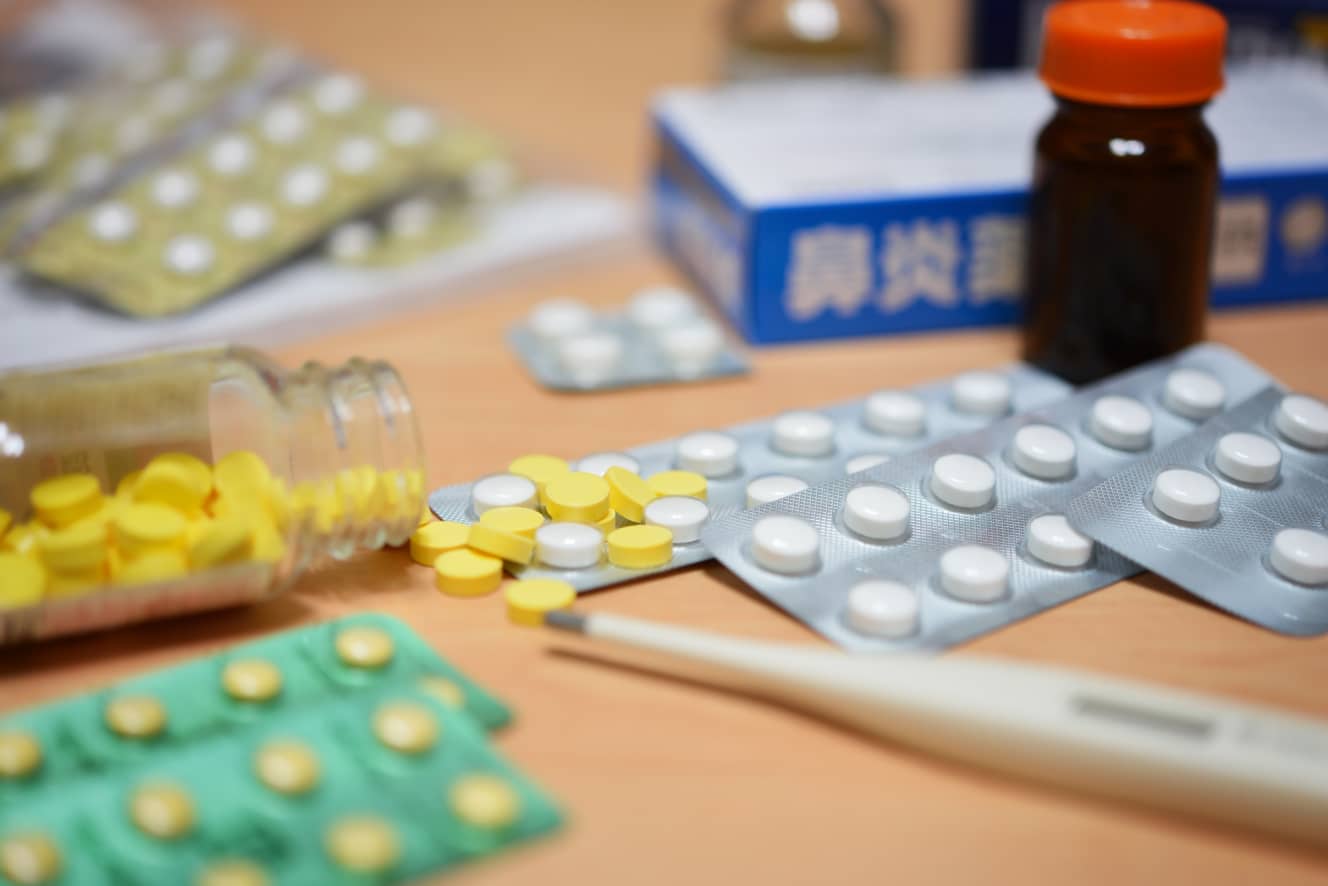
“Because it’s over the counter, it’s safe.” “It’s not hospital medicine, so it must be mild.” Such assumptions can lead to situations where holes form in your stomach.
[Caffeine] Could stacking stimulants to stay awake stop your heart
Lipovitan D, Yunker, Estaron Mocha all contain caffeine. The safe upper limit for caffeine is around 400 mg per day, and combining multiple products can easily exceed that limit. This raises risks such as palpitations, arrhythmia, seizures, and in the worst case, cardiac arrest.
There has been deaths from caffeine intoxication in Japan as well. In 2014, a man in his 20s from the Kyushu region died due to caffeine overdose.
Caffeine supplements consumed to stay alert or focused during busy work periods—before you know it, your heart may already be pushed beyond its limits.
[Herbal medicine] It’s dangerous precisely because it’s natural
The belief that herbal medicine is safe because it’s natural is a common pitfall.
When herbal ingredients like ephedra (maō) or licorice (kanzō) overlap, they can cause high blood pressure, arrhythmia, and muscle weakness. Because of the misconception that herbal remedies are harmless, casually taking multiple kinds at once can actually be riskier than Western medications.
Don’t be fooled by the image of natural origin. Herbal medicine, in fact, can be a hidden breeding ground for dangerous polypharmacy.
[Laxatives] Taking more because you can’t go leads to chronic constipation
“I didn’t go yesterday, so I’ll take one more pill”. That mindset shortens the lifespan of your intestines.
Overusing laxatives can cause the bowels to stop moving on their own, leading to laxative dependence. This is especially dangerous for the elderly, as it can trigger dehydration or heart failure—and may even be fatal. Not having a bowel movement doesn’t necessarily mean something is wrong, and the definition of constipation varies from person to person. Forcing yourself to go and relying too much on medication is what’s truly abnormal.
Medicine is originally meant to help the body recover. But if used incorrectly, it can take away your health and even threaten your life. More isn’t better when it comes to medication. Every drug has a proper dosage and exceeding that turns it into poison. If you’re ever unsure, consult a doctor or pharmacist.
Interview and text: Eri Yoshizawa (Pharmacist/Medical Journalist)