Injured Left Hand Yet Nakatani Dominates Nishida and U.S. Photographer Highlights Key Advantage in Inoue Naoya Matchup


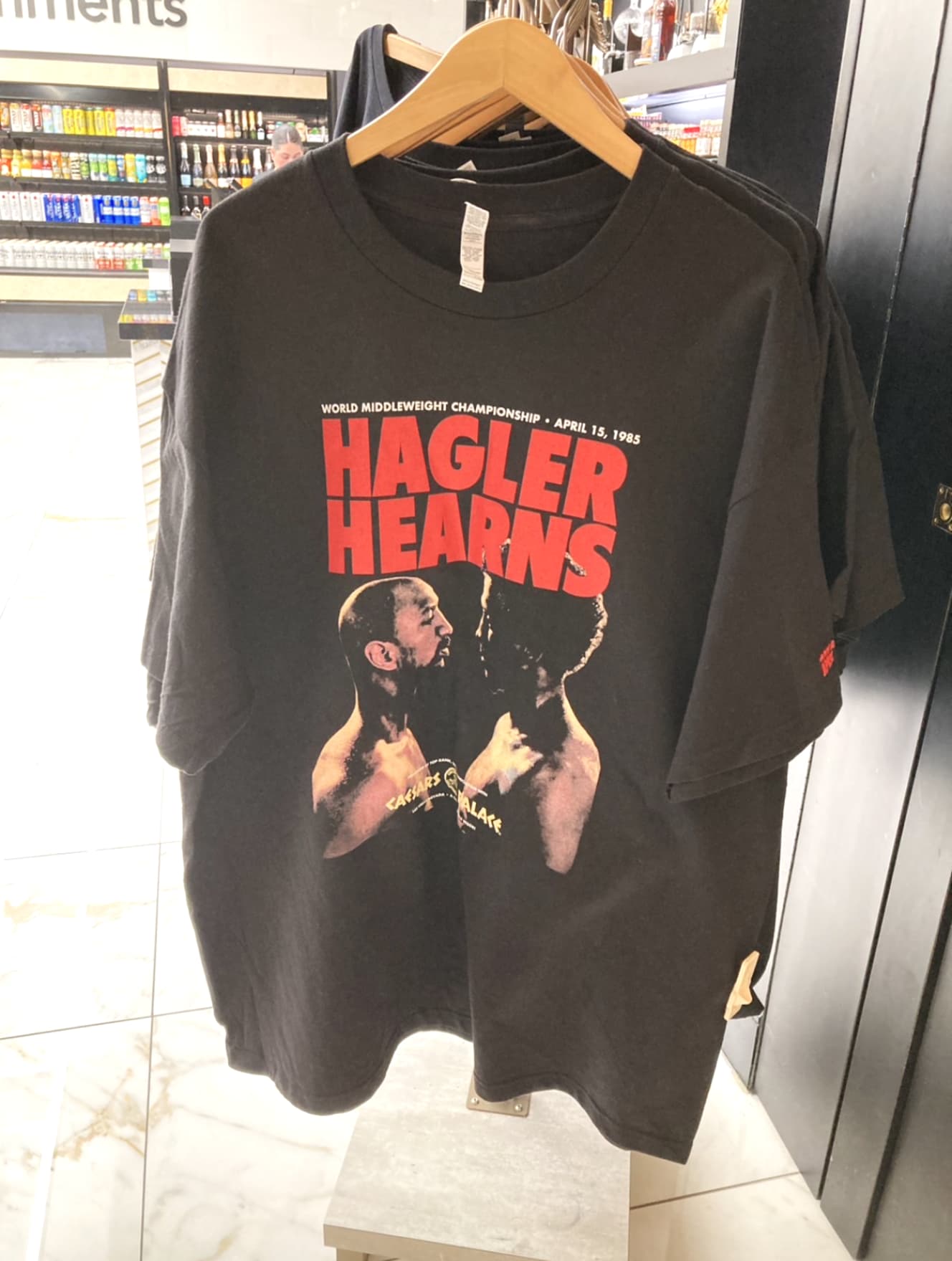
It was reminiscent of the Hagler vs. Hearns fight
“Wow!!!! It was an unbelievable fight! The excitement is still lingering. It was such a heart-pounding battle.”
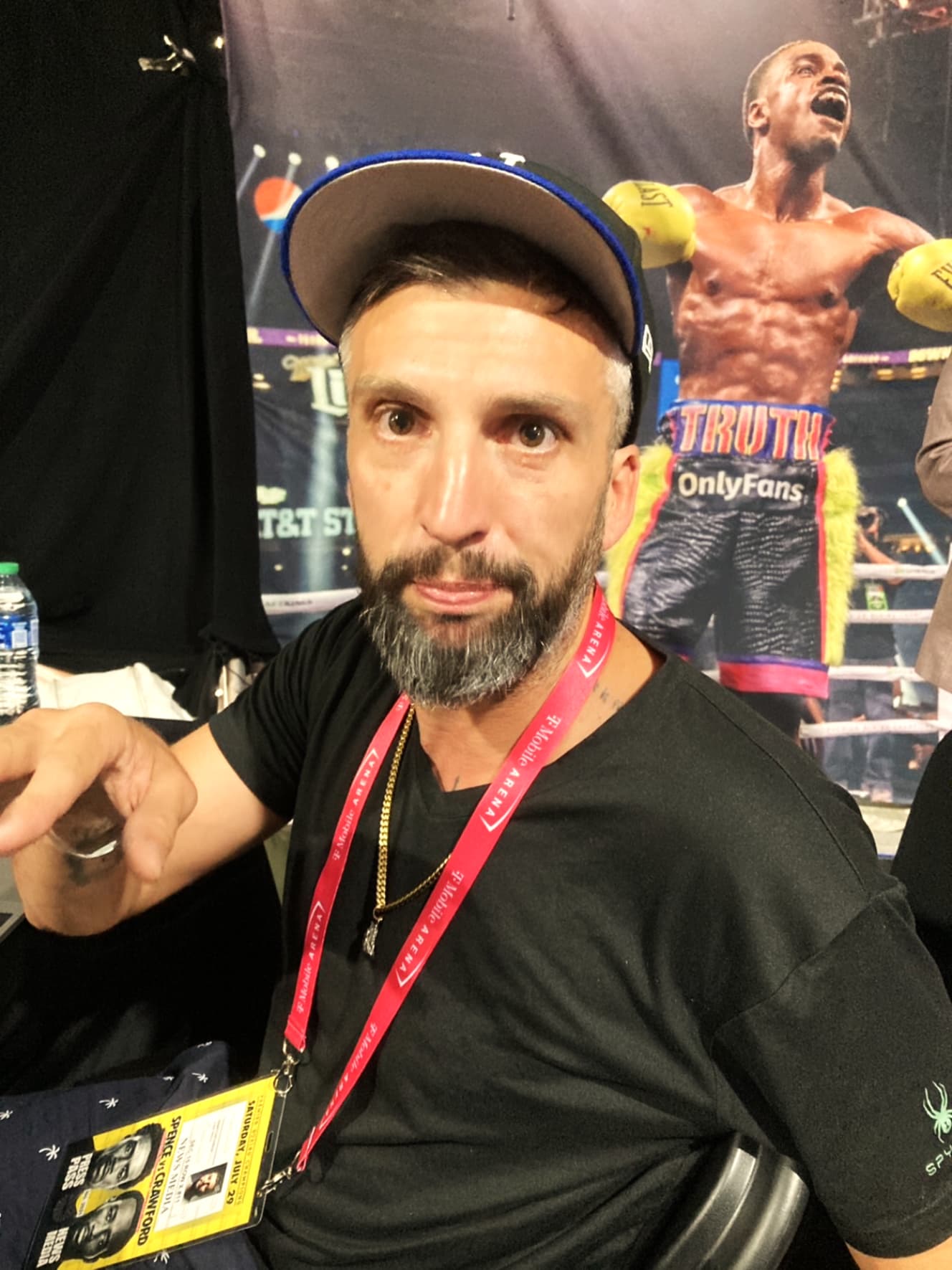
Adam DelGiudice, who was in New York for work, watched the WBC/IBF bantamweight title match on TV and said this with palpable excitement. Born on April 20, 1982, the Italian-American DelGiudice has been both an amateur boxer and a photographer, continuously capturing moments in the ring.
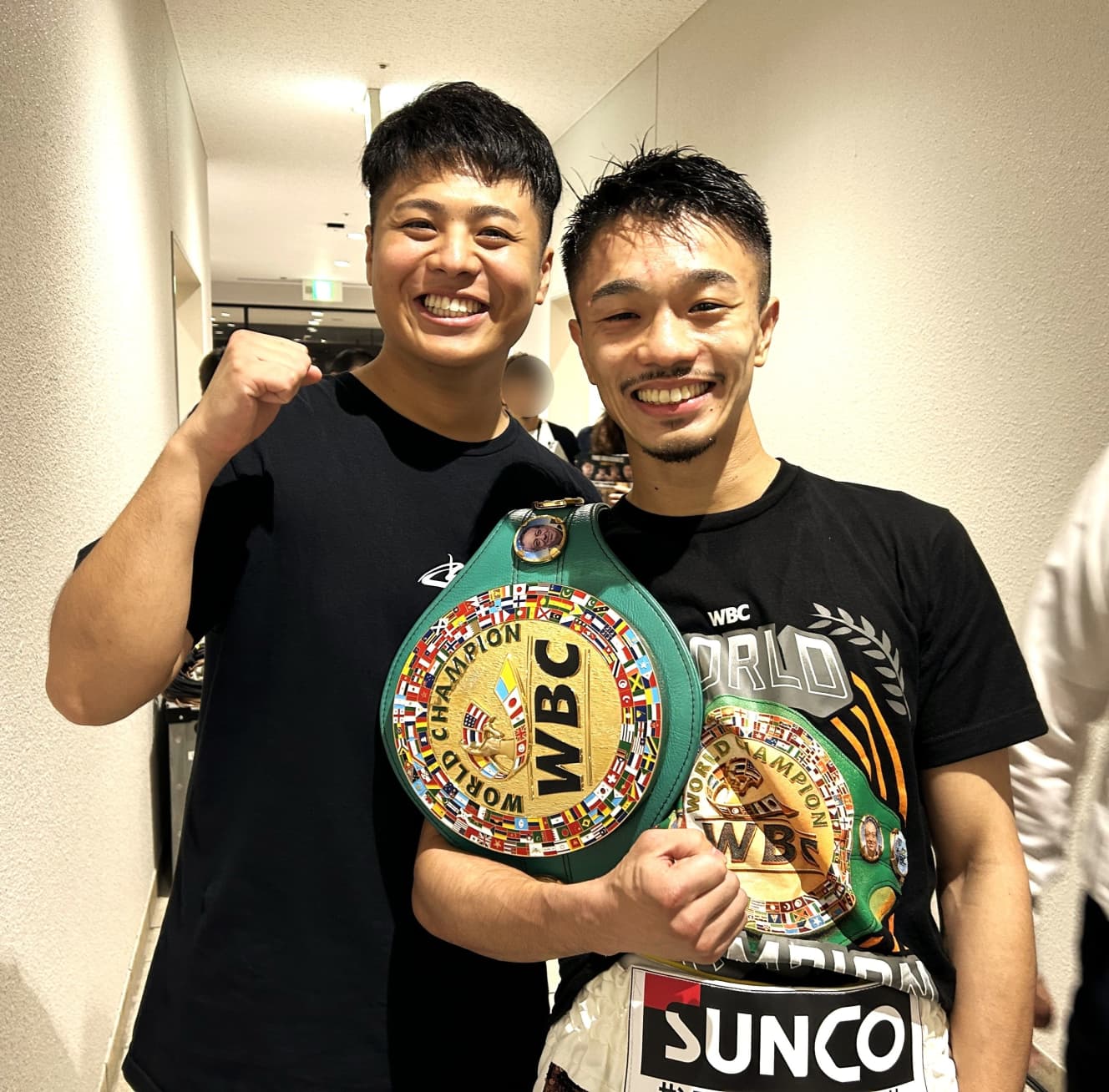
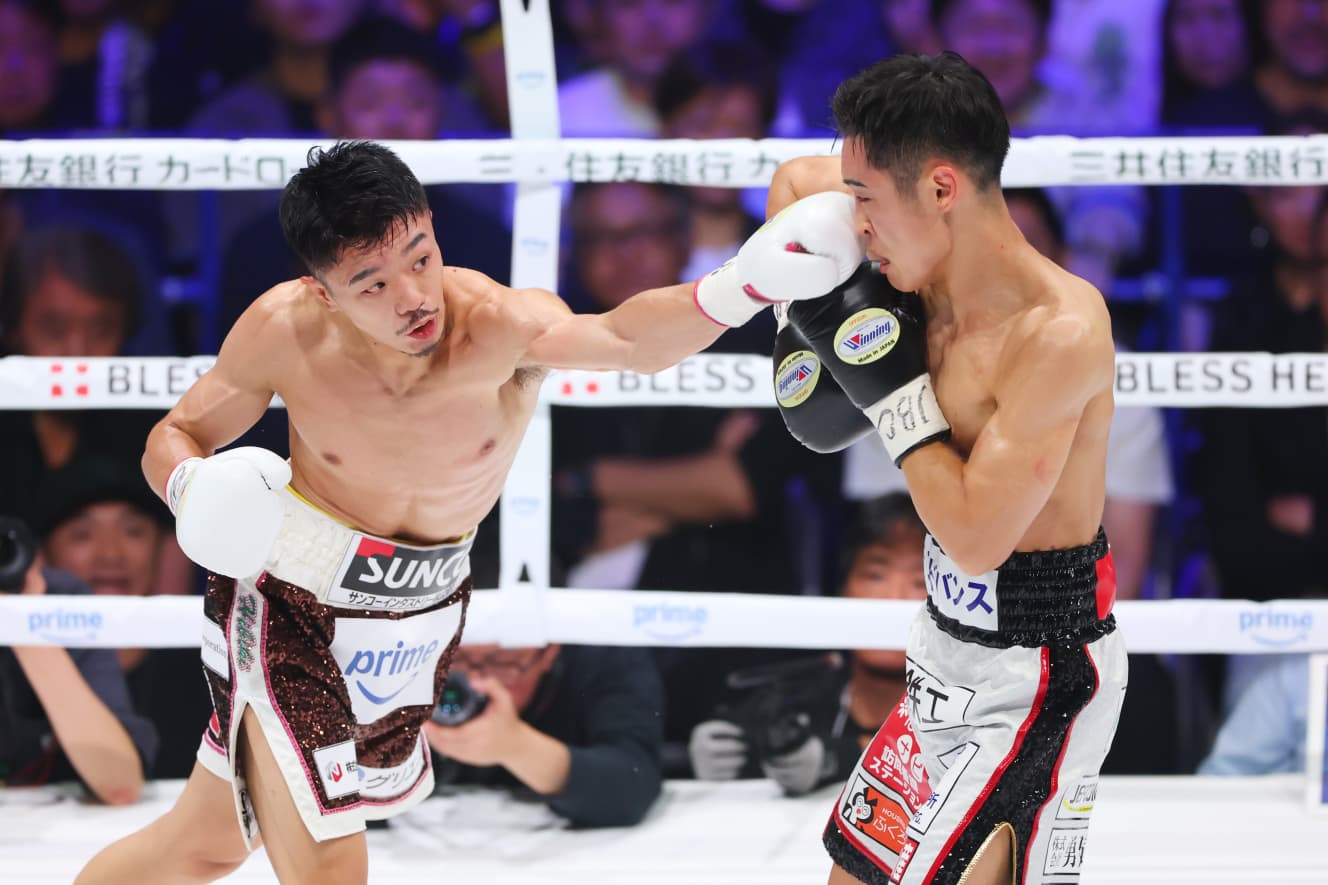
This time, he was ringside shooting the fight where Junto Nakatani (27) claimed the second title of his career by defeating Ryosuke Nishida (28) by TKO in round 6. DelGiudice had also captured Nakatani’s thrilling knockout victory over Andrew Moloney in the final round on May 20, 2023, in Las Vegas at the MGM Grand Garden Arena. Since then, he has been following Nakatani’s progress closely.
“I didn’t know Nishida very well, so I couldn’t predict his fighting style. But with Junto, I thought he would use his reach and boxing to go for a knockout. If the IBF champion stood in a position where he took Junto’s straight punches, it would be dangerous. So, I focused on how Nishida would handle Junto’s attacks.
During the training camp before Junto’s challenge for the WBC bantamweight title, I had a chance to shoot for just one day. He was always training with a specific theme—working on counter-punching rounds, defense rounds, and exchanges. What left an impression on me was how he stuck to the training plan.
But I never expected him to come out so aggressively from the opening. It was like he was saying, ‘I’ll finish this as fast as I can!’ It was an exciting fight to watch, but I think Nishida was the most surprised.”
The Nakatani camp had a plan from the first round to dominate Nishida, and the WBC champion executed it perfectly.
“The Nakatani vs. Nishida fight reminded me of the April 15, 1985, WBA/WBC/IBF unified middleweight title fight between champion Marvelous Marvin Hagler and challenger Thomas ‘Hitman’ Hearns. That fight was The WAR.
Instead of using their skills as seasoned champions, it felt like both were simply determined to destroy each other. Hagler knocked Hearns out in the third round and ended the fight. Similarly, it was clear from the start that Nakatani vs. Nishida wasn’t going to go the distance.
For Nishida, it was either glory or giving everything up, and honestly, I don’t think many fans in Japan expected this kind of outcome.
Both fighters’ willpower created an incredibly exciting match. When Nishida exchanges punches with a powerful puncher like Junto, he’s vulnerable to hard hits and takes serious damage. Despite that, both fighters kept throwing big punches throughout the fight.”
I never would have imagined that someone immersed in American boxing journalism would compare the Hagler vs. Hearns fight with Nakatani vs. Nishida.
As you can tell from Naoya Inoue holding four belts, the major boxing organizations today are recognized as four. However, in 1985, the WBO had not yet been established, and unified champions were recognized as the holders of the WBA, WBC, and IBF belts.
Hagler and Hearns were the top of the top in the boxing world at that time, and their clash generated nearly $25 million in revenue. In the first round, Hagler split Hearns’ forehead, and Hearns broke his right hand. Indeed, it was a fight that ignored technique and strategy, almost a battle of destruction.
While Nakatani vs. Nishida was intense, I felt that perhaps the comparison was an exaggeration. But DelGiudice insisted:
“No, it was that shocking of a fight. I was trembling. What was fatal for Nishida was the massive damage he took from Junto’s punches, which led to his right eye swelling up. I wondered, is this the way Nishida always fights so recklessly? Or is there some cultural dynamic I don’t know about?
In a unification match between two Japanese fighters where pride and honor are at stake, is it considered a form of submission to even attempt a technical battle during such intense exchanges? During the fight, it seemed like the audience was supporting Nishida, but was it because they were moved by his performance?”
From my perspective, it didn’t seem like an evenly matched fight. The speed difference between Nakatani and Nishida was obvious, and in terms of output, the WBC champion overwhelmingly outpaced Nishida. I felt that Nakatani showcased his class and showed the clear difference in their levels of skill.
Defense against monsters
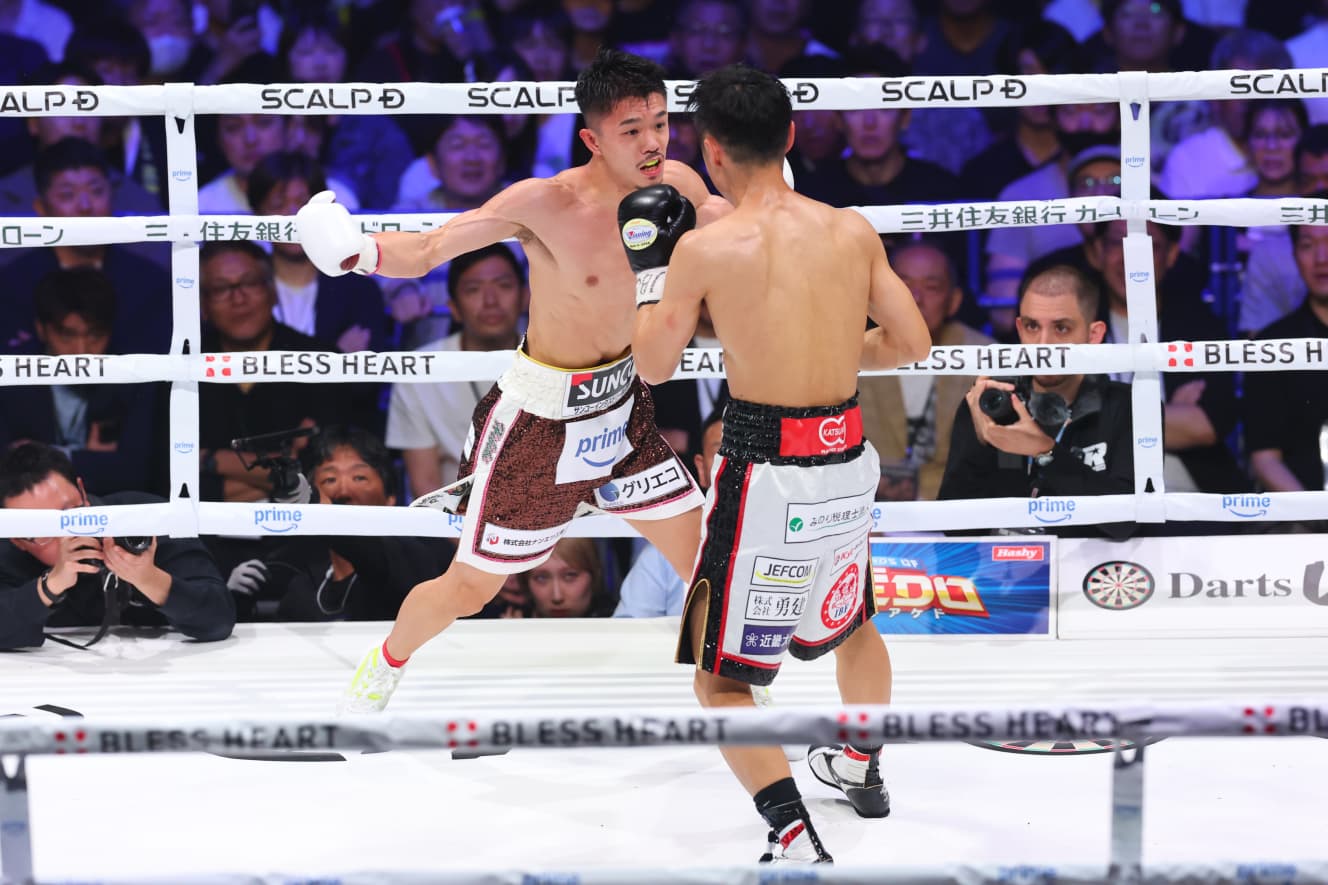
One point that stood out in this fight was that Nakatani was rough around the edges. He missed quite a few punches, something that wasn’t typical of him.
However, according to Nakatani himself, the reason for this unusual performance was that he had injured his left fist around the second round, which affected his ability to land straight punches. He explained this to Del Giudice as well.
“During the third and fourth rounds, Nakatani took some unexpected punches and lost points. It was surprising. Nishida isn’t a powerful puncher, so even though he ate some shots, he probably didn’t suffer any significant damage, which is why I wasn’t overly concerned.
But that style wouldn’t work against Naoya Inoue. If Nakatani tries to fight in close quarters with the Monster, it would negate his advantages. Also, taking Inoue’s punches up close would be incredibly dangerous.”
However, Nakatani doesn’t see it that way. He himself has said, “I knew that in order to break Nishida’s boxing, I had to engage in a slugfest. That’s why I fought that way. It would be foolish to fight Inoue the same way.” I told the American photographer about his perspective.
“I believe Nakatani’s greatest strength in the Inoue fight will be his ability to control the distance. So, I feel reassured. But honestly, the close-quarters battle with Nishida was incredibly exciting to watch. We’re less than a year away from the Inoue fight now. The excitement is building more than ever.
Since both Nakatani and Nishida are southpaws, it’s hard to analyze the tactics from this fight, but the Monster is compact and small in stature, so he will likely try to close the distance and make it a fight up close.
In the unification match at bantamweight, Nakatani exchanged punches in the mid-range, and I was surprised at how much he was hit. Nishida, clearly, isn’t a big puncher like Inoue. But if Inoue could land clean punches like Nishida, what impact would that have on Nakatani?
Nakatani needs to strengthen his defense against the Monster. He should use his distance control to push Inoue outside and then land those powerful punches of his.”
Del Giudice Concludes:
“The fight between Junto and Inoue will definitely take place at Tokyo Dome, right? If I apply for a press pass as a photographer, do you think I could get one? I really want to capture the epic battle between these two legendary champions. Is there any way that can happen?
If it doesn’t work out, I’ll buy tickets as a fan and watch it live… But as a professional, of course, I’d prefer to capture it with my own camera. After all, it’s a pro’s job. I’m not the only one who feels this way. I’m sure every fellow photographer does. It’s a mega fight the world will be watching.”
As I conversed with Del Giudice, I couldn’t help but think: The fight between Naoya Inoue and Junto Nakatani might just become the Japanese version of the iconic Marvelous Marvin Hagler vs. Thomas Hearns showdown.
Both fighters, in their prime, go all out in a battle where they leave everything in the ring. It will undoubtedly go down in history as one of the greatest fights of all time.

Photography and text by: Soichi Hayashi PHOTO: Yohei Nagata/Afro Sports (2nd and 3rd photos)