Vambi Opens Up From Extreme Poverty and Depression to Finding Happiness
The Fastest YouTuber in Japan to Reach 10 Million Followers


“What’s being asked of me” rather than “what I want to do”
The reason I became a YouTuber was because of my band. Originally, I was in a visual-kei band. That band broke up, and while waiting to form the next band, I was looking for a social media platform to keep delivering my presence to fans. At that time, YouTube was just starting to become popular, so I casually started it.
On Twitter, it’s only images. I wanted to deliver videos to my fans. Any SNS where I could upload videos was fine.
My father was an actor. He passed away when I was little, but I remember my mother crying every day while watching videos of my father on stage. It’s a sad memory, but seeing her like that made me think, “Actors are amazing because even after they die, their videos can soothe, encourage, and move people.” Before the band, I aimed to become an actor.
However, for six years from junior high through high school, I kept applying for actor auditions but never got accepted even once. I realized that only kids recognized by the big names in the entertainment world could make their acting dreams come true. So I decided to rise on my own by starting a band. With a band, I could form it myself, and I thought, “If I get lots of fans, those entertainment bigwigs will recognize me.”
But when I started, I realized that to get into popular events or magazines, I still had to be liked by those big shots in the industry. It wasn’t about skill; it was about whether influential people liked you or not. I had to lower my head, which I didn’t want to do. I struggled with these kinds of ties.
Meanwhile, I started YouTube and felt hope, or rather, a sense of purpose. I could have my work judged directly by the audience without going through the eyes of entertainment industry adults. I thought, “An era with no ties has arrived,” and I got hooked.
What gets valued as a YouTuber is the sense of closeness, or making people want to support you—things that weren’t traditionally recognized as talent now get quantified in follower counts. Even without connections in major agencies or being liked by entertainment bigwigs, hidden talents can be discovered.
At first, I shot and edited with just an iPhone. It was really impressive that my life started to change with just one smartphone. No one taught me, so it was all self-taught.
Back then, I liked a YouTuber called “PDS Corporation.” Putting content aside, they were bright, energetic, high-tempo, and silly, and watching them made me laugh. I benchmarked them. I had a weird confidence like, “I’m funnier than these guys.”
I consciously tried to be loud and high-energy when filming videos. I thought about what makes popular people hit with audiences, or why I liked certain people, and I tried to recreate the “liked” parts within myself. However, even though I posted every day, my followers barely grew. I didn’t even reach 10,000. The first year was tough.
Why? Because I was uploading what I found funny. Then I changed my mindset. Instead of doing what I want, I started doing what is demanded.
At that time, “Ghibli meals” were trending on Nico Nico Douga, but they were one-offs. There was demand, but no one was supplying it exclusively. So I switched to an anime cooking specialty channel. Then my follower count rapidly started increasing, hitting about 100,000.
Vamyun reaches one million subscribers
As many of you probably know, when a YouTube channel reaches 100,000 subscribers, you receive a Silver Play Button. They send you an invitation code in English, and after filling out the necessary information, the award is shipped to you via courier after a while.
When I started YouTube, I set many small goals and focused on clearing them one by one. The first goal was the Silver Play Button. When it arrived, the excitement was off the charts. I ended up drinking all night that day!
At that time, my monthly income was around 200,000 to 300,000 yen. I had finally reached the point where I could live off YouTube alone. The next goal was to live alone just on YouTube earnings. Back then, I basically did everything myself—from filming to editing.
I’m not exactly a chameleon YouTuber, but I drastically changed genres. I started with entertainment, then moved to anime, cooking, and even a genderless Korean idol theme. For example, I did only a few Ghibli-themed cooking videos, so I exhausted that niche. Then I switched to a makeup guys channel, which grew to about 500,000 subscribers.
Next, a couple YouTubers became popular. But even if you do a couple videos, you have to differentiate yourself. The theme I came up with was friendship between a guy and a girl. We constantly played with that borderline between dating and just being friends.
Vambi collaborated with many girls, trying out who would make a good partner. The one who stood out the most in views was Yun-chan. When we collaborated, videos would easily get over 1 million views. So I asked her to officially team up with me. That’s how the “VamYun Channel” became the first to surpass 1 million subscribers.
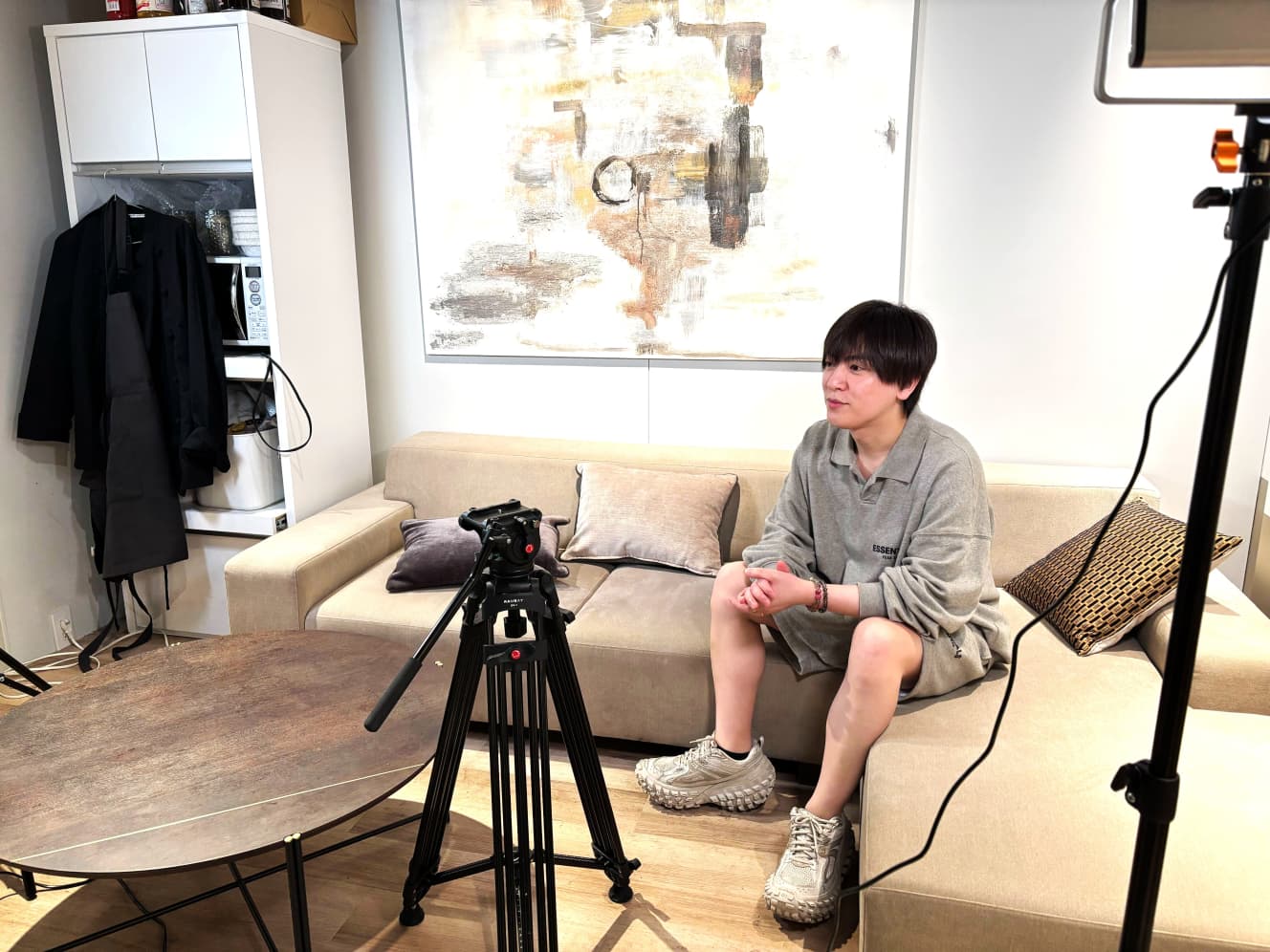
I succeeded with a couple channels, but as my video career lengthened and I entered my late 20s, the teenage audience stopped watching. When that happened, I analyzed what kind of channels lasted long-term, and realized that top YouTubers were supported by elementary school kids. Kids start watching in elementary school, then continue through middle and high school — so their viewing time is long.
So, I switched to a sketch comedy channel for elementary school kids. That also went viral, but then Yun got married and the VamYun channel disbanded. I was thinking about what to do next, and turned my attention to TikTok short videos, which were just becoming popular at the time. It was a nonverbal comedy short video called “Spider-Maaan,” where I dressed up in a Spider-Man costume. With this, I achieved 10 million subscribers faster than anyone else in Japan.
When I was in the band, I painfully realized that if you don’t sell, it’s meaningless. No matter how much you love music and how happy you are doing it, without money you can’t keep the band going.
After becoming a YouTuber, I started thinking, “Why not just focus on getting popular first, then do what you really want to do?” Once you’re popular and have built trust and credibility, I think people will accept it when you say, “I want to try this.”
That’s why I focused on things that would absolutely sell.
“My driving force is the Black Sun.”
I grew up in a single-mother household with six brothers, and we were extremely poor. Not being able to get what I wanted or do what I wanted was a big part of my childhood. My biggest driving force was my sense of inferiority.
When I was in elementary school, the thing I hated most was that people might find out we were poor. But I always wore hand-me-down clothes from my older brothers, and sometimes I skipped lunch because my family couldn’t pay for school meals. Everyone somehow knew. So I’d make excuses like, “I’m not hungry” or “I can’t eat because of allergies.”
Every day I thought, “Why was I born into this kind of family when everyone else seems so happy?” And I swore to myself that I would never let my life end like this. Not in a teenage “chuunibyou” way, but I lived thinking, “If I were the main character in an anime, this might be a hopeless situation now, but it’s just a period where I’m gathering energy to achieve a great success someday.”
I had this mysterious confidence that I would definitely succeed one day. But that confidence was shattered by my failure in the band. I was forced to realize that I wasn’t a genius. There were so many people better than me.
Still, I told myself there was no way I could end it here. Realizing that there’s no longer a world where you can succeed just by doing what you want, I adopted the mindset of “I don’t care what means I use, I’ll do whatever it takes to reach my goal.” My accumulated inferiority complex turned into a huge energy. That ominous, black sun was my driving force.
I also faced setbacks as a YouTuber. I thought about quitting many times.
It’s a world where numbers always matter, so many people get depressed. You often see news about popular YouTubers retiring or taking breaks, right? For example, if you have over a million subscribers and your videos get a million views, the stress comes when those numbers start to drop. Your popularity is always confronted by numbers. It’s painful to have people around you point out when your numbers are falling.
I’d change the title, change the thumbnail. After uploading videos, I’d stick to the analytics screen for 12 hours checking the stats. Being obsessed with numbers, constantly on edge every day, I would wear down. I kept wondering, “How long will these days continue?”
After surpassing 1 million subscribers, my highest monthly income was about 40 million yen. That’s when I realized, “Money can’t buy happiness.” Of course, there were good things too — like being able to tell my mom, “You don’t have to work anymore. I’ll take care of you.” But you get used to that quickly, just like how eating steak every day gets boring.
Even after overcoming the poverty I hated so much and earning many times more than those who once looked down on me, there was still a hole in my heart. Still, even when my body and mind hit their limits, I kept moving forward on my own. That’s what longing feels like.
My dream isn’t just to become a popular YouTuber and make money. It’s to leave a mark in history. I want to become someone people look up to after I’m gone, someone whose path others follow. After my dad passed away, I kept the image of my mom crying while watching videos of my dad on stage deep inside me.
My dream is to be someone who leaves something behind, and I don’t care what path I take to get there. That’s why I did everything — acting, being in a band, YouTube, whatever it took.
Average of 10 million views per video
Right now, I’m very happy. Because I have all three: people, time, and money.
When I was a bandman, I had no money but had friends. Still, I was too busy, so I had no time. The three didn’t come together.
During my YouTuber days, I had money and friends, but was still too busy, so again no time. One of the three was always missing.
The turning point was Spider-Man. After VamYun broke up, I had to take on a new challenge, so I planned to break the fastest Japanese record with Spider-Man.
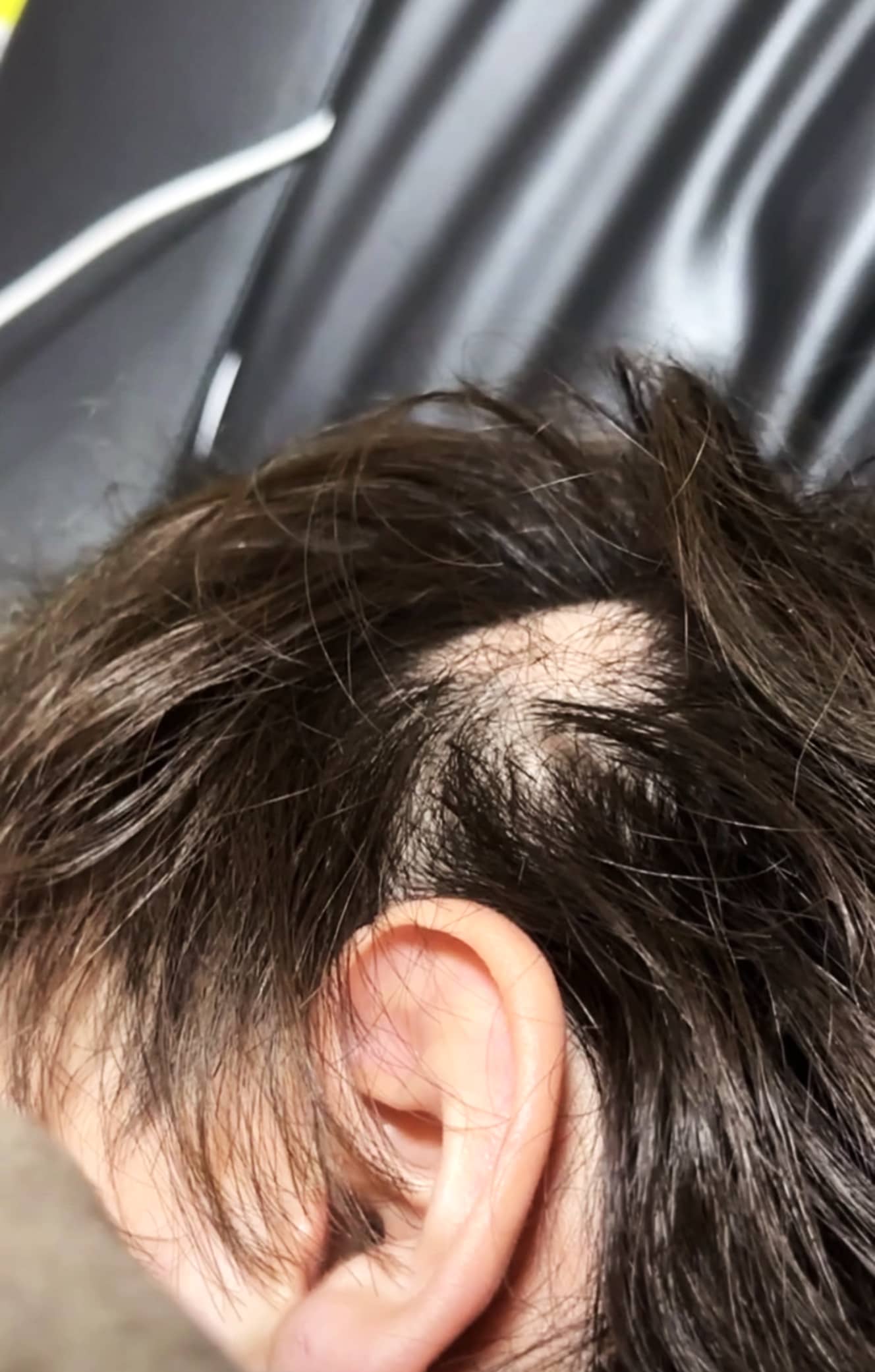
That was when my mental state was at its worst. I developed about seven circular bald spots. I was losing hair all over. I was diagnosed with depression by a psychiatrist, but since I was in the middle of chasing a record, I couldn’t take a single day off. My body was sending alert signals that it was at its limit, but I couldn’t stop. Using the black sun as fuel, I dragged my exhausted body forward step by step.
Many people told me, “Stop, you’ll die.” What supported me were my brothers. One day, on a shooting day, I didn’t come out of my room. I was crying wrapped up in my futon, saying “I don’t want to shoot anymore.” I couldn’t get out of bed.
Then my older brother pulled me out of the futon, took me all the way to Mt. Fuji. He borrowed a car, drove me there, and told me, “When I have problems in life, I go to Mt. Fuji.” I couldn’t stop crying as I looked at the mountain. I promised myself, “Okay, I’ll try one more time.”
I believed, “It’s tough, but surely something awaits ahead.” By achieving the record for the fastest to 10 million subscribers in Japan, my inferiority complex about numbers disappeared.
The feeling that “There are so many YouTubers with more subscribers than me” vanished. It was like a huge weight was suddenly lifted off my shoulders.
My body was honest — even though I was balding terribly, my hair started growing back, and I no longer needed wigs or hairpieces. But—the black sun still exists. My story isn’t over yet.
Spider-Man succeeded without using my looks or name recognition at all. In other words, I succeeded purely with know-how. By focusing on research, account setup, and so on, I created the record.
It wasn’t because I had some special talent — it was because I had knowledge and experience. That made me remember: I’d often been asked, “How can I go viral on social media?”
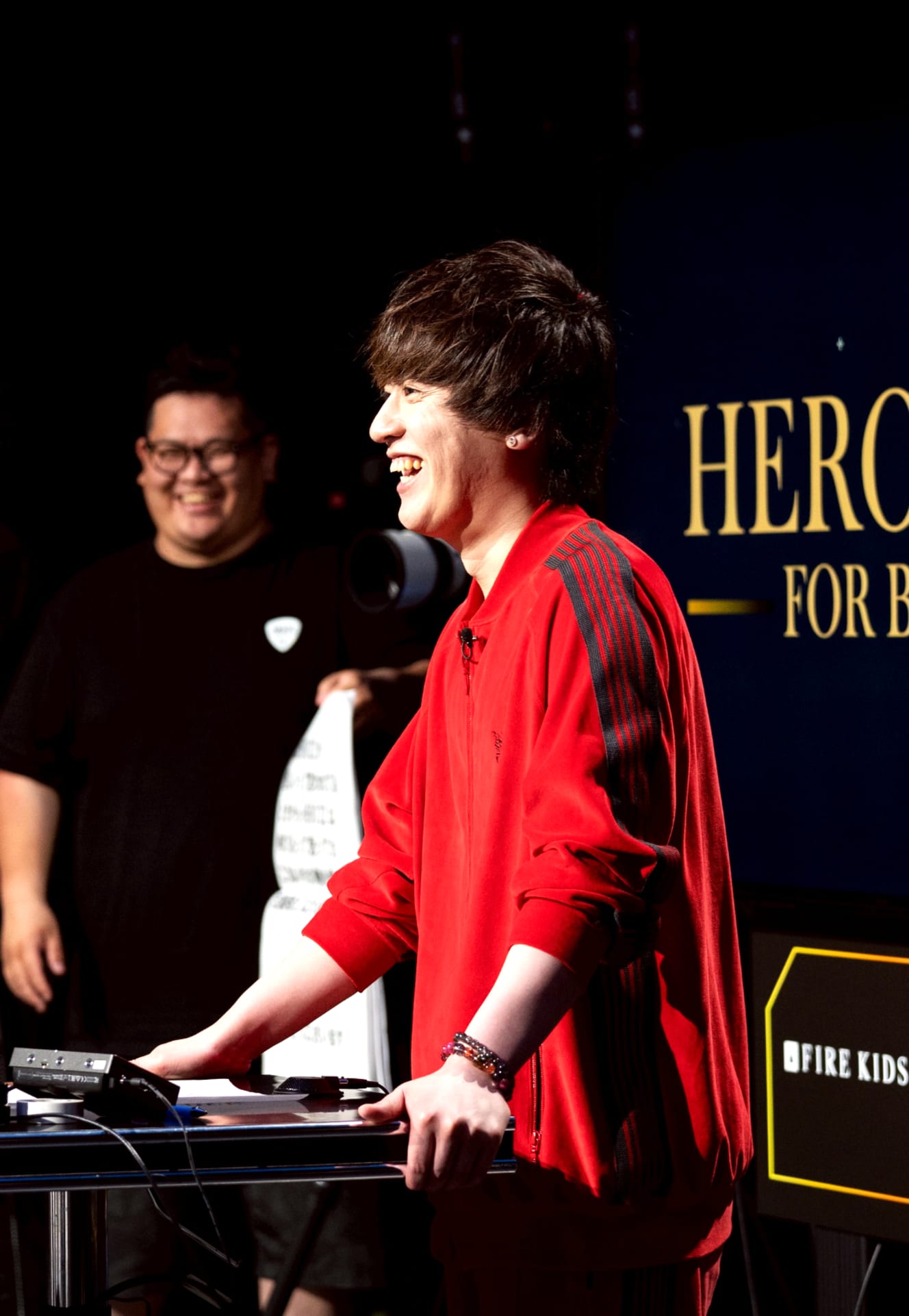
I used to turn down all those requests. But since SNS saved my life, I realized I could save people struggling with numerical inferiority complexes through this knowledge. So I started an influencer training SNS school called HERO’ZZ.

At HERO’ZZ, what we teach are the knowledge and skills to increase your chances of success. We focus on helping students understand what resonates with the public and moves people’s hearts. Those who immediately accept this mindset — saying, “Got it, I’ll try it right away” — grow the fastest by far.
I also emphasize the importance of being open-minded: “What you want to do now is important, but maybe you haven’t found what you truly want to do yet. Perhaps you just haven’t discovered your real talent.” Social media can be a platform where many people realize their dreams, so I want to support that journey.
Creators can work independently and do everything themselves, but when it comes to entrepreneurship, you have to lead and inspire many people. While I understood creativity, I didn’t know much about management. So I started searching for partners and meeting many businesspeople. Through that, I gained a new respect and realized I could also leave a name as an entrepreneur.
If HERO’ZZ produces many stars, then “Principal Vambi” can leave a legacy — maybe even a statue someday. So HERO’ZZ connects directly to my dream of making a mark in history. It’s a way for me to leave my name behind.
There’s another hidden theme behind founding HERO’ZZ. There’s an insanely famous YouTuber overseas named MrBeast. I want to make long-form content overseas like him. But that requires massive funding — too much for an individual YouTuber to cover alone. That’s part of why I decided to build HERO’ZZ as a business.
Next year, “Creator Vambi” and “Entrepreneur Vambi” will merge. The monetization knowledge and experience I’ve gained as an entrepreneur will combine with my creative skills and experience as a creator. I’m planning my biggest challenge yet — aiming for an average of 10 million views per video. No Japanese YouTuber has hit that position yet in overseas long-form content, so I want to claim it.
Until now, I’ve been dragged by the black sun inside me, but as my condition stabilizes and my mental state improves, I believe the time will come when I can use that black sun intentionally — that will be when I’m at my strongest. I want to make that happen next year. My challenge will continue until I die!