Koichi Minato Exits Fuji TV as Hieda Faction Loses Influence


Why Fuji TV decided to sue its former executives
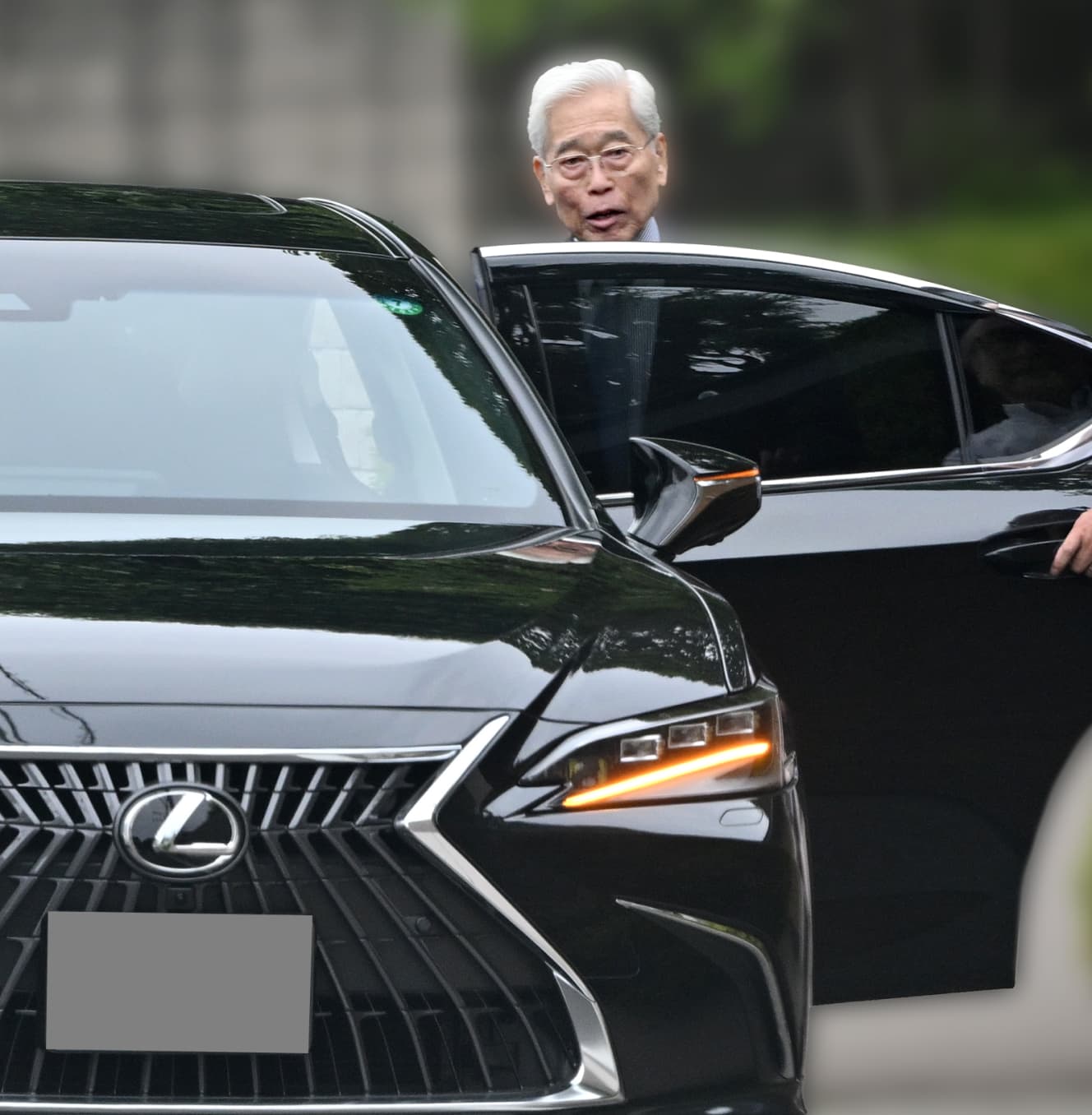
One afternoon in June, shortly after noon, a black Lexus pulled up in front of a luxurious mansion nestled in a quiet, upscale residential neighborhood in Tokyo. Shortly afterward, the front door opened, and an elderly man with white hair slowly emerged—only to immediately turn on his heels and retreat into the house upon spotting the approaching reporter. He did not come out again. The once-mighty aura of the man who reigned for more than 30 years as the ‘Don of Fuji TV’ had completely vanished.
There has been a new development in the ongoing scandal surrounding Fuji Television.
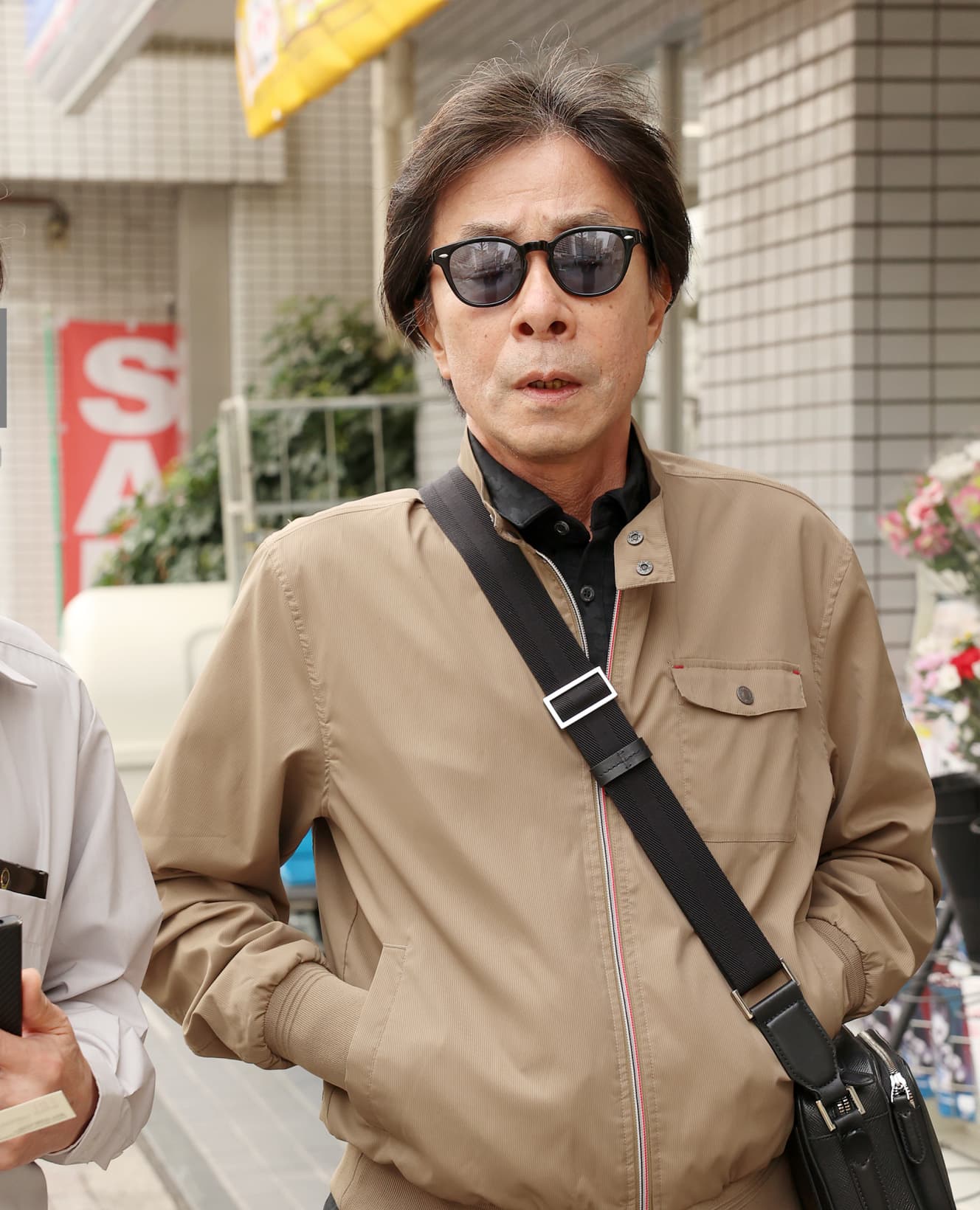
On June 5, Fuji held an emergency board meeting and resolved to file a lawsuit against former President Koichi Minato (73) and former Executive Vice President Ryo Ota (66).
“The company plans to pursue the two for breach of fiduciary duty, claiming that their poor management decisions caused massive financial losses,” said a reporter from a sports entertainment paper. “At the same time, Fuji also announced disciplinary actions against employees involved in the incident. A former programming executive, who allegedly acted as an intermediary between Masahiro Nakai (52) and the female victim, was handed a one-month disciplinary suspension and demoted by four ranks.”
The situation continues to spiral, with Nakai’s side disputing the findings of the independent investigation committee appointed by Fuji. In the midst of this chaos, why did Fuji decide to sue its former leadership now? A current Fuji executive revealed the internal reasoning:
“Nearly 70% of our advertisers are still withholding their commercials. The company has no clear path back to profitability, and morale within the network is at rock bottom. To win back the trust of sponsors as quickly as possible, we had to make a public show of cutting ties with the old leadership—especially former advisor and board member Hisashi Hieda (87). That’s why we’ve gone ahead with legal action against two of his most loyal lieutenants from the Hieda era—former President Minato and former EVP Ota. There were internal objections to the idea of suing a former president, but the current leadership concluded we could no longer afford to worry about appearances.”
Another Fuji employee added bitterly:
“Staff trust in the former executives is close to zero. Back in January, when Minato insisted on holding a press conference without TV cameras, not only frontline workers but also senior managers—and even executive officers who had been close to him—desperately tried to stop him. It was obvious the public would react badly. But he wouldn’t listen and this is the result. Many employees were furious. Some even started leaving the company, saying, ‘I can’t work at a place like this anymore.’ In order to stop the exodus, top management had to take action. The lawsuit is also aimed at calming the growing internal outrage against the old regime.”
From the late 1980s to the 1990s—the so-called bubble era—Fuji Television enjoyed a golden age under the slogan, “If it’s not fun, it’s not TV.” Now, the symbolic pillars of that era—its variety and drama leadership—are being sued by their own successors. One can only wonder what thoughts occupy the mind of the once-feared Fuji “Don,” now secluded in his mansion as the empire he built crumbles around him.
From the June 24/July 4, 2025 issue of “FRIDAY”
PHOTO.: Kojiro Yamada (1st), Takero Yui