Acorn Crop Failure Drives Up Bear Encounter Risks — Latest Prediction Map Released
They appear in supermarkets and restaurants--June is the breeding season, and 11 have already been victimized nationwide! Hokkaido, Yamagata, Miyagi, and Kyoto must be careful!


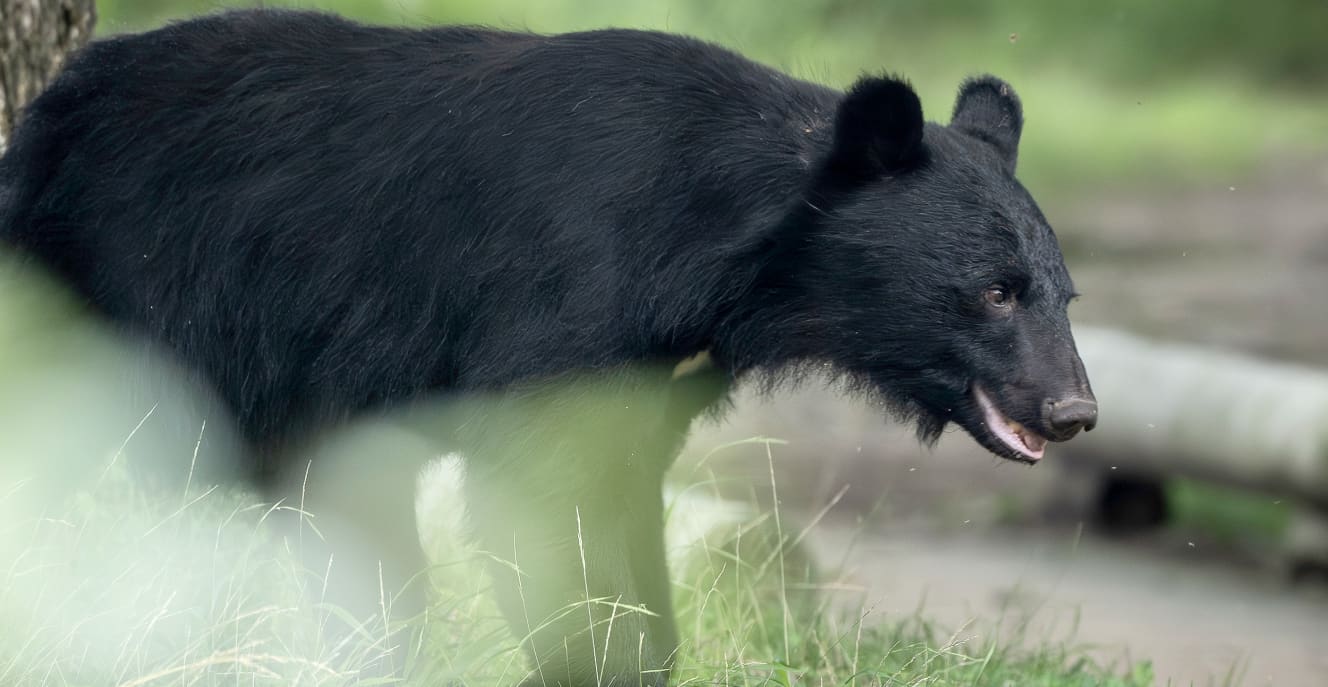
So far, 11 people nationwide have been attacked and injured by bears
Even a fully grown brown bear (higuma) over 2 meters long can be completely hidden when lying low in knee-high bushes, making it very difficult to tell where it is. Hunters themselves make rustling sounds walking through bushes, but bears can move silently, almost like ghosts, approaching quietly. When they get within about 10 meters, they start to threaten with low growls. Hearing this growl means you must prepare yourself—even if you’re armed with a gun—that you might get attacked.
A veteran hunter from a hunting association branch in Hokkaido recalled this terrifying experience of facing a brown bear.
Encounters with bears are no longer limited to hunters in the mountains. Nowadays, in many parts of Honshu, encounters with Asiatic black bears (tsukinowaguma) are increasingly frequent, and in all of Hokkaido with brown bears (higuma). Professor Kiwazu Sato of Rakuno Gakuen University says:
“The estimated population of brown bears in Hokkaido is now about 12,000, roughly double what it was 30 years ago.”
Meanwhile, Honshu is home to 60,000 to 100,000 Asiatic black bears, and their distribution area expanded 1.4 times over 15 years until fiscal 2018. Clearly, vigilance toward bears is essential.
Indeed, since spring began, reports of sightings of both brown and black bears have been coming in almost daily. According to preliminary figures from the Ministry of the Environment, by the end of April, 11 people nationwide have been attacked and injured by bears.
Despite the alarming situation, which areas are especially dangerous? Using a predictive map created with experts’ cooperation, let’s examine this.
There are three key points to consider for when bears are likely to appear:
1. Areas with a high number of bears born two years ago. Kazuhiko Maita, chairman of the NPO Japan Asiatic Black Bear Research Institute, who has studied Asiatic black bears for 50 years, explains:
“By continuously recording mother-and-cub bears in Kazuno City, Akita Prefecture, a trend emerged: large outbreaks of bear appearances occurred in the year those cubs, born in large numbers, had grown into adults over 1 meter tall. Recently, in 2023, many bear sightings occurred, and two years prior in 2021, six mother-and-cub groups—more than three times the usual number—were observed. In Kazuno City, seven mother-and-cub groups were spotted in 2023, so this year is predicted to be a dangerous one.”
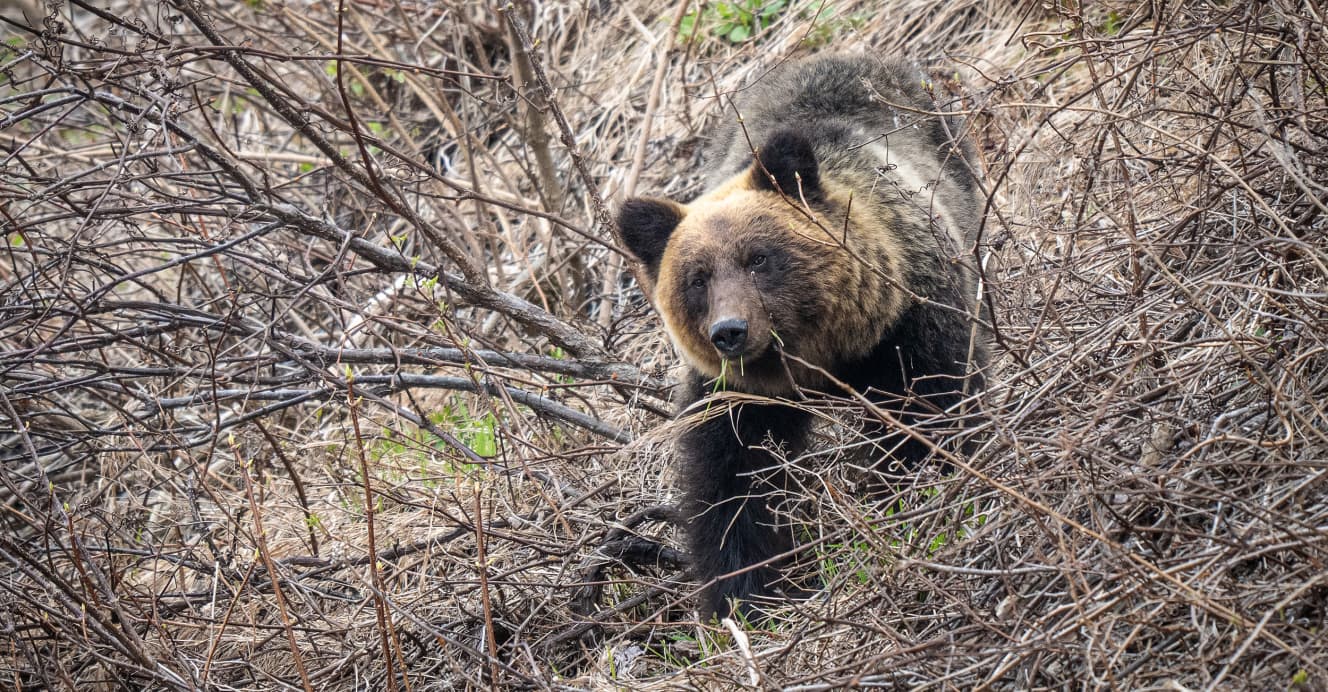
They are even advancing into urban areas
The second key point is that terrain such as rivers and thickets, where bears can move without being noticed by humans, extends into urban areas. A representative example is Sapporo City in Hokkaido, which has a population approaching two million. Professor Sato, mentioned earlier, explains:
“In 2021, a brown bear wandered into a residential area in Higashi Ward along the Fushiko River in Sapporo and attacked residents. Similarly, the Kotoni River runs through the city and connects to the Hokkaido University campus in the city center, which is also surrounded by residential neighborhoods. The riverbanks have plenty of greenery where brown bears can hide, so it’s not surprising if they enter the city center of Sapporo by following these natural corridors.”
The third key point concerns regions where poor acorn harvests are expected.
“There is a cycle of good and poor harvests for acorns from beech trees, which bears rely on for wintering and breeding. This year in the Tohoku region, a poor harvest is anticipated,” says Mr. Yoneda, also mentioned earlier.
Poor acorn harvests directly cause food shortages for bears, leading them to rely on human settlements for food, creating settlement-dependent bears. Yoneda reveals areas he views as dangerous:
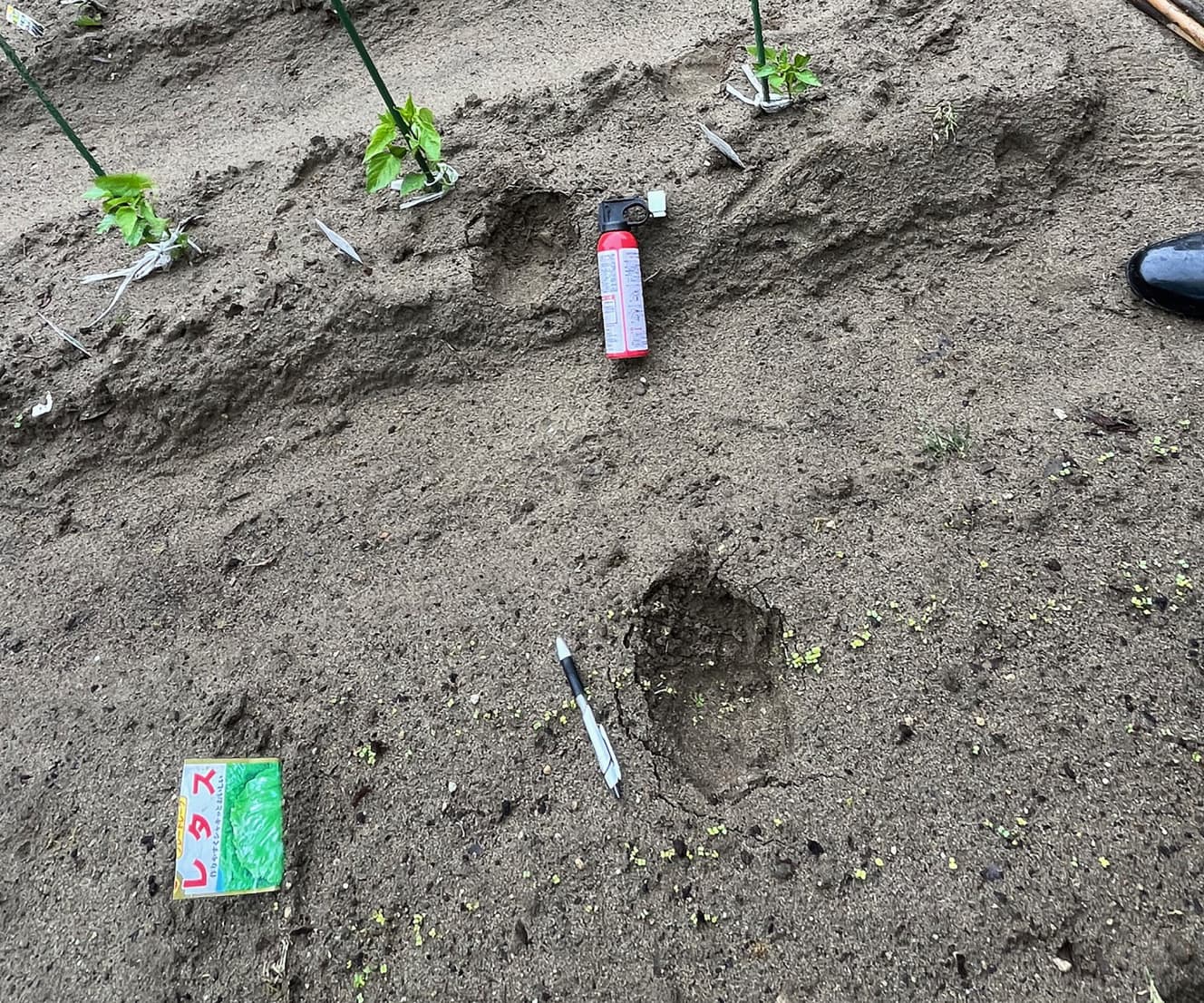
“In Shinjo City, Yamagata Prefecture, a bear was spotted and captured in Mogami Park in the city center in February this year. The park had become part of the bear’s habitat. Similarly, bears have been sighted in Mizunomori Park in Sendai City, Miyagi Prefecture. Because there are green areas, the bears have made these places their territory. Bears are advancing very close to human living spaces.”
Once bears settle near human habitations, they can appear in unexpected places. Professor Sato warns:
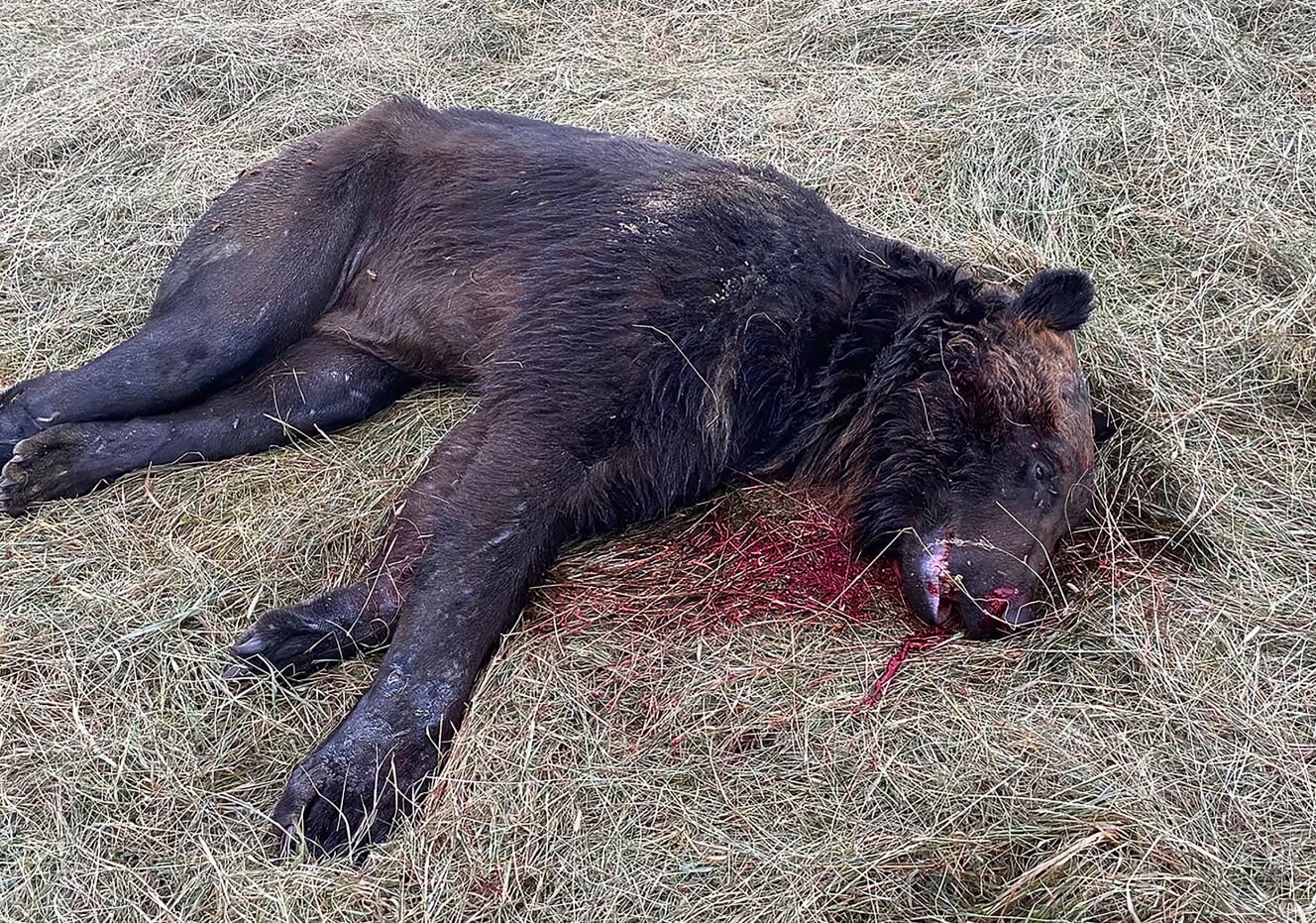
“When bears come into human living areas, they panic and desperately look for places to hide, such as dim storage sheds or warehouses. In April 2024, a mature Asiatic black bear barricaded itself inside a warehouse at the restaurant ‘Hakkakutei’ in Fukuchiyama City, Kyoto Prefecture.”
In November of the same year, a bear entered the supermarket “Itoku” in Akita City while it was preparing to open and stayed inside for two days. Even places with heavy human activity cannot be considered safe.
Since the upcoming season is the breeding season, Professor Sato stresses that even greater caution is necessary.
“May and June are the bear breeding season. To avoid encounters with aggressive male bears in the forest, female bears with cubs desperately protect their young and tend to stay near human settlements. This increases the chances of encounters with people.”
What kind of bear countermeasures are being taken in regions identified as dangerous? Inquiries to local governments revealed responses such as subsidies for purchasing electric fences (Sapporo City) and plans for training administrative staff and hunters to respond to urban bear appearances (Kyoto Prefecture responding for Fukuchiyama City). Akita City reportedly lends bear bells to all elementary and junior high school students.
In addition to these measures, local governments are issuing warnings to residents, acknowledging that bear appearances are unavoidable. However, the expression of a veteran hunter mentioned earlier is grim.
“No matter how careful you are, if you encounter a bear, your life is not guaranteed. Bears will fight back even if hit by a bullet once. How are unarmed civilians supposed to protect themselves? I want people to understand that facing a bear is like fighting an elite special forces soldier.”
There is no place that is absolutely safe. Facing the approaching bear crisis, it is essential to do everything possible to avoid risks.

From the June 20, 2025 issue of “FRIDAY”
PHOTO: Shinnosuke Futagami (1st and 2nd photos) Courtesy of Akita City (4th photo)