Former Senior Officer Reveals Little-Known Strengths of JMSDF Submarines as Key Counter to China


Kaiji Kawaguchi’s Chinmoku no Kantai (The Silent Service) — a massive hit with over 32 million copies sold — tells the story of the nuclear submarine Yamato, which the real Japan Maritime Self-Defense Force does not possess, and its captain, Lieutenant Commander Shiro Kaieda, who breaks away from Japanese command. More than 20 years after the manga ended, a live-action film was released in 2023, and a sequel is scheduled to premiere on September 26 this year.
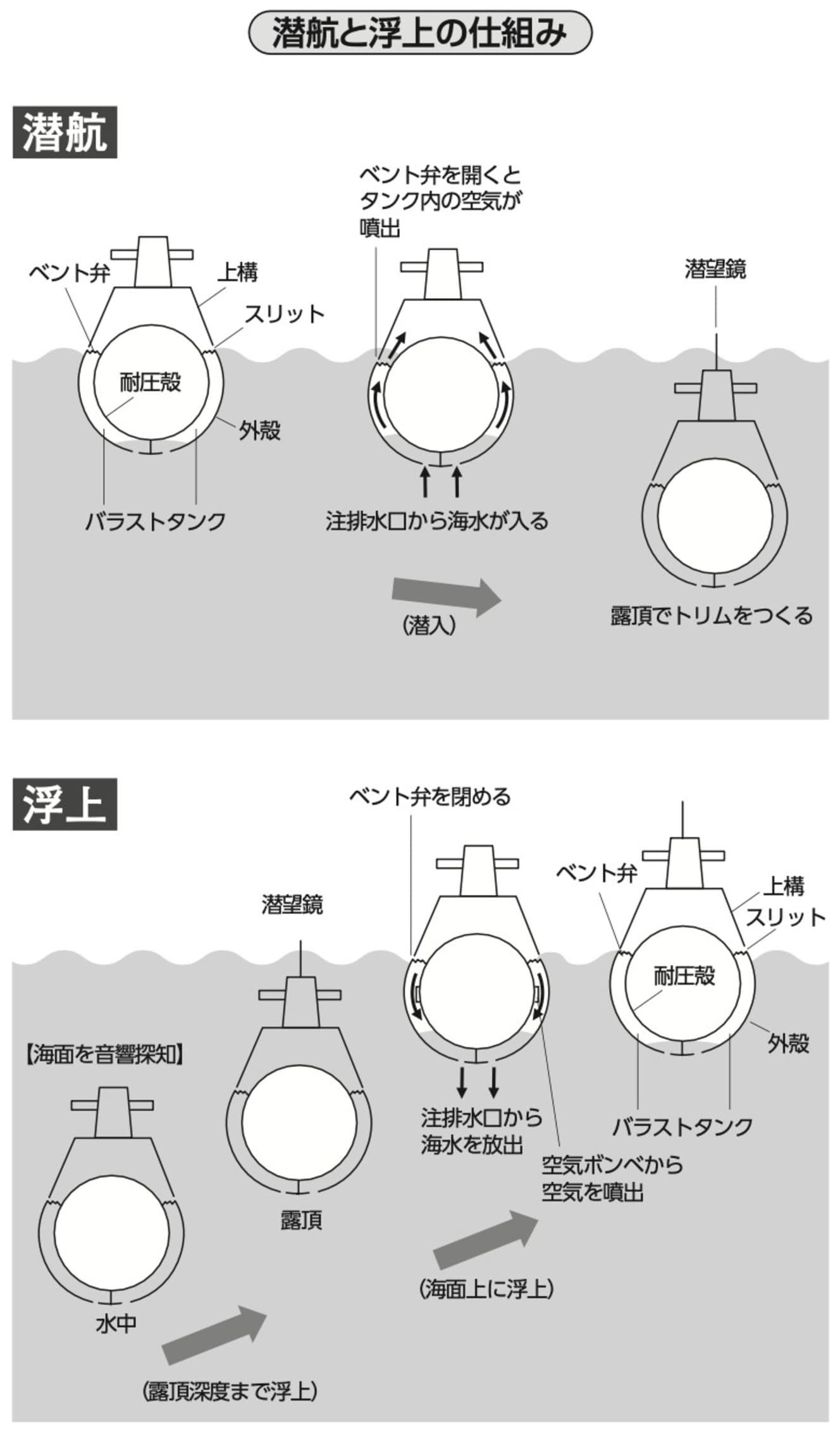
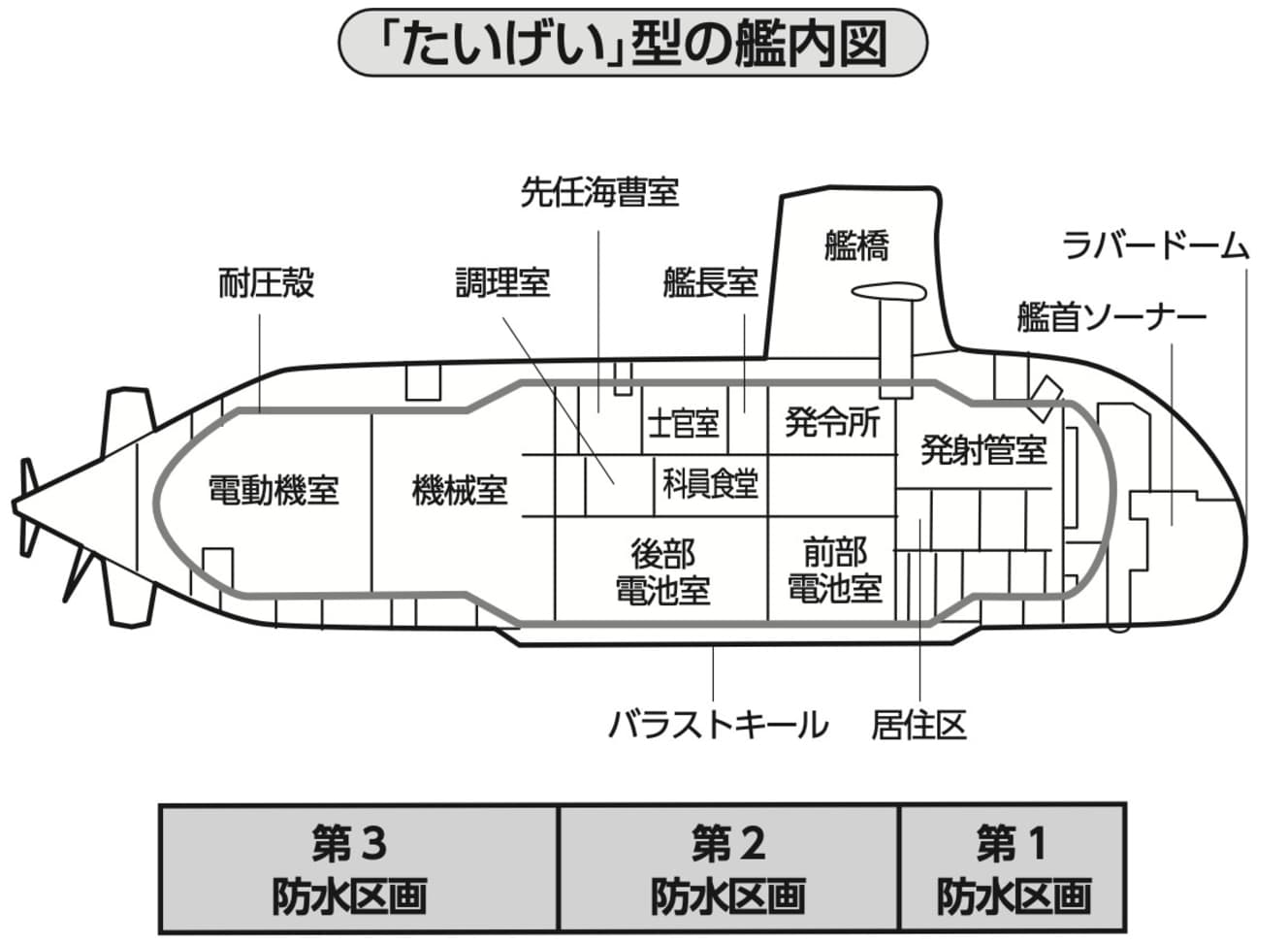
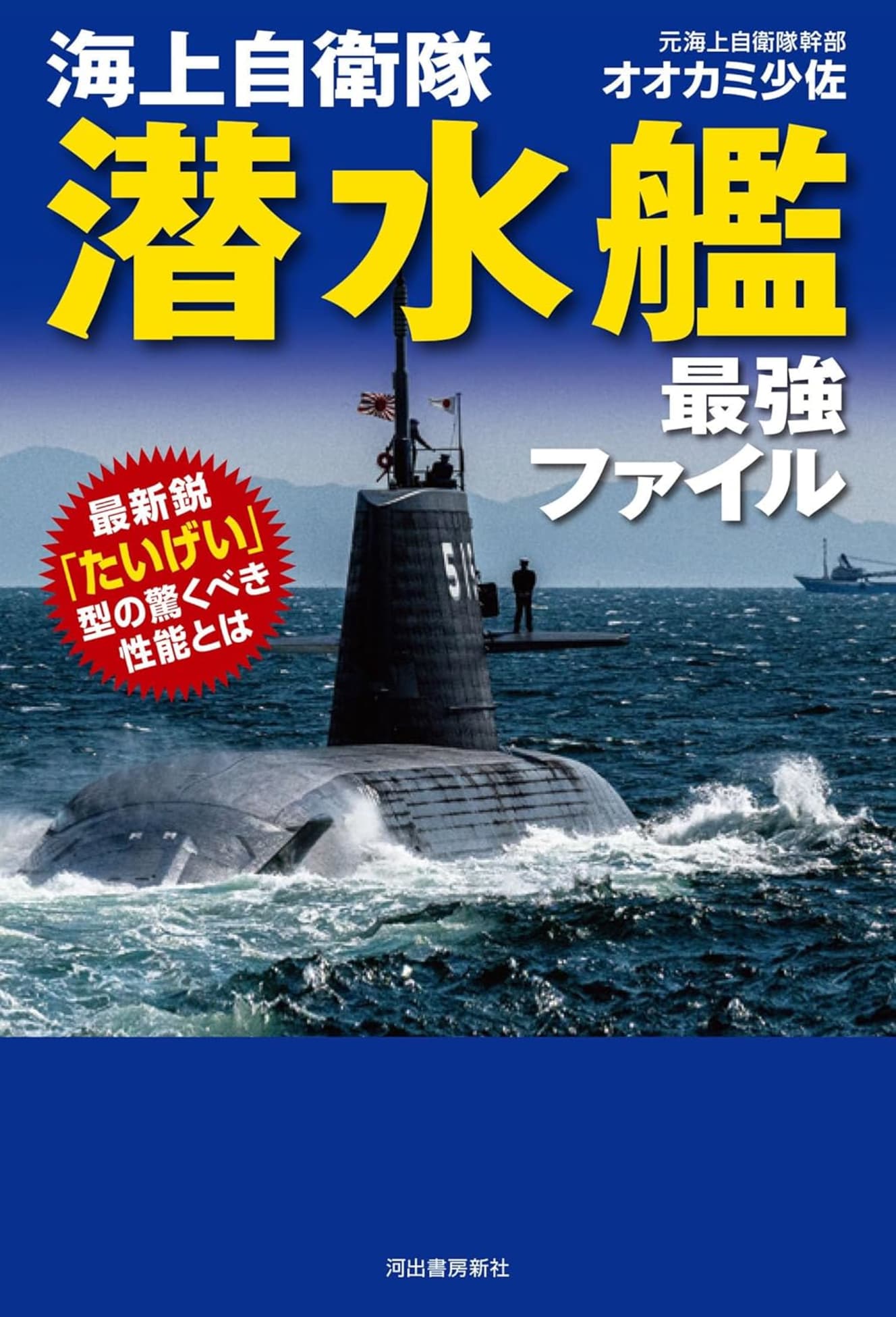
Submarines, which have few works serving as their motif to begin with, raise questions: what are their actual uses, and what mechanisms allow them to dive? The recently published book Kaijō Jieitai Sensuikan Saikyō File (Japan Maritime Self-Defense Force Submarine Ultimate File), written by former JMSDF officer and YouTuber Major Ōkami (published by Kawade Shobō Shinsha), thoroughly covers the little-known facts about submarines. We interviewed Major Ōkami about the book.
What determines the superiority or inferiority of a submarine?
“‘The Silent Service’ is a favorite work that I was completely absorbed in during middle school. After actually serving as a Maritime Self-Defense Force officer, I see some points to critique, but I believe this work was very useful for helping people understand the Self-Defense Forces and submarines,” said Major Ookami (all following comments are his).
On the other hand, he adds, “There are also parts that give a mistaken image.” Sharing such lesser-known knowledge is also what motivated him to start his YouTube channel.
“When expressing submarine performance in terms of diving depth or speed, readers may find it easier to imagine, but the superiority or inferiority of a submarine depends on the intended use. If I had to say, quietness and detection ability—how well it can avoid being found and how well it can find the enemy—are what matter most.
Regarding Japan’s submarines, their primary purpose is to counter enemy submarines. Simply put, their mission in the waters near Japan is to restrict the actions of enemy vessels, especially submarines. Submarines are weapons suited for ambush, and conventional submarines dedicate most of their capabilities to ambush.
The so-called choke points in Japan’s nearby seas—such as the Soya Strait, Tsugaru Strait, Tsushima Strait, Osumi Strait, and recently highlighted areas around Okinawa Main Island to Miyako Island—are especially important because access to the Pacific Ocean requires passing through these. Even just making the enemy think there might be a submarine lurking here forces them to prepare for anti-submarine warfare and restricts their movements.”
What is the difference between a nuclear submarine and a conventional one?
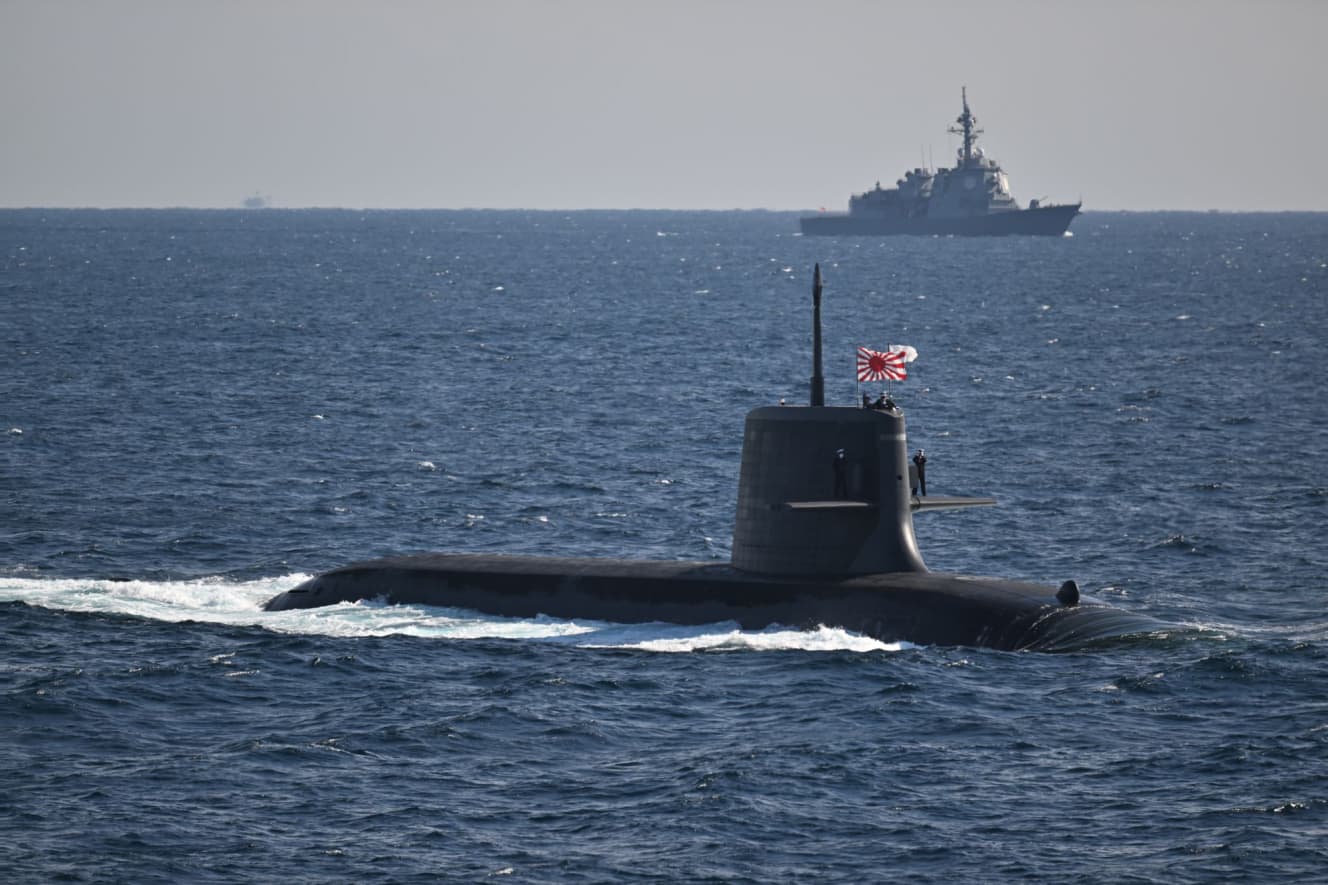
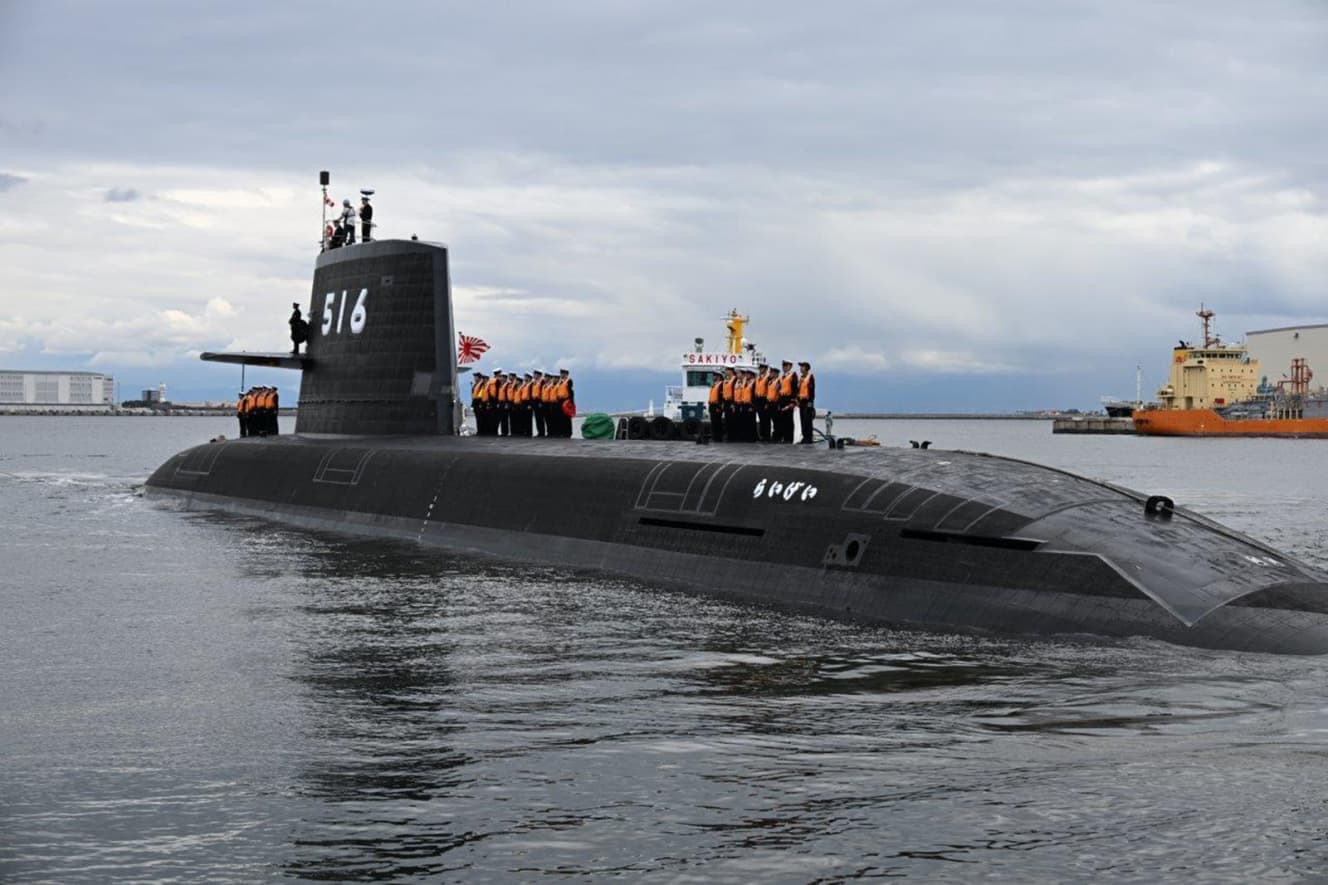
In Silent Service, the “Yamato” that appears is a nuclear submarine, but the submarines currently operated by the Japan Maritime Self-Defense Force are conventional submarines. These use diesel engines to generate electricity, which is stored in batteries and used to drive motors underwater, enabling submersion.
To run the diesel engines of a conventional submarine, it must surface to a shallow depth near the surface and extend a tube called a snorkel above the water for air intake and exhaust. However, this is done while the submarine remains submerged to avoid detection, and the frequency is kept to a minimum. To avoid being detected, communications are also minimized as much as possible. On the other hand, nuclear submarines generate power through nuclear reactors that do not require air intake or exhaust, so they do not need to surface near the surface for air and can stay submerged indefinitely. Which one has superior capabilities? Even amateurs are interested in this.
“If they fought one-on-one, the nuclear submarine had the advantage. First, why is the nuclear submarine stronger? Because it has no limitations on power. In reality, about three months is the limit, but as long as the crew inside do not fall ill, it can stay submerged almost indefinitely.
In contrast, the limit for conventional submarines depends on the generation and speed of the submarine but is around several days to a few weeks. The latest models have lithium-ion batteries with larger capacity, so they have improved. In training exercises, conventional submarines sometimes win, but in a scenario with unlimited time and range, where the fight continues until one sinks. I think that is a more realistic rule, and in that case, the nuclear submarine has an overwhelming advantage.”
The reason why the Self-Defense Forces do not have nuclear submarines
So then, why hasn’t the Self-Defense Forces introduced nuclear submarines? Is it largely because of public aversion to nuclear power generation?
“That’s part of it. And beyond that, it’s really about cost. For submarines whose main purpose is to engage enemy vessels, the construction cost for a nuclear submarine is about 400 billion yen — roughly five to six times the 70 billion yen needed for a conventional submarine. On top of that, they require about twice the crew.
Also, a typical nuclear submarine needs to be cut in half about once every ten years to replace its nuclear fuel, which is extremely dangerous and costly. When it’s time to decommission the submarine, the disposal costs are similar to dismantling a nuclear power plant’s reactor. It would be difficult to field a sufficient number of such submarines. Unlike the U.S., Japan only needs to defend its nearby waters, so until now there hasn’t really been a benefit to having them.”
That said, this is only until now. In some circles, there are voices calling for the operation of nuclear submarines.
“Right now, the Ministry of Defense is conducting research on equipping submarines with vertical launch systems (VLS) to fire ballistic missiles. Basically, the larger the missile, the more powerful and farther it can fly. While VLS can be installed on conventional submarines as well, nuclear submarines are generally larger and, thanks to their ability to stay submerged indefinitely (making them hard to detect and less vulnerable to enemy attacks), are better suited for carrying VLS. If the necessity for submarines to carry out land-attack missions increases, there might be growing calls to introduce nuclear submarines.”
Technology cultivated over 100 years since the days of the former Imperial Japanese Navy
China is currently considered Japan’s primary hypothetical adversary. Over the past 30 years, China’s defense budget has increased more than 30-fold, reaching 36 trillion yen. In contrast, Japan has operated with a defense budget of around 5 trillion yen until recent years and has thus fallen behind. It’s not simply that China’s military capability has overtaken Japan’s — its activities have also grown increasingly active. Even so, the Japan Maritime Self-Defense Force’s submarines are said to maintain an advantage against this growing Chinese threat.
“In the past 20 years, China’s military capabilities have surpassed those of the Self-Defense Forces. That includes air power and surface vessels. However, submarine capability is different — it’s not something you can easily strengthen. Even if you managed to get the blueprints for the latest submarine and poured money into it, that wouldn’t be enough. The same goes for the materials used to build submarines.
A submarine’s pressure hull, which allows it to dive deep, must be perfectly circular to withstand high water pressure. The materials for that need to be soft enough to be shaped into a perfect circle, yet strong enough to endure immense pressure — conflicting qualities that must be reconciled. Achieving this requires high-level materials science research and processing technology from the foundational stages. Without skilled human expertise, it’s impossible.
As for the equipment inside, if any components touch each other, it could cause malfunctions and generate noise, which submarines desperately try to avoid. Therefore, millimeter-level adjustments are required when installing equipment, and this too demands a high level of skill. In that sense, a submarine is a crystallization of a nation’s industrial strength.”
Such know-how isn’t something that can be acquired overnight. Japan’s submarine technology has been cultivated and preserved over 100 years, from the days of the Imperial Japanese Navy, and not only by major corporations like Kawasaki Heavy Industries and Mitsubishi Heavy Industries, but also by thousands of related domestic companies. And this capability isn’t limited to construction alone.
“It’s not just about the hardware — the skills of the submarine crews are equally important. Without highly capable submarine crews, even the finest submarines won’t reach their full potential. Think of Captain Kaieda in Silent Service, who outmaneuvered his opponents — that level of skill is required. But nurturing those people takes a long time.”
China, for its part, continues to struggle with the expansion of its submarine forces and remains two to three generations behind U.S. submarines. Japan’s Maritime Self-Defense Force submarines are one of the few forces capable of countering China. Since Japan is outnumbered, it must compensate with superior quality.
In the current environment surrounding Japan, the importance of the Maritime Self-Defense Force’s submarines continues to grow.