Japan Approves CBD for Medical Use: Legal and Addiction Facts Explained


Cannabis components legalized!? Supplements are also rapidly appearing
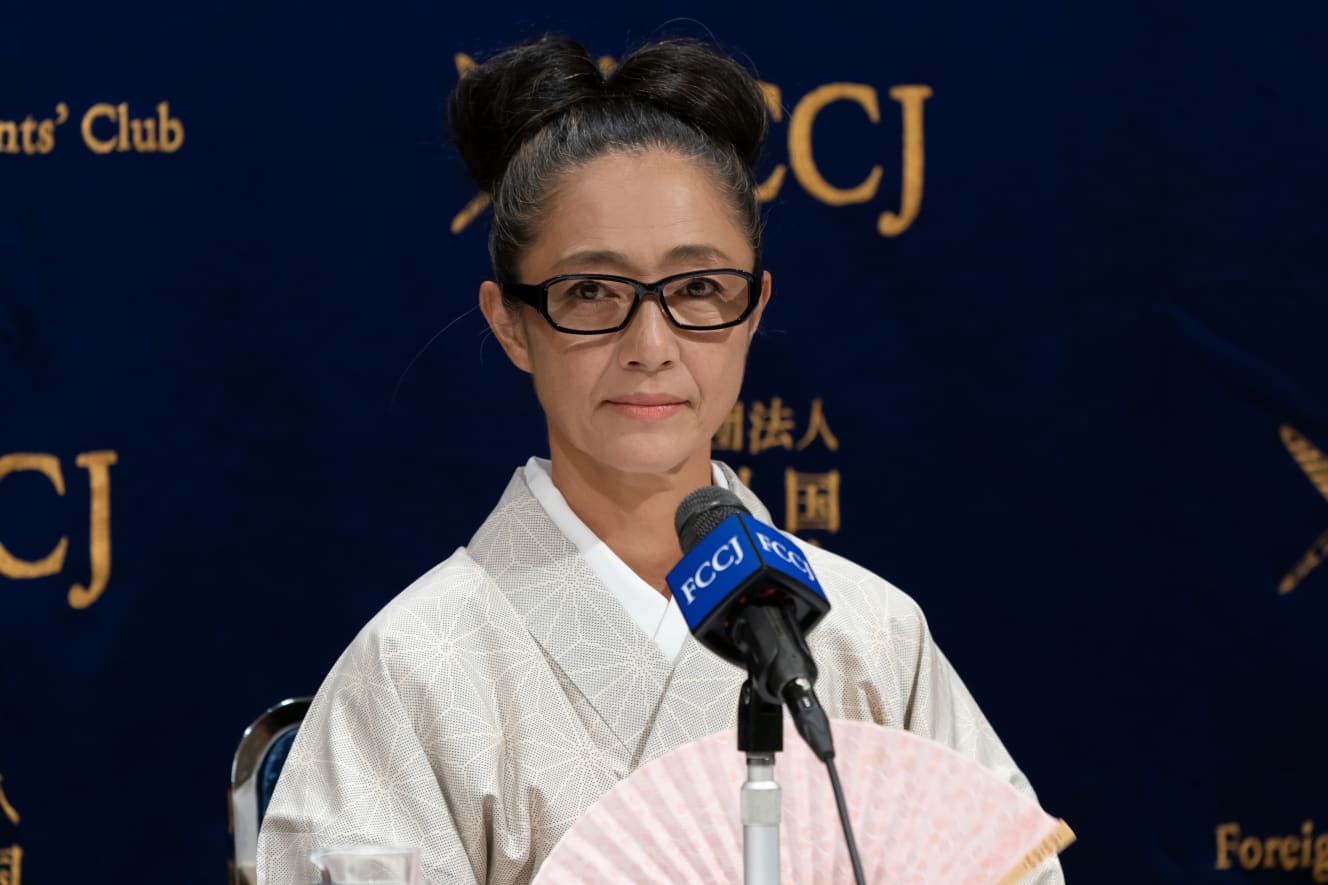
“With this recent legal revision, it can be said that Saya Takagi’s claims have been proven correct.”
This is what Dr. Yuji Masataka, a neurologist well-versed in medical cannabis, said.
The law revision in question refers to the two-stage amendment and enforcement in December 2024 and March 2025 of the Cannabis Control Act and the Narcotics and Psychotropics Control Act. These changes have altered the legal treatment of cannabis, and major pharmaceutical companies have started releasing supplements containing CBD (cannabidiol).
Dr. Yuji Masataka has a unique background: he once ran for election advocating for medical cannabis legalization and is closely acquainted with Saya Takagi, a former actor who was arrested for violating the Cannabis Control Act. He also has a career as a rapper, having released two collaborative songs and music videos. He is a neurologist.
“In a past survey I conducted on medical cannabis awareness among doctors, it was shown that Saya Takagi’s activities had more benefits than drawbacks. I visited Ishigaki Island, where she lives, to report the findings, which marked the beginning of our relationship,” said Dr. Masataka (same below).
CBD (Cannabidiol) is a compound derived from the cannabis plant that has been attracting attention for its ability to alleviate various ailments such as insomnia, depression, and pain. However, because of the word cannabis, there are many concerns about its legality, addiction potential, and safety.
What has changed due to the legal revision?
“The cannabis plant contains over 160 compounds unique to it.
The most abundant is THC, which has a distinctive intoxicating effect and is regulated in Japan. On the other hand, the second most abundant compound, CBD, has no intoxicating or addictive effects and has been legal even before the revision.
This time, regulations concerning CBD have been revised.
The major change is the shift from regulating cannabis based on the part of the plant to regulating it based on concentration of compounds.
Until now, under the Cannabis Control Act established in 1948, CBD extracted from the stalks and seeds was considered legal, and regulations were based on the plant part from which the compound was derived. With the recent legal revision, regulation is no longer based on the plant part but on how much THC content is present — that is, regulation based on THC concentration.”
Overseas, legalization and deregulation of cannabis have advanced ahead of Japan. In countries like the U.S. and Europe, where CBD use is integrated into daily life, regulation is based on THC concentration, and Japan has now followed this model.
Supposed to be CBD deregulation but rules are even stricter than global standards
In Japan, amid growing use of CBD products for health and beauty purposes and increasing demand for medical cannabis, the law was revised. It was hoped that clear regulations would increase the circulation and availability of CBD. However,
“The regulations have actually become stricter than before with this legal amendment. While CBD products contain trace amounts of THC, the allowable THC concentration in the U.S. is under 0.3%, but in Japan, the limit for oil and powder types like CBD oil and powder is set at just 0.001% (※1).
Depending on the product type, water-soluble types such as drinks have an even stricter limit of 0.00001%, which is extremely strict compared to global standards. Products exceeding these limits cannot be sold.”
From a safety standpoint, stricter limits provide peace of mind. But if the goal was to make CBD more accessible, that’s not the case.
“Importing high-quality CBD from overseas now requires additional refinement and testing to remove THC due to Japan’s stricter rules. These extra steps could lead to higher costs being passed on to consumers.”
On the other hand, the legal revision also marked a step forward. Previously, Article 4 of the Cannabis Control Act prohibited the administration of medicines containing components extracted from cannabis plants, but now medical use has been approved.
“Medical cannabis is legally used in about 50 countries and regions. In Japan, the use of medical cannabis has not been permitted at all. With this change, it is now legally allowed, and research is underway. Going forward, after demonstrating its effectiveness as a medicine, it is expected to be covered by insurance for conditions such as cancer and intractable diseases.”
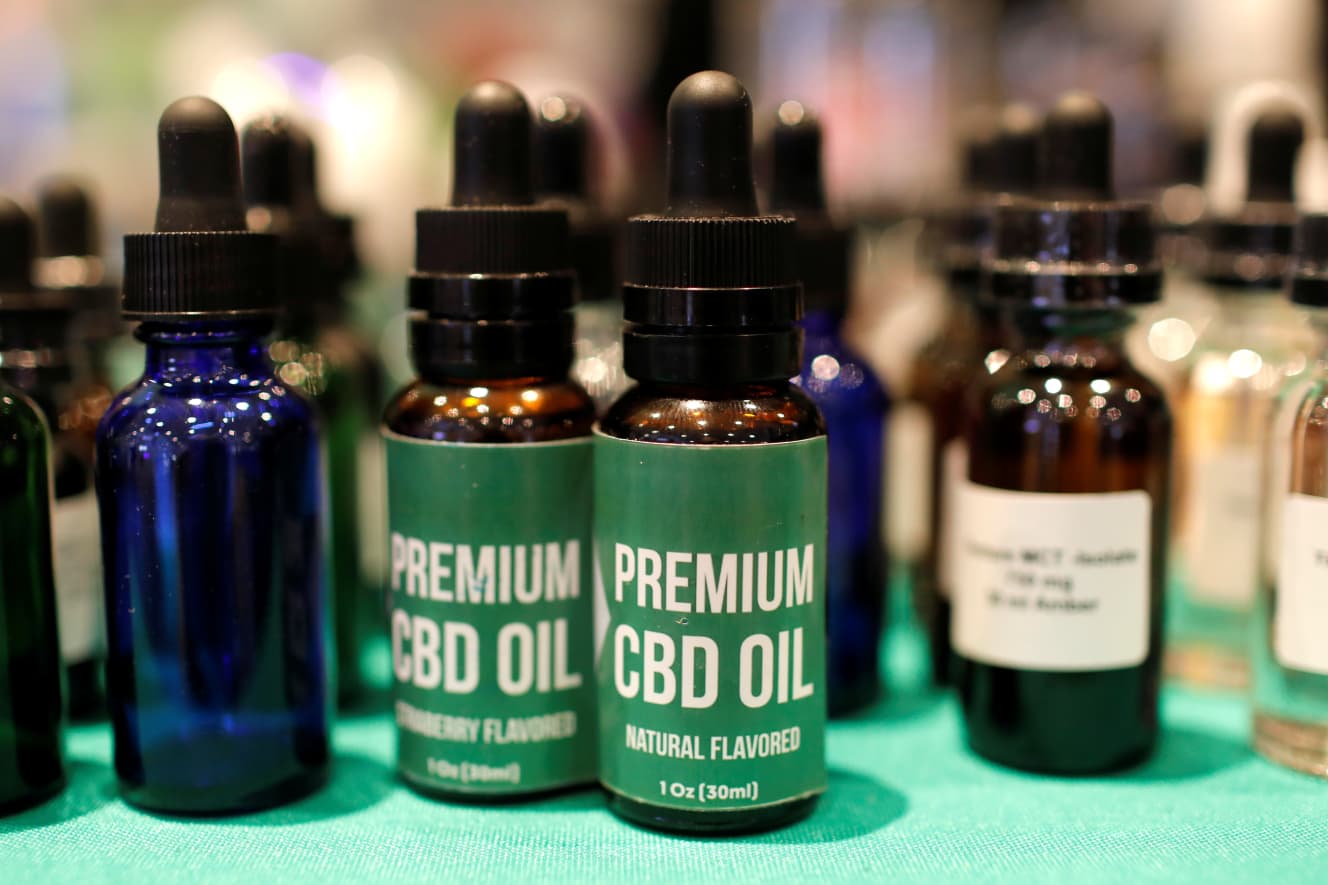
It’s also true that, riding the boom, suspicious products have been circulating, and there are overpriced items as well
CBD has only begun gaining attention in Japan in recent years, but in Israel, its effectiveness in suppressing seizures in treatment-resistant epilepsy was reported as early as 1980. Beyond epilepsy, it has relaxation effects and helps care for numerous physical and mental ailments. Among these, it is especially effective for mental health issues such as insomnia, anxiety, depression, and mood swings.
“There is a neurotransmitter in the human body called the endocannabinoid system, which is very similar to cannabis components. It acts like the body’s self-regulation system. CBD supports the endocannabinoid system and helps balance the mind and body. That’s why it alleviates various mental and physical symptoms, not just one specific issue.”
CBD products include oils dropped under the tongue and swallowed, foods, drinks, and vaping devices called Vapes. It is recommended to choose products according to your symptoms and goals.
“Riding the CBD boom, it’s true that suspicious products and overpriced items have appeared. Currently, the price for CBD oil is about 3 to 5 yen per milligram of active ingredient. Products such as CBD pillows, wearables, and shampoos advertised as good for sleep do not allow absorption of the active ingredient, so pharmacological effects are not expected. Be cautious when purchasing online.
Many mental health issues start with mild insomnia symptoms, such as trouble falling asleep or waking up during the night. Once mental health deteriorates, it takes time to return to a healthy state. Before that happens, make CBD a regular habit and aim for a body that doesn’t get sick.”
Yuji Masataka, neurologist. From 2017 to 2019, he was affiliated with the Department of Neurology at Kumamoto University. Known as a medical cannabis doctor, he researches clinical cannabinoid medicine. He established Green Zone Japan, a nonprofit organization to disseminate medical cannabis information based on scientific evidence, and conducts awareness activities. He is a co-researcher in the 2024 Ministry of Health, Labour and Welfare special research project on cannabinoid pharmaceuticals and product pharmacovigilance. He serves in the Japanese Society of Internal Medicine, the Japanese Clinical Cannabinoid Society (vice chairman), and the Japanese Epilepsy Society (councilor). Author of A Doctor’s Talk on Cannabis and CBD (Saizusha).
■ Dr. Masataka’s X: Yuji Masataka a.k.a. MASATAKA, The Medical Cannabis Doctor, is here.
Interview and text by: Yoko Nemmochi
Born in Yamagata Prefecture in 1983, Yoko Nemochi worked for 10 years in the editorial department of a health information magazine, editing monthly magazines and web media before becoming a freelance writer. Currently, she interviews, plans, and writes about doctors and specialists, focusing on healthcare and medical fields.
PHOTO: Afro