Japan’s Self-Medication Boom Fuels Overdose Crisis
An active pharmacist sounds a warning bell


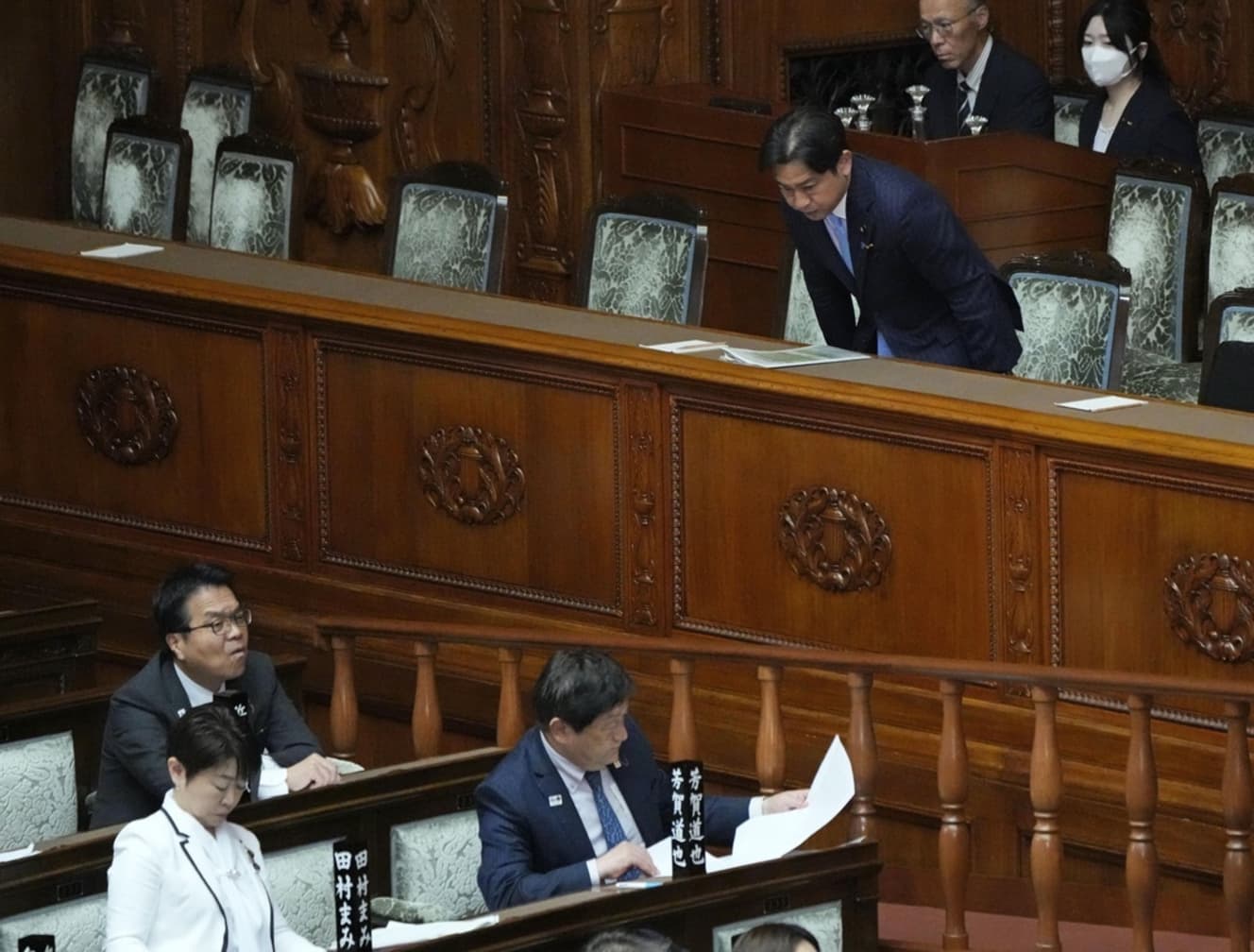
On May 14, 2025, a revised bill amending the Pharmaceuticals and Medical Devices Act was passed and enacted at a plenary session of the House of Councillors. Under this revision, over-the-counter medications such as cough suppressants can now be purchased at convenience stores and other outlets, on the condition that customers receive an explanation online from a pharmacist or other qualified professional.
To prevent overdosing (OD), the amendment also includes a policy to restrict the number of sales of medications with potential for abuse to younger customers. However, there are growing concerns that this system change prioritizes convenience while leaving fundamental issues unaddressed, potentially expanding an environment conducive to substance abuse.
“Pakiru” spreading across social media
On social media, terms like “pakiru” (to pop pills) and “OD” (overdose) are casually exchanged, with posts advising which over-the-counter medicines can induce a high.
In pursuit of temporary euphoria or escapism, people consume large amounts of cough suppressants or cold medicine. This is no longer a mere pastime — it’s clearly substance abuse. A recent and notable case occurred in 2024 in Osaka: a 26-year-old man lured three teenage girls he met on social media to his home, where one of them died from acute drug poisoning. Around 80 empty cough medicine packets were found in the room, strongly indicating an overdose from over-the-counter medications.
This incident highlighted the grim reality that the gateway to substance abuse is not illegal drugs, but readily accessible over-the-counter medicines.
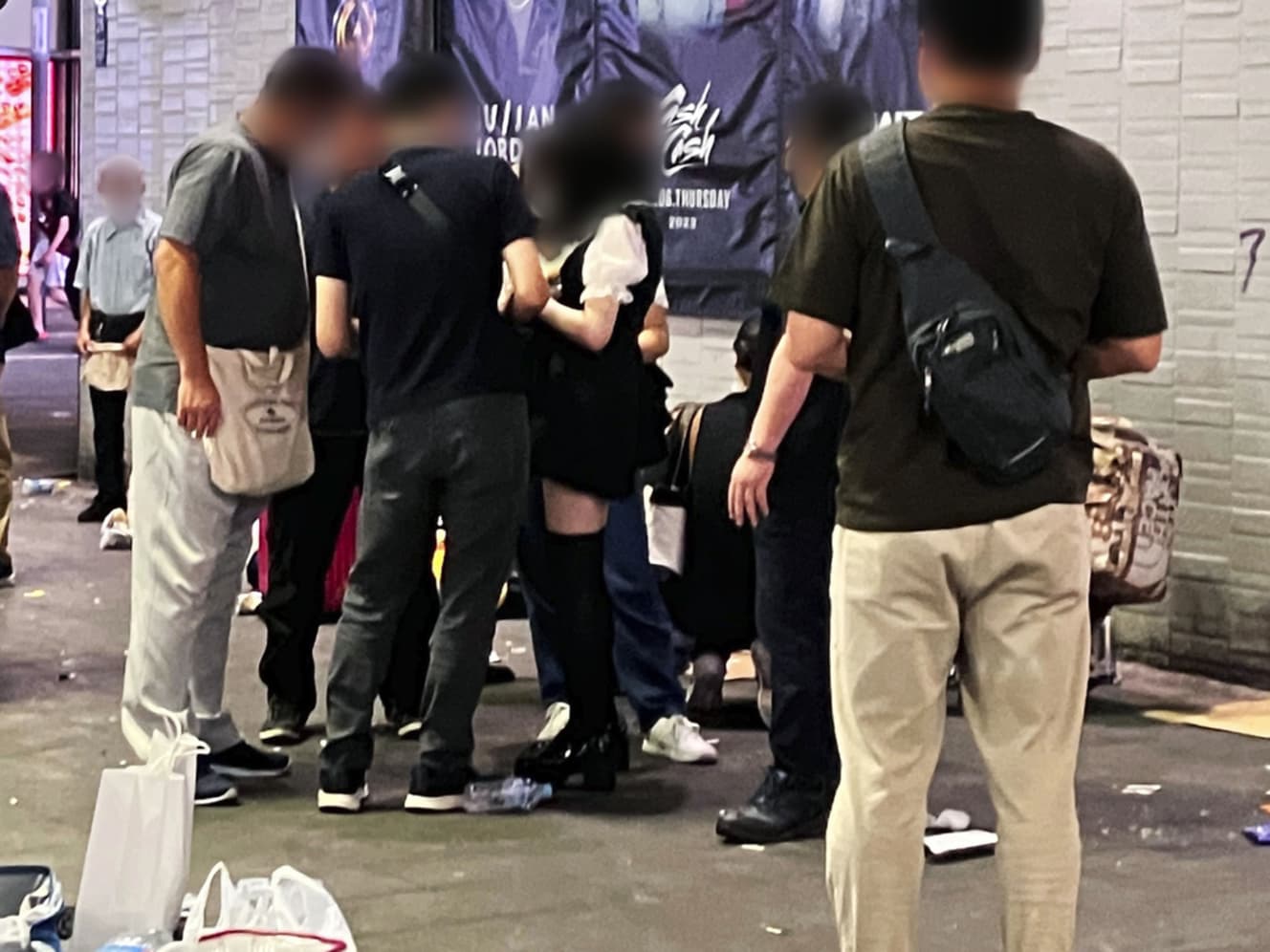
In areas where young people gather — such as “Toe-Yoko” in Shinjuku’s Kabukicho and “Guri-shita” in Osaka’s Minami — cases of overdose among minors, as well as incidents where they fall victim to crime, are far from rare.
Young people invite one another to pakiru together, falling into addiction. In a dazed state, they’re often drawn into situations involving the exchange of money or sexual exploitation.
“Sales restrictions alone won’t stop it” — a sense of crisis felt by frontline pharmacists
In 2022, idol Kanano Senritsu livestreamed her overdose in real time, causing an uproar among fans watching.
Drug abuse spreading in real time on social media is consumed as content and unconsciously influences young people’s behavior. As a result, more young people are starting to abuse over-the-counter drugs triggered by social media posts and videos.
In this situation, expanding over-the-counter drug sales at convenience stores would make drugs available anytime, to anyone, anywhere, potentially marking the beginning of an overdose society.
Products containing six ingredients — ephedrine, codeine, dihydrocodeine, bromovalerylurea, pseudoephedrine, and methylephedrine — are classified as drugs with risk of abuse and restricted to one box per person. However, this can be easily circumvented by visiting multiple stores.
Also, cough medicines without sales restrictions are being used for overdoses, so some pharmacies impose their own sales limits.
“A group of young people come to buy over-the-counter drugs called ‘Meji’ on social media. They purchase separately one by one. From our perspective, their intent is clear. Still, we have no legal grounds to stop them, and refusal of sale is impossible. Sales restrictions have become meaningless,” says a pharmacist working at a drugstore in Tokyo.
This situation is not limited to a few stores but is a common issue across many pharmacies.
If we want to accelerate self-medication, systems for safe usage must also be developed simultaneously. At minimum, the following measures should be urgently considered:
• Mandatory drug education: Practically include correct drug use and risks of dependency and overdose in health education at elementary, junior high, and high schools.
• Digital management of purchase records: Real-time tracking and restrictions on purchase history are essential for expanding online sales.
• Identity verification and purchase restrictions using My Number cards.
To prevent store hopping and resale, a system to centrally manage purchasers is necessary. Medicine is originally meant to save lives. However, due to flawed system design and lack of education, those medicines may turn into deadly weapons.
Behind the convenience of buying drugs at convenience stores, the silent spread of overdoses among youth and the risk of lives being lost should make the government more sensitive and vigilant.
PHOTO: Kyodo News