Spring Dramas Keiko Kitagawa Shines as Hits and Misses Emerge
The Tricks of Kanna Hashimoto in "Takao Amaku's Mystery Chart" and the explosive growth of "Namiurareki, Meoto Biyori".


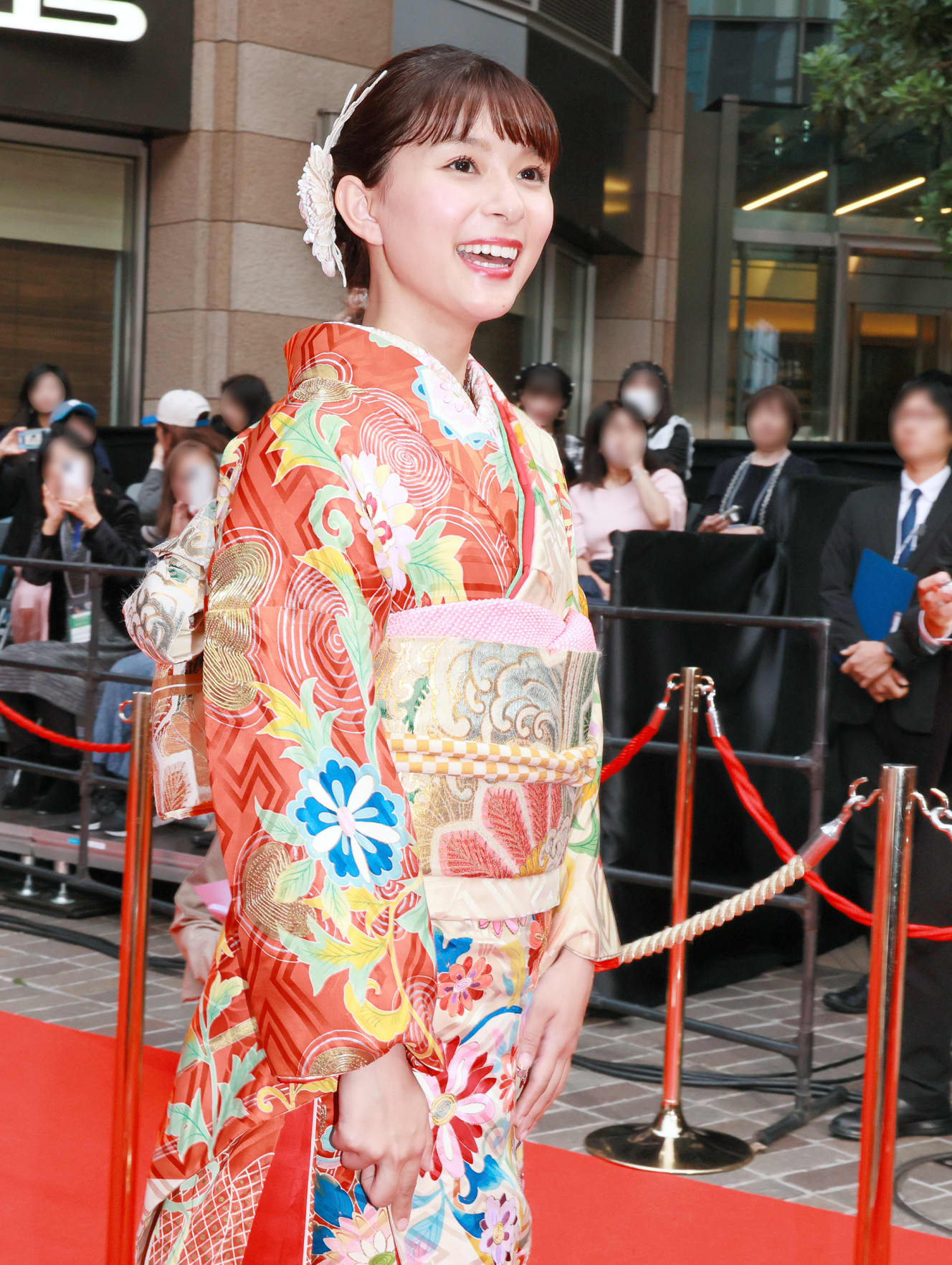
The Fuji TV drama “Zoku Zoku Saigo Kara Nibanme no Koi” proved that regular TVer viewing habits have taken root among viewers in their 50s and 60s. With over 1.22 million favorites on TVer, it claimed the No.1 spot. Behind this success was a bold decision to move the series from its original Thursday 10 PM slot to the coveted “Getsuku” (Monday 9 PM) slot — and another kind of drama unfolding behind the scenes.
For more details, please refer to the first part of the article, “A heroine scandal shakes up the season! Behind-the-scenes stories and filming secrets from this spring’s dramas revealed!”
The most talked-about spring drama
With the Thursday 10 PM slot now open, another drama has been born. Currently airing in this slot, Nami Uraraka ni, Meoto Biyori is receiving high praise from watchers. Mr. Oyama said, “I’m impressed that they found this original work and turned it into a drama!”
“Set in 1936 (Showa 11), the pairing of a naive and clumsy woman with an expressionless but considerate naval officer is very heartwarming. It also has a nostalgic atmosphere, making you feel like you’re watching a Korean romance drama such as Crash Landing on You. It was astonishing that Kyoko Yoshine (28) still has the freshness of a woman who gets flustered when told to kiss on the wedding night.”
According to drama watcher Mihiro Kawada, many women online are comparing it to the masterpiece Nigeru wa Haji da ga Yaku ni Tatsu (TBS).
“The pure love makes your heart flutter. When Kyoko Yoshine calls her husband ‘Takimasa-sama,’ it reminds viewers of ‘Hiramasa-san’ from Nigehaji. Their mutual daydreaming and suspicious behavior because of their love also evoke Nigehaji.”
Kyo-ya Honda (25), who plays Takimasa, is making his first regular appearance in a prime-time serial drama with this work.
“He’s an old-fashioned handsome man who looks great in military uniform and has sparked talk reminiscent of when Ryusei Yokohama (28) first appeared. The live discussion threads on 5channel and Girls Channel are the most lively this season. The number of favorites on TVer exploded from 500,000 at the end of April to over 700,000 after episode three. Both subscriber numbers and ratings are expected to rise sharply by the finale,” said a production staff member.
While dramas in the April season on the Nippon TV network are struggling, their specialty in theory-crafting dramas is showing strength.
Yumelive, a VTuber and one of the watchers who loves making predictions known as the theory team, explains:
“The most highly recommended theory suspense this season is Koi wa Yami. It’s a work by the skilled team behind Anata no Ban Desu and Shin Hannin Flag, making all the characters look suspicious. The clues scattered throughout the drama suggest the protagonist Jun Shison (30) is the serial killer but is that really the case? Will there be a plot twist?”
To become popular on Netflix
Each network is focusing on distribution through Netflix. At present, the viewer numbers have surpassed those of Korean dramas, indicating a certain level of success.
“Putting all effort into streaming is the trend of the times. The whole world is craving content, and money is flowing in the market. Not taking advantage of this situation would be unthinkable. If it succeeds globally, you gain prestige and the streaming fees increase. Actors, creators, and networks—all benefit,” said a major network producer.
According to Mr. Oyama, the works that become popular on Netflix are either thrilling dramas with strong cliffhangers that make viewers want to watch the next episode or heartwarming shows that can be watched anytime.
“The hit from last season, Hot Spot (Nippon TV), fits the latter category. This season, Anata wo Ubatta Sono Hi Kara (Fuji TV) is well received and fits the former. It tells the story of a kidnapped daughter and a pseudo mother-child relationship, reminding many viewers of The Eighth Day (NHK) and Mother (Nippon TV). Keiko Kitagawa’s (38) intense acting draws viewers in. As an original work, it will be exciting to see how the story unfolds.”
Alongside producing dramas with a global mindset, there is also progress in creating works that match more segmented personal preferences.
“The surge in late-night dramas is a response to that demand. This season features bold titles such as Otto yo, Shinde Kurenai ka (TV Tokyo), which has over 710,000 favorite registrations, and Shikyuu Renai (Nippon TV). Viewers are increasingly deciding what to watch based on themes, original works, or cast members,” said Kawada.
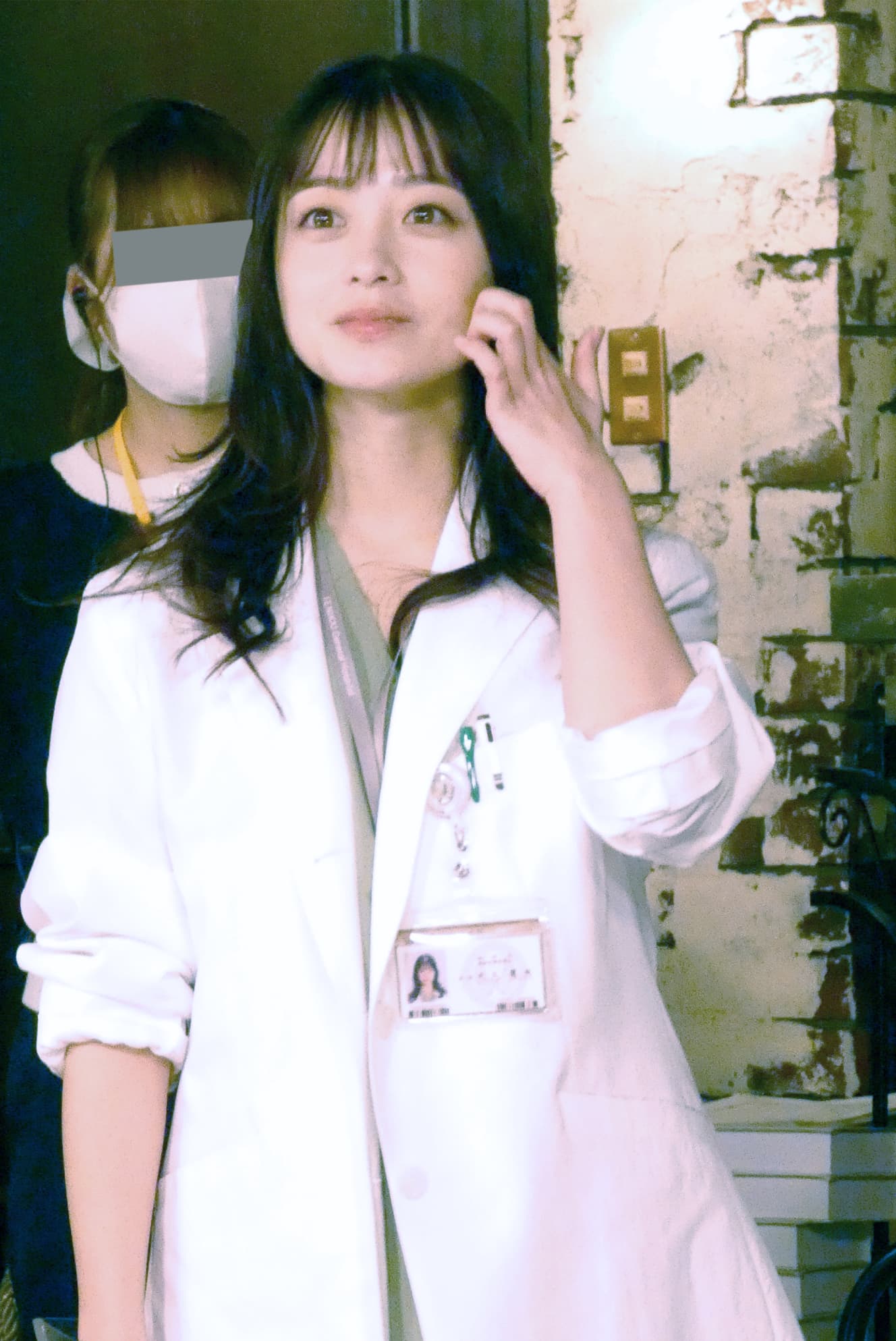
The popular novel adaptation Ameku Takao no Suiri Karte (TV Asahi), starring Kanna Hashimoto (26), seemed to fit niche tastes, but the commercial broadcast scheduling officer shook their head.
“Though it ranked 7th in household ratings, it placed 14th in the core demographic and didn’t quite gain young viewers’ support. It was a work to prove Kanna Hashimoto’s true value after the flop of the NHK morning drama Omusubi, but it didn’t quite succeed.”
The major network producer’s guide to “Kanna Hashimoto” is this:
“The adaptation is faithful to the original, but something feels lacking. Thinking back, her acclaimed roles in Gintama, Kaguya-sama: Love is War, and Kyou Kara Ore wa were all supporting heroines rather than leads. It’s her possession of the role through acting that makes her shine. It feels like that path became visible in the spring dramas.”
Within just one month after the broadcast started, the spring dramas have already clearly split into successes and failures. Behind the scenes, another kind of drama is unfolding.


From “FRIDAY” May 30, 2025 issue
PHOTO: Yoshito Murata (Keiko Kitagawa) Kazuhiko Nakamura (Yoshine)