Document] A year and a half after the outbreak of war… “Disintegration and Despair” in the Gaza Strip, Palestine: A Fearful Local Photo Report


As many as 15,000 innocent children died.
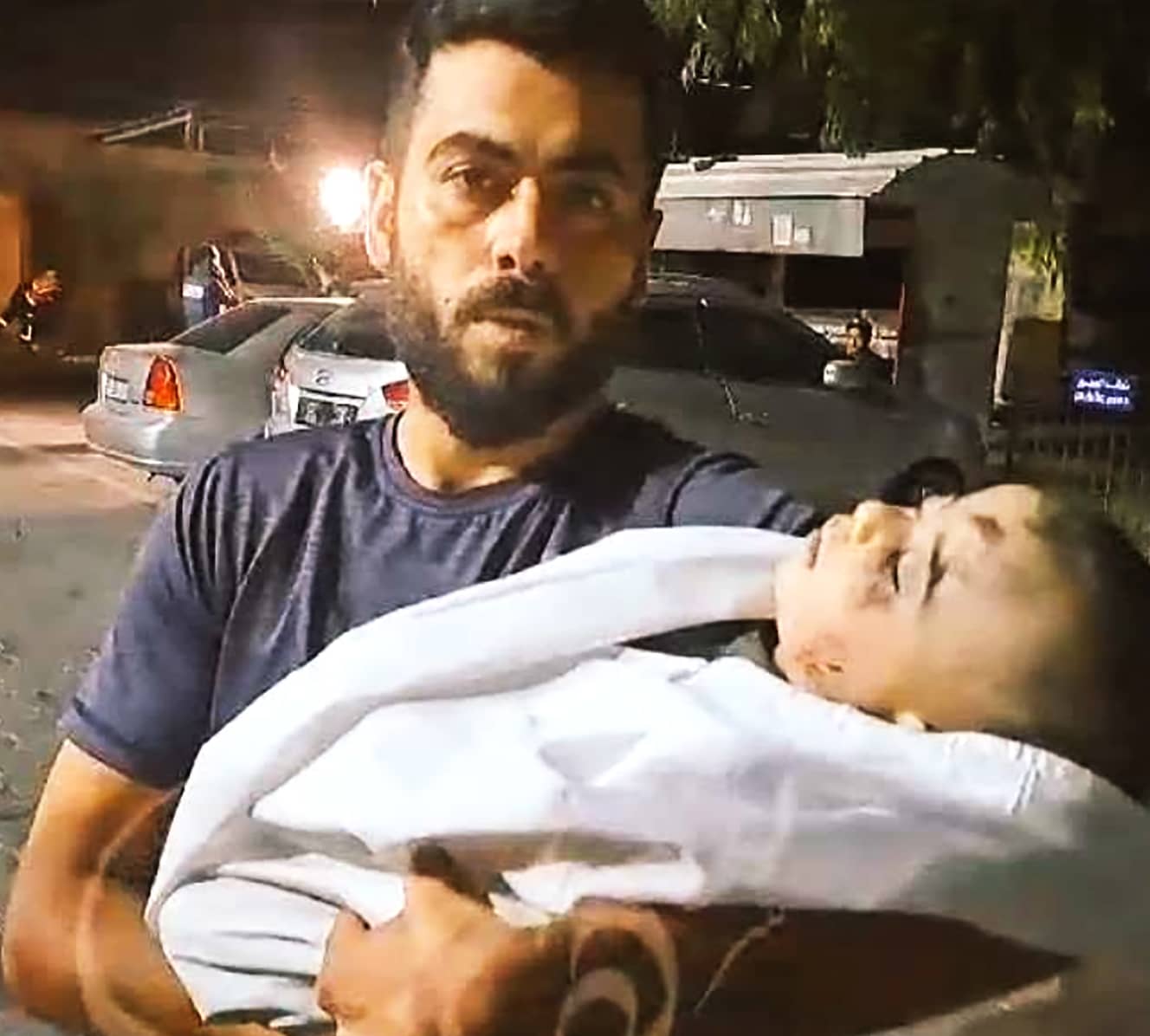
‘Shortly after we realized that the drone was close by, we heard a violent explosion, the ceiling collapsed, and our home was shattered. I waded through the debris with my bare hands, calling out the names of my loved ones. I rescued my wife, who was covered in blood, and my crying daughter, who was trapped in the wreckage, and found my …… son. It was as if he was asleep.”
The conflict between the Islamic organization Hamas and the Israeli army erupted in October 2011. Sameh Ahmed, a journalist living in the Gaza Strip in Palestine, lost his 9-month-old son in an airstrike three days after the fighting began.
Over the next year and a half, 15,000 innocent children died.
We fled to southern Gaza and were displaced for over a year. Following the ceasefire agreement in January of this year, we set out for our home in the north. But what awaited us there was living in tents in the rubble. My parents and brother also had their house destroyed and are living in tents in southern Gaza. ……”
The tents were handmade, made of cut and pasted vinyl. Large hospitals and schools have already been bombed, and people are living in homemade tents and destroyed school buildings as simple shelters.
There are no official shelters in Gaza. Neither humanitarian aid organizations nor the UN Relief and Works Agency for Palestinian Refugees can enter Gaza because they are blocked by the Israeli army.
The infrastructure is completely destroyed and there is a desperate shortage of clean water, food and fuel. We used to make bread from rotten flour, but even the fuel to bake bread is gone. We have to wait in long lines to receive rationed canned food, which is our staple food. We have no choice but to use seawater for cleaning, and skin diseases and infections are rampant,” Sameh said.
However, Gaza’s medical system has already collapsed, and medicine has run out. There is a shortage of everything, whether drugs for diabetes and hypertension, antibiotics, or medical supplies for surgery, and “more than 300,000 people suffer from chronic diseases and more than 10,000 patients are in need of urgent medical evacuation,” Sameh says.
With very limited medical resources, doctors have to pick and choose their patients and make very tough choices.” One doctor decided to amputate a child’s limb without anesthesia. It was one of the most horrifying sights I’ve seen. ……”
Even those lucky enough to survive are suffering from respiratory illnesses caused by the dust from the bombing, food poisoning due to poor sanitation, and mental health problems such as PTSD that plague the civilian population.
A brief ceasefire ended in mid-March. The Israeli military announced an expanded operation in Gaza and resumed attacks. Sameh is outraged.
Seventy civilians, including 19 children, were killed in airstrikes that began before dawn on April 7. From there, the death toll reached 1,100 in a battle that lasted 15 days. Before an attack, the Israeli military uses social media, leaflets with maps that fall from the sky, telephone calls, and warning bombs to order evacuations to areas that are considered ‘safe. But even those evacuated areas are subject to bombing. There is no safe place in Gaza.”
The resumption of fighting and the new evacuation order have reportedly led to protests in Gaza, which have finally forced Hamas to step down.
There is no shelter under bombing, no medical services, no humanitarian aid. It is always the civilians who pay a high price. An end to the daily carnage, war and destruction. That is the wish of the people of Gaza.
Mr. Sameh described his hometown as a “hell,” where there is nothing but “collapse and despair.


From the May 9, 16, and 23, 2025 issue of FRIDAY
In cooperation with: Rena Masuyama PHOTO: Courtesy of Sameh Ahmed