Celebrating 35 Years of ZARD, Unveiling the Timeless Charm of Izumi Sakai Through Rare Photos
Special Program Part 1


Three staff members reveal the unknown true face of the diva who chased a distant dream.
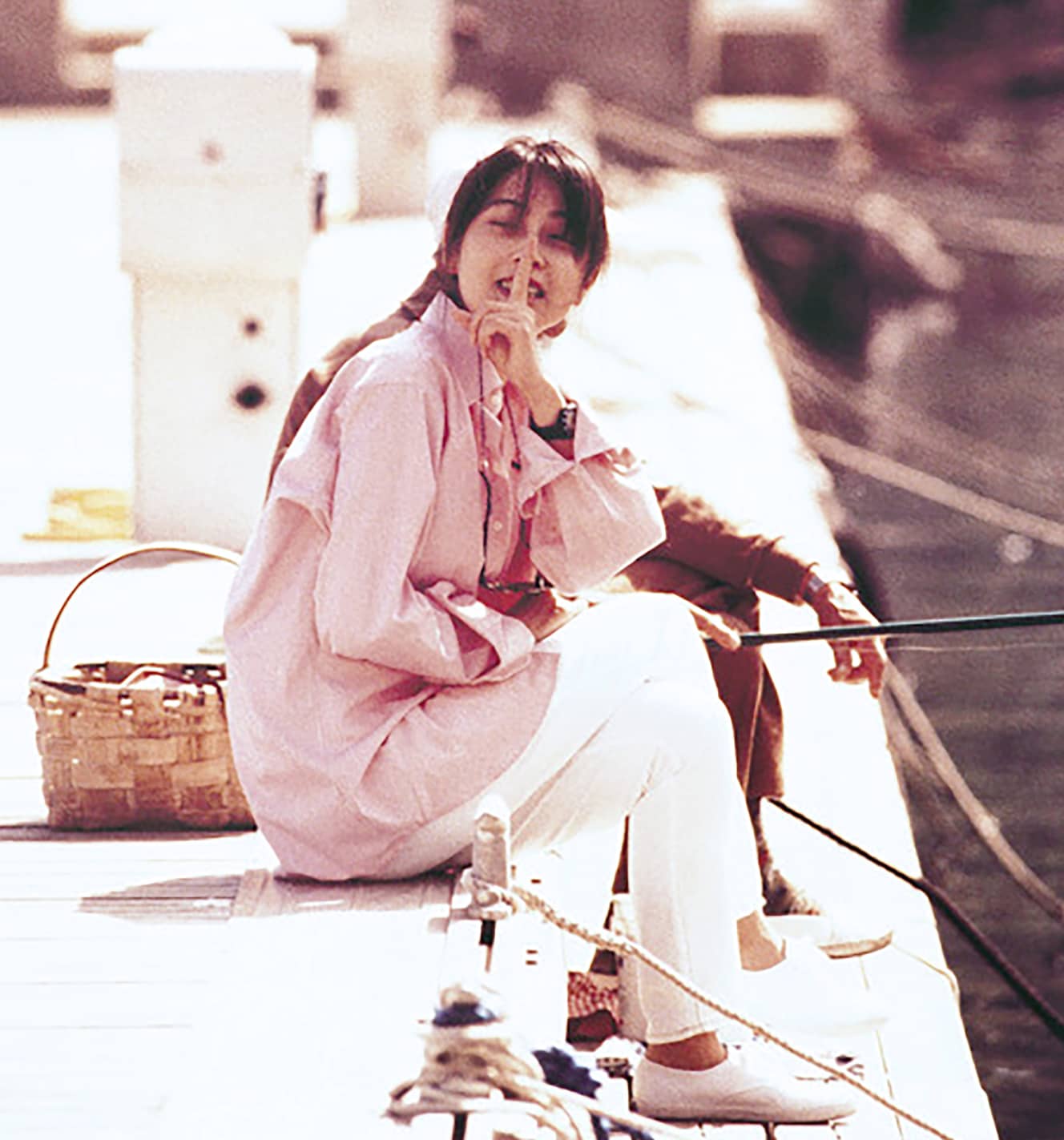
The legendary music unit ZARD, known for countless hits like “Makenaide” and “Yureru Omoi,” holds the unique record in the Japanese music scene for nine consecutive million-selling albums. Even now, 18 years after the passing of their vocalist Izumi Sakai (who died at age 40 in May 2007), ZARD continues to be loved by fans of all genders and generations.
As the first installment of the anniversary project leading up to ZARD’s 35th debut anniversary next year, the best album ZARD Best Request 〜35th Anniversary〜 was released in February, marking their first such release in nine years.
Involved in the album’s production and having supported Izumi Sakai closely during her lifetime, music director Hiroshi Terao, recording engineer Katsuhiro Shimada, and art director Kenichi Suzuki shared behind-the-scenes stories and revealed the true personality of Sakai that can be told only now.
Unexpected first impressions
— Please tell us your first impressions when you reach met ZARD’s Sakai-san for the first time.
Suzuki: I was in charge of the overall design, such as jackets and lyric booklets, and when I first met Sakai-san, I was in my first year at the company. I was quite nervous, so I don’t remember much of the conversation. But I do clearly remember thinking, “She’s really beautiful,” and above all, I vividly recall the strength of her gaze — her powerful eyes.
Terao: I was involved with ZARD’s music production from the early days, directing songs and vocals. I think the first time I met Sakai-san was even before ZARD officially formed. She was brought to the studio by Nagato-san (Daikou Nagato, founder of Being and music producer) to try singing a Japanese song.
She was so nervous that it was almost worrying. But when she started to sing, I was shocked by her remarkable vocal power and the soaring, clear tone that seemed to shoot through the room. That contrast left a strong impression on me, so much so that I don’t really remember her looks that well.
Shimada: I was the recording engineer and was present during that session where Terao was so impressed. What stuck with me was her vocal power and, especially, her excellent pitch control within the melody. Also, it might surprise people, but I remember thinking, “She’s quite flashy in her clothing.”
Terao: Exactly. Many people imagine “ZARD’s Sakai Izumi” wearing simple clothes like T-shirts and jeans, but that day she wore a flashy top and a mini skirt — quite the opposite.
Keeping it real is what matters
――How was the jacket cover for the debut single (released February 10, 1991, “Good-bye My Loneliness”) photographed?
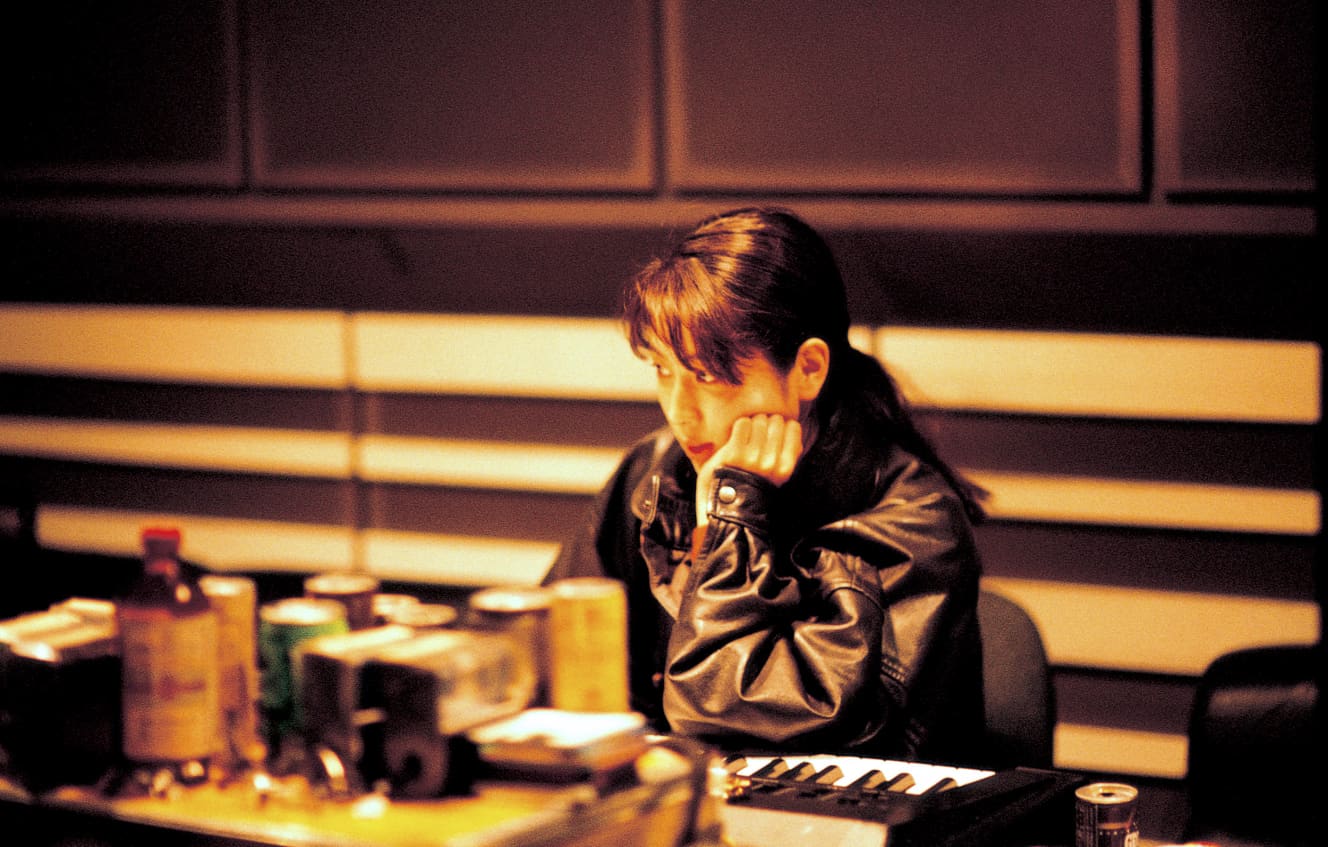
Suzuki: We decided to shoot at the recording studio “Studio Birdman” in Roppongi, aiming to capture her real self.
At first, the table was cluttered with lyric sheets and canned coffee, but naturally, we staff were tidying up for the actual shoot. Since I was a newbie back then, I thought, “This is a jacket shoot, so we need to clean up properly, set the lighting, and prepare the scene.”
Then Nagato-san came in and said, “Why did you clear the table?” He told us, “I want it to stay real. So put the stuff back on the table.”
It was also Izumi Sakai’s first time shooting a jacket photo, so she had prepared impactful outfits like a polka-dot knit and a bright red top.
But then Nagato said, “Suzuki, why don’t you have her wear your leather jacket?” I happened to be wearing one, so I handed it to Sakai, and the photo of her wearing it became the jacket cover.
【To be continued in the special feature Part 2 for ZARD’s 35th Anniversary Year】
Putting everything into that one song—


From “FRIDAY” combined issues, May 9, 16 & 23, 2025
PHOTO: Courtesy of B ZONE