How to avoid getting caught with “fake brand goods” on flea market apps?


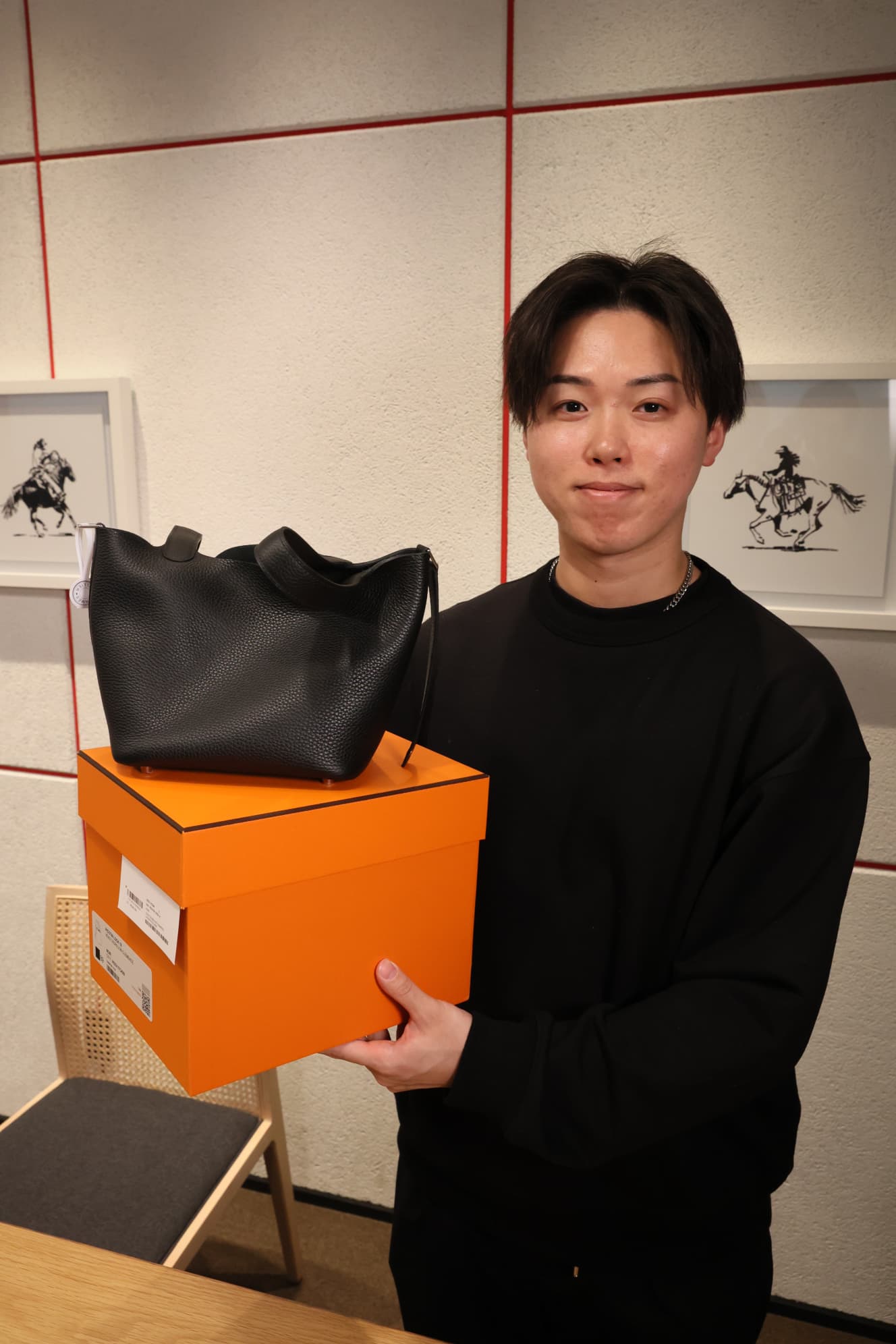
‘I don’t want to buy branded goods over the Internet’
The influx of fake brand goods continues unabated. According to the Ministry of Finance, the number of goods seized by customs last year reached a record high, with 31,212 cases of trademark infringing goods such as fake brand goods accounting for more than 90% of the total. The fact that it has become commonplace for individuals to purchase brand-name goods on overseas websites and flea market apps via the Internet has spurred the rampant use of counterfeit brand-name goods.
In March 2012, Japan’s largest flea market app, Mercari, launched “Anshin Appraisals” as a countermeasure against counterfeit brand goods. The system is as follows.
When a seller lists an item for sale, he or she chooses whether or not to allow the use of “Anshin Kappei. The buyer decides whether to use “Anshin Appraisals” only if the seller allows it. If they do, they pay the appraisal fee along with the price of the item. The item is sent from the seller to “Fake Busters” for appraisal, and if it is genuine, it is returned to the buyer. If it is a fake, it is sent back to the seller, and the merchandise price and appraisal fee are refunded to the buyer. Even if the item purchased is a fake, the buyer will not lose anything.
The company responsible for authenticity appraisals for the “Anshin Kappraisal” service is “Fake Busters,” which was established in 2007 to provide authenticity appraisals mainly for sneakers, and currently holds the largest market share in Japan. The introduction of the appraiser service last year was groundbreaking, as the general perception of flea market apps is that “it is scary to deal in expensive brand-name goods. Yoshio Aihara, CEO of IVA, the operator of “Fake Busters,” said the following about the past year.
The service itself has been widely used by users, and the number of users has been increasing rapidly. We had a few problems right after we started, but as a result of our honest efforts to prevent recurrence and preventative measures, I think the service is now widely accepted by users.
According to the IVA survey, 56.5% of all respondents have used appraisal services when buying or selling brand-name goods on flea market apps. When asked “Would you like to use authenticity appraisal services when buying or selling brand-name goods on flea market apps?” 81% of respondents answered “very much” or “somewhat. Considering that appraisal services themselves did not exist until recently, it can be said that they have become quite widespread. Although details were not provided, the number of items appraised per day seems to have increased more than tenfold compared to the same period last year.
What kind of items are most often brought in for appraisal? When we asked Mr. Aihara last year, he told us that the ratio was 4:4:2, consisting of bags, Trekkies, and sneakers.
A year ago,” he said, “we started working on brand-name clothing, which hadn’t started yet. That has become very popular, and now we have just about half of our business in branded bags and clothing. The overall trend of fake brand goods has not changed, and there are still all kinds of fakes.
When a new work is released, a new fake is also released.
In “Fake Busters,” the appraisals are done by AI and people. What are the key points to detect fakes? We asked them to give us an example of Hermes’ popular “Picotin” bag. It is a very popular and hard-to-find item, depending on the size, and the market price is about 800,000 yen,” he said.
In this case, AI checks the logo and the string of letters engraved on the bag. In addition, the appraiser conducts a thorough appraisal from various perspectives, such as checking whether the material of the metal fittings is genuine and shining a black light on the box. There are more points to be checked depending on the bag, for example, It is not something that can be done overnight, and it is truly a highly specialized job.
Whenever a new product is released, new fake products are also released immediately. And the appraisers have to update their knowledge of how to recognize fake items. How in the world do they manage to do this?
We are not relying solely on the wealth of experience and information gathering capabilities of our appraisers, but we are also focusing on improving the accuracy of our appraisals through AI and creating a system to increase productivity. On the other hand, appraisers themselves voluntarily learn and update their knowledge of the latest trends and detailed characteristics of each brand on a daily basis, and they accumulate even more experience as they fulfill requests.
Fake Busters” has been taking on the challenge of a flea market app where “you can’t buy brand-name items” was the conventional wisdom for the past year, and has been achieving results. However, Mr. Aihara analyzed, “We have made a reasonable amount of inroads with people who want to buy bags on flea market apps, butI think there arestilla large number ofpeople who don’t want to buy on flea market apps in the first place. The challenge for the future is how to approach such people, he said.
The day may not be far off when “fakes” are eliminated from online transactions.
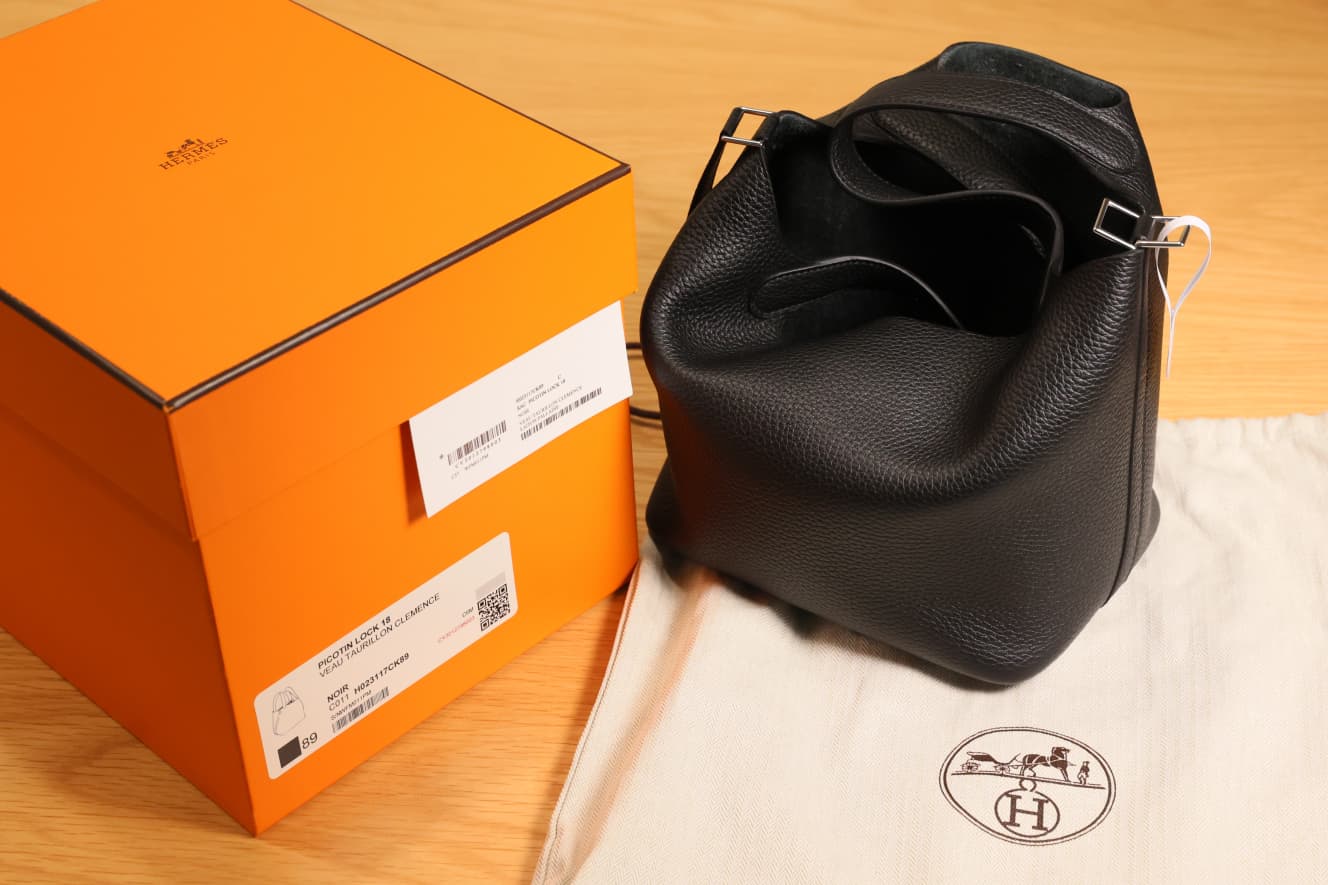
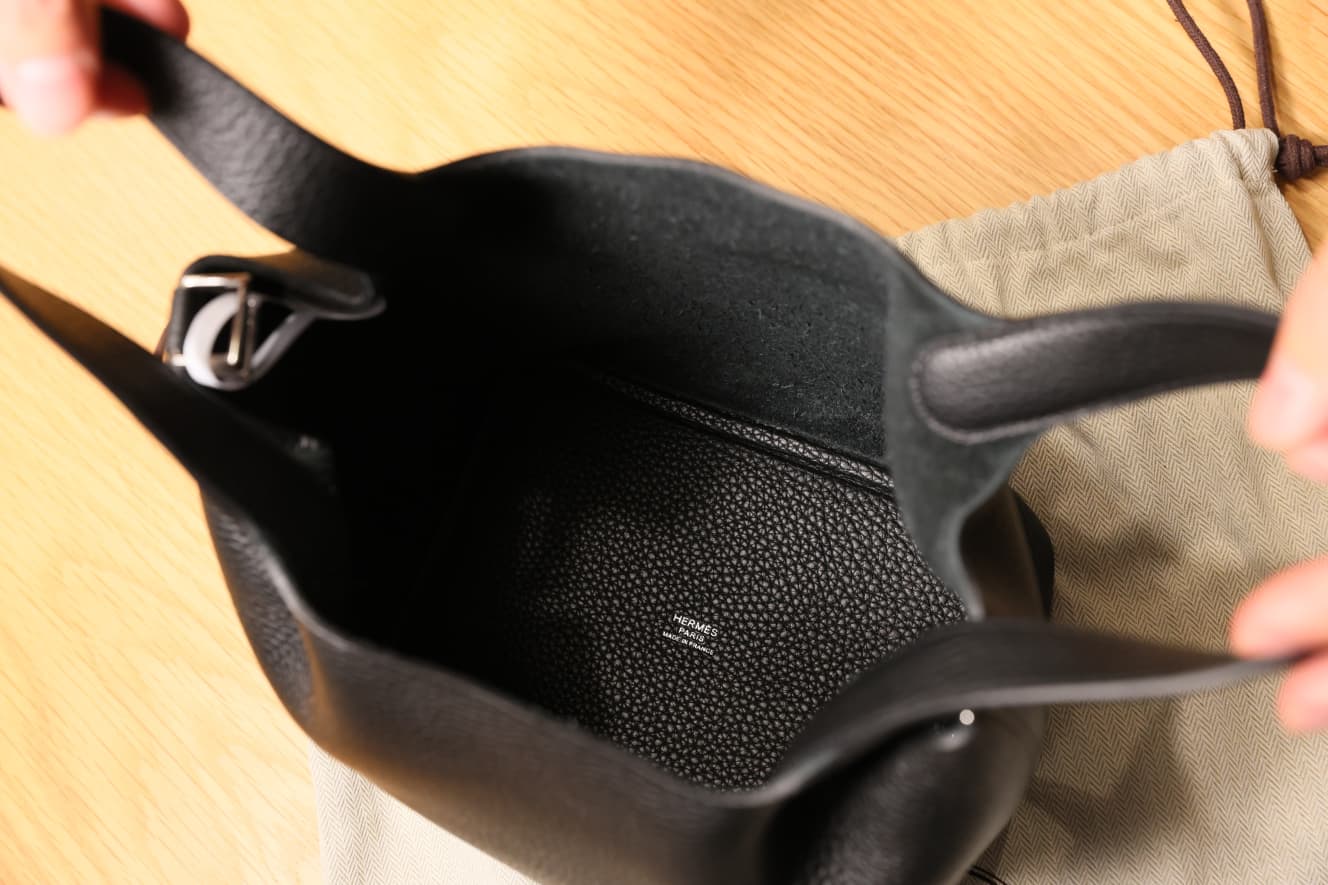
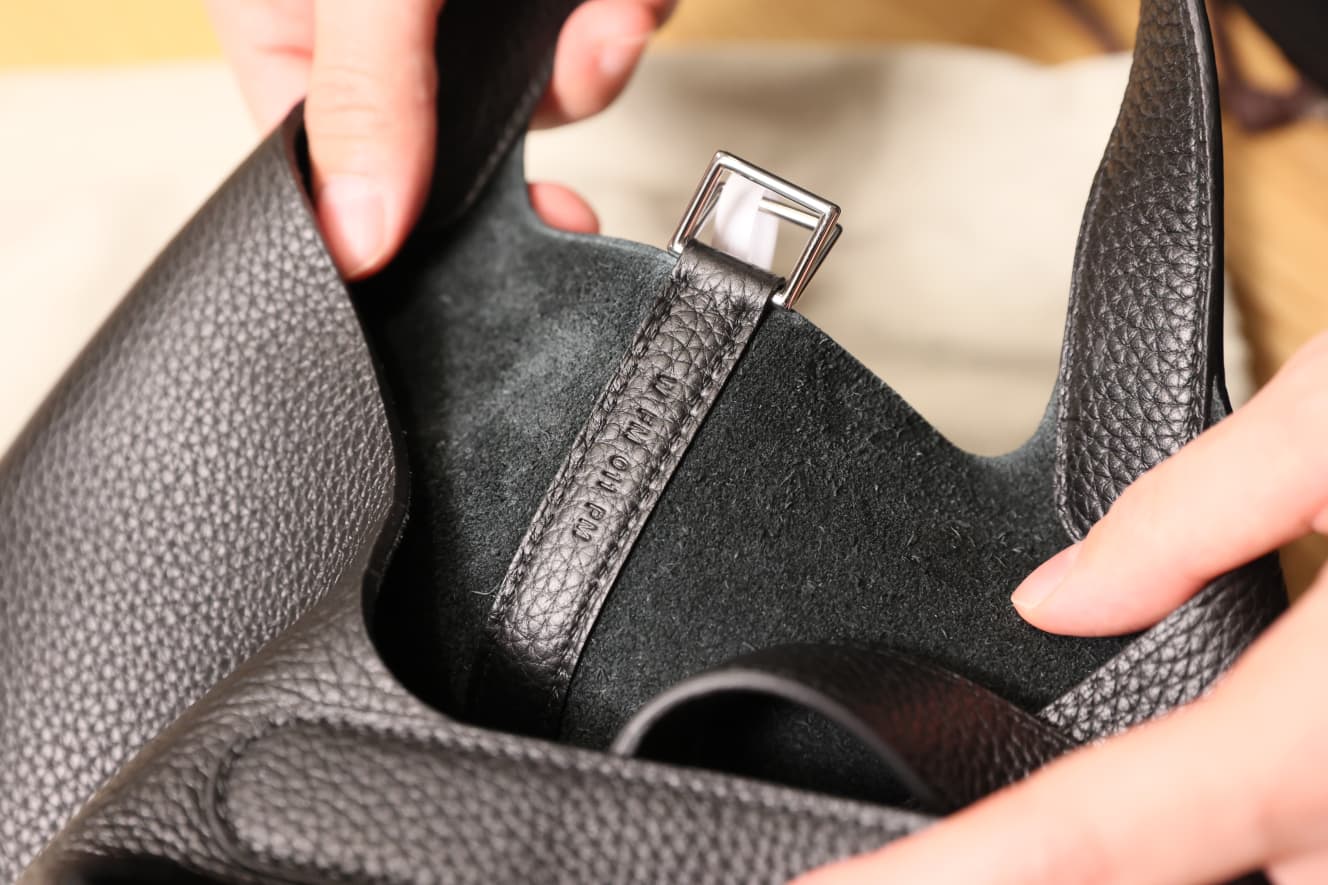
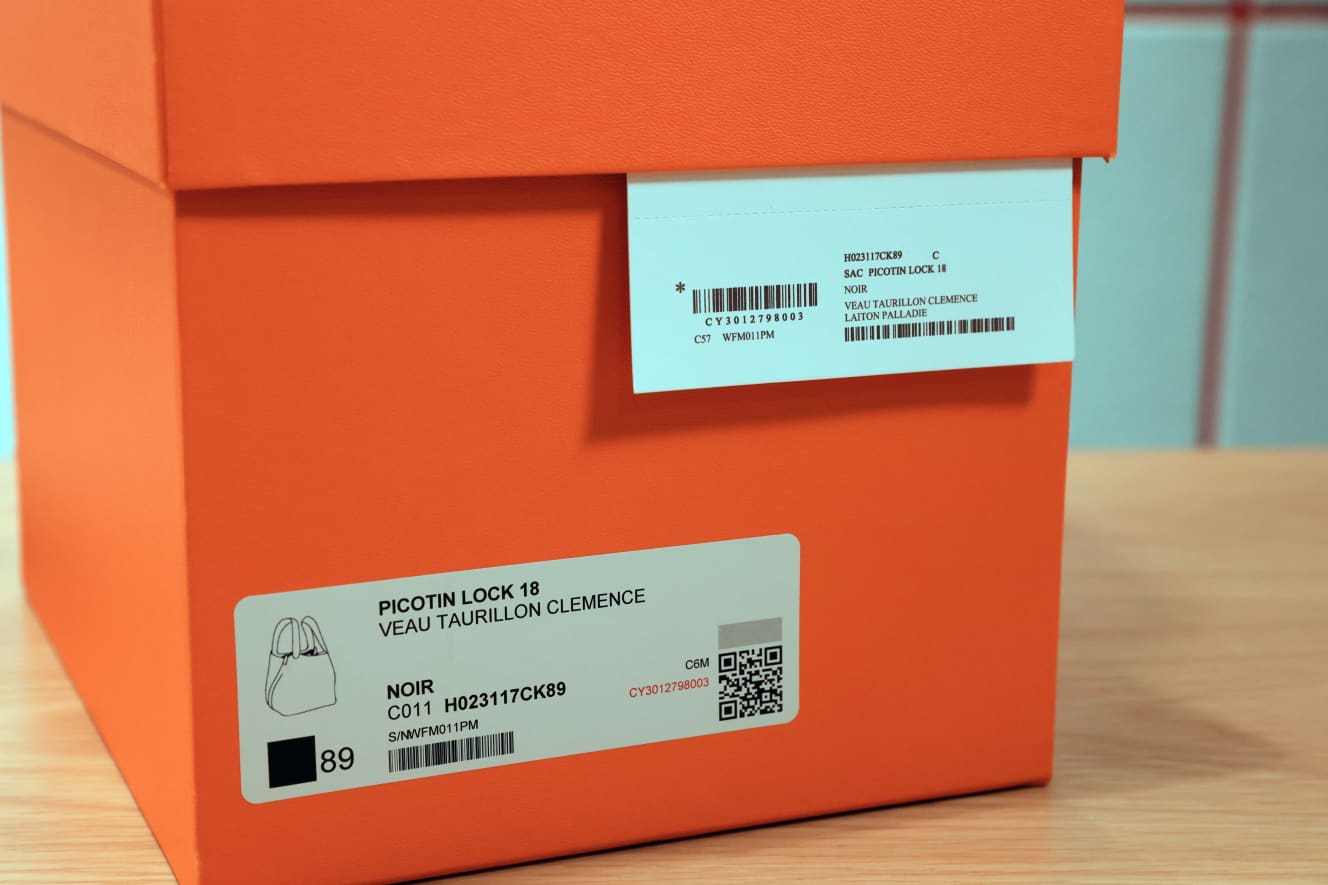
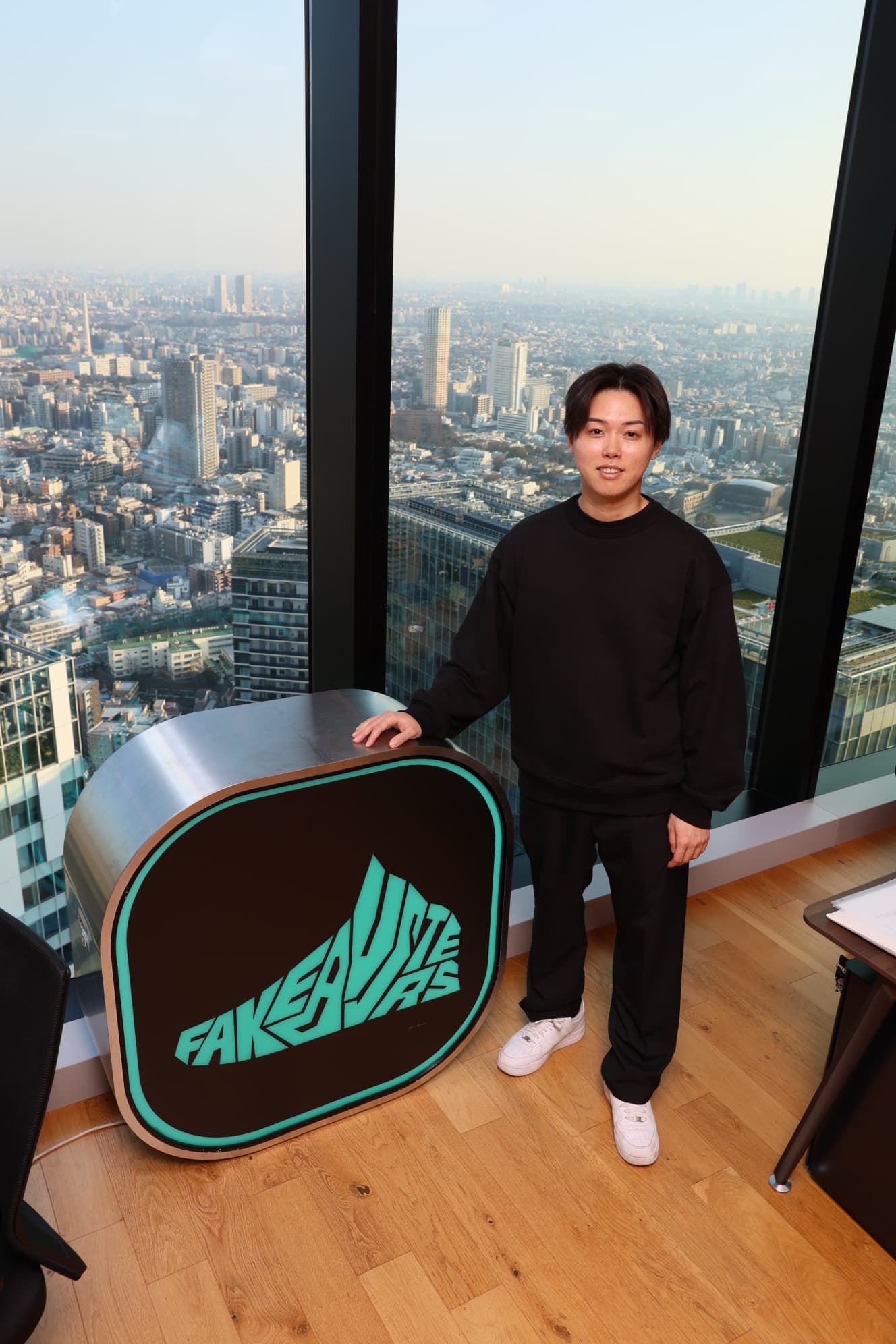
PHOTO: Takehiko Kohiyama