Oho on Becoming a Sibling Sekitori His Ideal Image and True Self Revealed


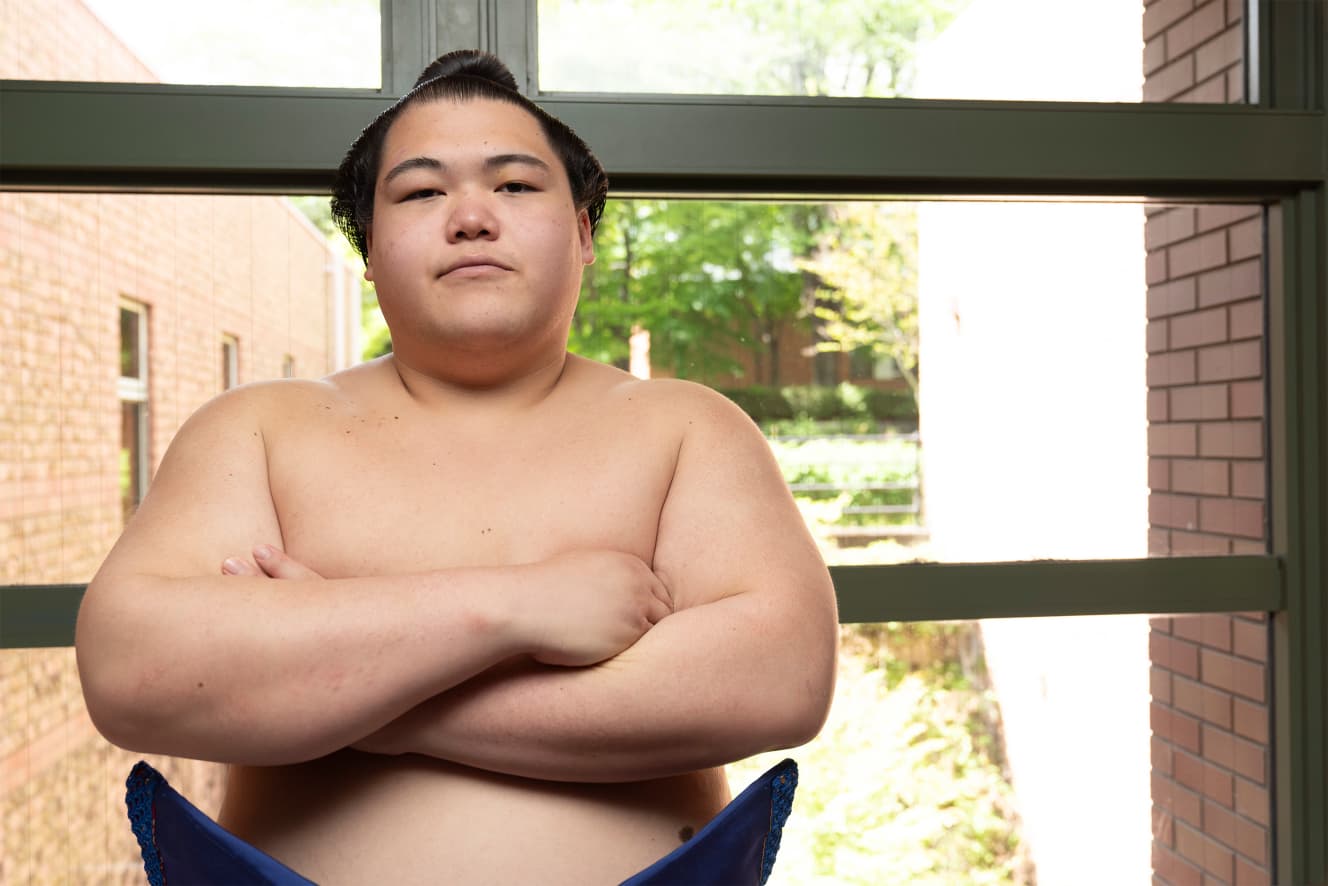
“I lacked guts.”
His grandfather was Taihō, a grand yokozuna of the Shōwa era, and his father is the former sekiwake Takatōriki (57). With such a prestigious lineage, Ōhō (25) had attracted attention since his entry into sumo in January 2018. His breakthrough came at this year’s Hatsu Basho.
Alongside rivals from his school days and fellow recruits, then-ōzeki Hōshōryū (25) and maegashira Kinbōzan (27), he led the title race. On the final day, he defeated two-loss Kinbōzan, forcing a three-way playoff for the championship among the three-loss wrestlers — Hōshōryū, Kinbōzan, and Ōhō.
Though he lost to Hōshōryū — who was aiming for yokozuna promotion — in the second match of the playoff and missed out on the title, he finished with a 12-3 record and received his first Technique Prize. This performance made Ōhō’s name known throughout Japan.
At the March Haru Basho, he was promoted to shin-sekiwake. On Day 13, he handed a loss to then-ōzeki Ōnosato (24), who went on to win the championship, showing his ability. However, on senshūraku, he was defeated by shin-nyūmaku 21-year-old Aonishiki Arata (21) with a twisting throw. He was unable to secure a winning record in his debut tournament as a san’yaku wrestler. In late April, during the spring tour, he reflected on this frustrating result:
“I think the reason I couldn’t perform the way I wanted was because being promoted to sekiwake made me feel like it was easier to wrestle. I’ve realized it’s better for me to have a certain amount of stress and tension. Maybe that lack of edge led to my loss against Aonishiki Arata.”
Aonishiki Arata, a Ukrainian-born wrestler, stands 182 cm tall and weighs 136 kg — relatively small for a makuuchi rikishi — but made headlines by reaching the top division in just nine tournaments (tying the record for fastest-ever promotion). Had the Haru Basho’s winning line dropped to four losses, he could have made it into a playoff.
“(Aonishiki) is a lot stronger than he looks. I hesitated in my mind, thinking, ‘If I push too hard, I might lose my balance’ and already failed at the tachiai. More than that, his sumo technique was incredible. I’d felt even before he became a sekitori that he might be a tough matchup for me,’ and in the end, I think I just lacked guts,” said Ōhō.
It’s not for someone else
Meanwhile, looking back on his bout with Ōnosato — who clinched his third championship by defeating Takayasu in a playoff on senshūraku — he reflected:
“It was a perfect match. Being able to give it my all in the tension of the final bout of the day was huge for me. The musubi-no-ichiban is the last match of the day. Whether it’s a good match or not changes the impression people have of sumo. If possible, I want people to leave thinking, ‘I’m glad I came to watch.’ Putting that kind of pressure on myself worked out well.”
Pushing back and defeating Ōnosato, a same-generation rival aiming for yokozuna promotion at the upcoming Natsu Basho, seems to have given him significant confidence.
After the Haru Basho, a happy event awaited him. His younger brother — the fourth son of the Naya family, Mudōhō (23), then ranked in the makushita division — earned promotion to jūryō.
Following in the footsteps of his older brother Ōhō, Mudōhō entered the world of professional sumo while attending Saitama Sakae High School. He rose to makushita after just four tournaments from his debut at the 2019 Kyūshū Basho but then hit a wall. However, starting from the lower ranks of makushita at this year’s Hatsu Basho, he claimed the division championship with a perfect 7-0 record, and at the Haru Basho, his rank shot up to West Makushita 3. He secured a winning record with four victories, but whether he would be promoted depended on the vacancies created by demotions from jūryō, so the outcome remained uncertain until the banzuke meeting.
“At a basho like that, where your whole life is on the line, it’s hard to say don’t be nervous. No one can wrestle like it’s just any other day. So when my brother showed a lack of spirit in his sumo, I only said to him, ‘That kind of sumo isn’t what you’re about.’ I left it at that. I’m glad he realized it on his own.
To be honest, I’ve never really understood what it means to have a reason to try hard (laughs). You often hear people say things like ‘I’ll do my best because someone is cheering for me’ or for someone else’s sake, but for me, it’s not like, ‘My brother’s working hard, so I have to too.’ Still, seeing him get results and earn his promotion made me genuinely happy.”
While he’s delighted by his younger brother’s success, he seems determined to stay natural and not let it weigh on him too heavily.
When asked about the theory that he has no hobbies

When off the dohyo, he is a 25-year-old young man. In the profile published by the Japan Sumo Association, answers such as hobbies, current interests, and favorite artists often say none. How does he spend his time off?
“I don’t really have any hobbies that I can call a current interest or talk about with others (laughs). If I had to say, I like taking walks around the neighborhood of my stable (Otake stable), and when I’m at regional tournaments, I like going to aquariums or zoos where there aren’t many people. Basically, I like places with a quiet atmosphere. Like the Japanese garden Kiyosumi Teien near the stable, and I occasionally go to art museums too.”
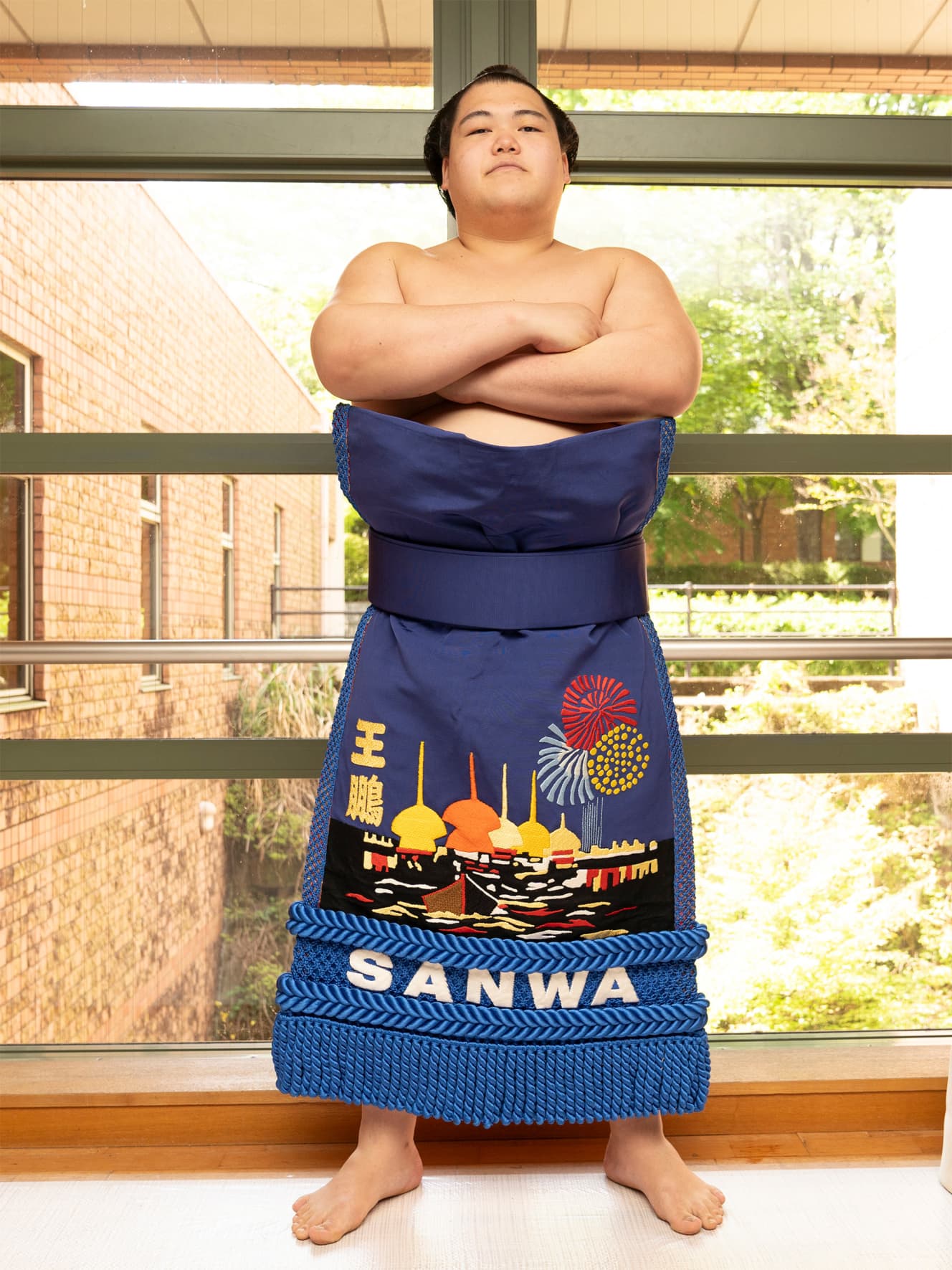
Ōhō remained calm and composed throughout the interview. He will enter the summer tournament starting on May 11 as the highest-ranked maegashira.
“I want to wrestle with a pushing and attacking style that makes people think, ‘Ōhō’s sumo is interesting.’ Competing in the championship playoff at the New Year tournament was also a valuable experience.”
All eyes will be on this thoroughbred of the sumo worldduring these 15 days.
Interview and text: Hazuki Takeda PHOTO: Takayuki Ogawauchi