B-Type Flu Rising: Ongoing Outbreak and Post-COVID Normal


If it’s a mild case, over-the-counter medicine is fine but when it’s tough, see a doctor 12 hours after the onset of initial symptoms
At the end of last year, the number of patients per medical institution reached a record high for influenza (*1). Although the number of patients has gradually decreased since then, some prefectures are still under alert, and the impact continues.
“The flu strain circulating since the end of the year is influenza A (pdm09 strain). This is the influenza virus that was called swine flu in 2009, and it has caused a major outbreak since then.
Although the A strain has gradually stabilized, from February onward, influenza B, accompanied by gastrointestinal symptoms such as diarrhea and vomiting, is starting to spread. Even if you feel that the number of people with the flu around you has decreased, you shouldn’t let your guard down.”
This was shared by Dr. Akihiro Sato, the director of KARADA Internal Medicine Clinic Gotanda, an expert in infectious diseases.

During the COVID-19 pandemic, it became common for people with a fever to go to healthcare facilities with fever outpatient clinics for testing. However, since COVID-19 has shifted to a Category 5 disease, and with the current situation where patients are concentrated in healthcare facilities, some people are choosing to refrain from seeking medical care. Even if it is the flu or COVID-19, is it okay to choose the option of waiting at home to recover without testing?
“Visiting a healthcare facility is not mandatory. If you take antiviral medications like Tamiflu, it is said that recovery may be faster by about a day. For a generally healthy adult male, if the symptoms are mild, it is fine to monitor the condition with home care.
However, if symptoms like fever are severe, please do not hesitate to seek medical care. Additionally, if you can usually speak in one breath but find yourself out of breath and unable to speak, that is a sign to seek medical care. It may indicate a drop in oxygen levels and decreased lung function.
Even for adult men, if they have pre-existing conditions, or for the elderly and children, there is a risk of severe complications, so they should seek medical care.”
In such cases, testing too early may not give accurate results. For influenza, it is best to wait about 12 hours after the initial symptoms appear before seeking care.
Five days from onset, and two days after fever subsides means it’s not okay to return to work.There’s also a herbal medicine with the same effectiveness as Tamiflu!
When symptoms are mild and you are recuperating at home, many people rely on over-the-counter medicines available at drugstores.
“For adults, any cold medicine containing fever-reducing and pain-relieving ingredients (such as general cold medicines) will suffice. Choose a medicine that matches your symptoms like fever, sore throat, or runny nose, and be sure to follow the dosage instructions. For children, fever-reducing and pain-relieving medications should include acetaminophen.
A herbal medicine called ‘Maoto’ is also available at drugstores and has been proven to have similar effectiveness to Tamiflu for flu symptoms.
Using Maoto as an option during home treatment can be a good choice. However, herbal medicines have side effects, and Maoto may not be suitable for everyone, so it’s important to consult with a pharmacist when purchasing.”
If you suspect you have the flu, it’s important not to go to work to avoid spreading it to others. Even if your fever subsides, avoid contact with people right away.
“The premise for returning to work is that your symptoms have completely disappeared. If you get the flu, five days from onset, and two days after the fever has subsided should be observed before returning to work. For example, if initial symptoms appear on a Friday, you should avoid going to work until the following Wednesday, and can return on Thursday.
However, if the fever persists and you only recover by Monday morning the following week, you should wait until Wednesday to return to work, as you need to wait two days after the fever subsides.”
Hand washing and masks continue the basic measures that became habits during the COVID-19 pandemic.
Amid the widespread impact of influenza, a serious issue is the shortage of medication. Due to the sudden increase in demand, shipment restrictions on antiviral drugs, including Tamiflu, have been implemented one after another.
“The shortage of pharmaceutical supplies is not something unique to this influenza season but has been ongoing since the COVID-19 pandemic. It is not a temporary issue, and similar situations are expected to continue in the future.
Therefore, it is necessary for patients to understand this current situation. If your regular pharmacy tells you that the medication is unavailable, it might be worth trying one or two other pharmacies. Some pharmacies may still have stock. For sore throats and coughs, I also recommend drinking honey dissolved in warm water, as it has antiseptic properties.”
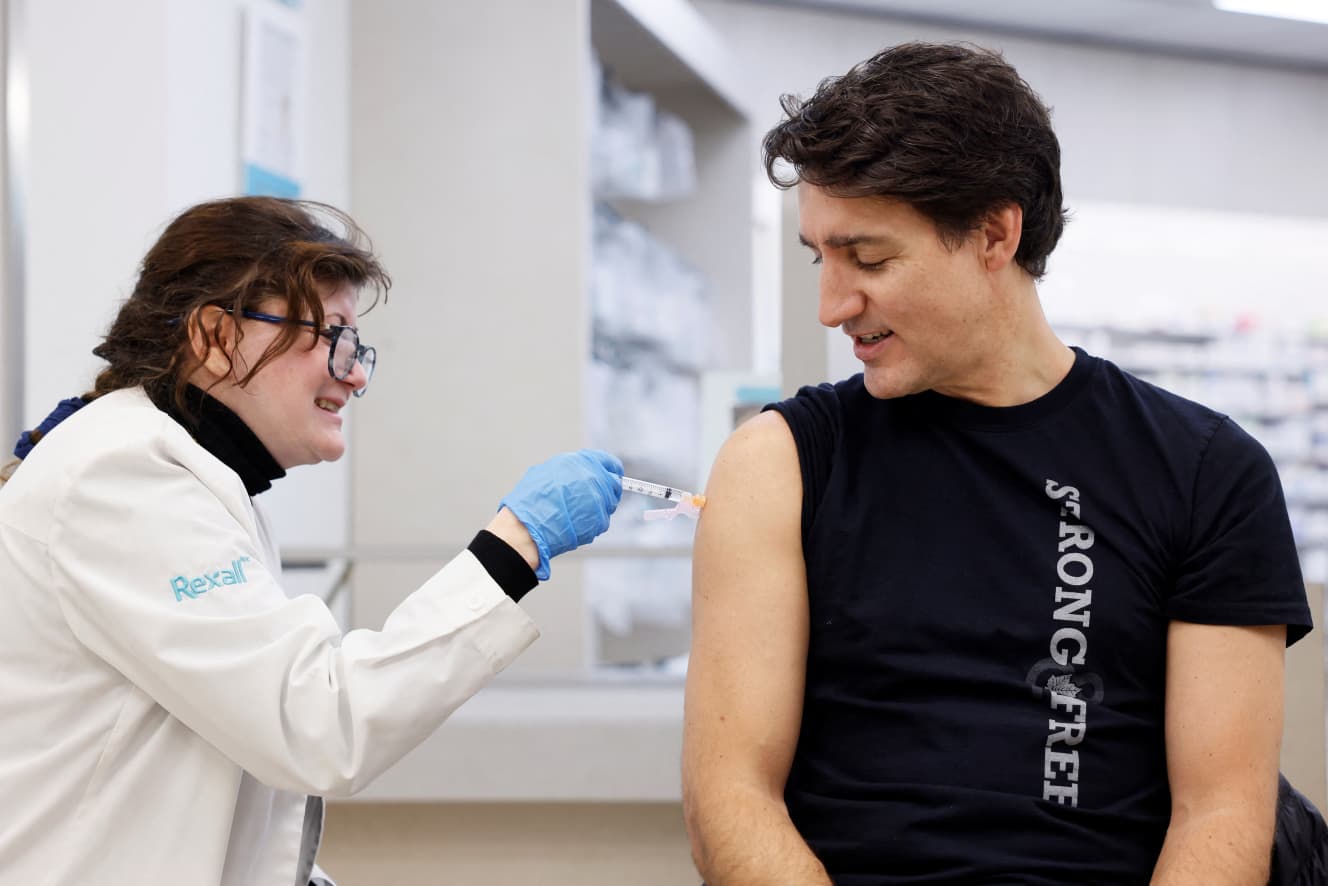
No one can predict when or which infectious diseases will spread. That’s why it’s important to practice self-care and take care of mild physical discomforts through self-medication.
“The transmission routes of influenza are droplet infection and contact infection. Therefore, handwashing and wearing masks are essential for prevention. These are the most effective ways to prevent infection. Let’s once again thoroughly implement the prevention habits learned during the COVID-19 pandemic. Viruses enter the body through mucous membranes in the eyes, nose, and mouth, so it’s also important to avoid touching your face with your hands.”
For spaces where people gather, it’s effective to ventilate by replacing the air for about five minutes twice an hour.
Additionally, preventing sleep deprivation, avoiding stress and fatigue buildup, and not overconsuming alcohol are small efforts that help protect the body and prevent immune system decline.
Vaccine: It’s better to get vaccinated now. After February, there is a tendency for an increase in COVID-19 patients
From now on, the spread of Influenza B will begin. Influenza vaccination, which is effective in preventing infection, is recommended by Dr. Sato, who says, “It’s better to get vaccinated now.”
“Not only does the vaccine prevent infection, but it also reduces the risk of severe illness. People who contracted Influenza A between December and January may still be susceptible to Influenza B. There is no shortage of the vaccine, so I recommend vaccination for those who want to prevent it. It’s important to get vaccinated not just this year, but every year.”
With so much attention on influenza, one might think that Influenza is more concerning than COVID-19, but the infectiousness of COVID-19 is still significant.
“The number of COVID-19 cases tends to increase around July to September and again from January to March. This is the first flu season after the partial shift to self-pay for the regular COVID-19 vaccination. Additionally, the COVID-19 virus continues to mutate, increasing its infectivity.
Unfortunately, vaccines from the past are no longer effective. Currently, the number of COVID-19 patients is on the rise, and further spread is expected after February. It’s crucial to get the latest vaccine.”
Both influenza and COVID-19 share the same preventive measures. Continuing the basic preventive habits developed during the COVID-19 pandemic and taking steps to reduce personal risk will likely be the key to preventing influenza infection.
(Reference: National Institute of Infectious Diseases, Influenza Epidemic Level Map 2024, Week 52, December 23–29)
Dr. Akihiro Sato is the Director of KARADA Internal Medicine Clinic Gotanda, a specialist in infectious diseases, and a general internist treating systemic symptoms. He also works in the treatment of diseases such as COVID-19, HIV, tuberculosis, malaria, and hospital infection control. Dr. Sato contributed to the creation of documents like the “Tokyo Infectious Disease Manual 2018.”
Interview and text by Yoko Nemmochi: Yoko Nemmochi
Born in Yamagata Prefecture in 1983, Yoko Tunemochi worked for 10 years in the editorial department of a health information magazine, editing monthly magazines and web media before becoming a freelance writer. Currently, she interviews, plans, and writes about doctors and specialists, mainly in the fields of health care and medicine.
PHOTO: Afro (second)