Despite His Hearty Laugh, Prime Minister Shigeru Ishiba Faces Thorny Path After APEC Summit


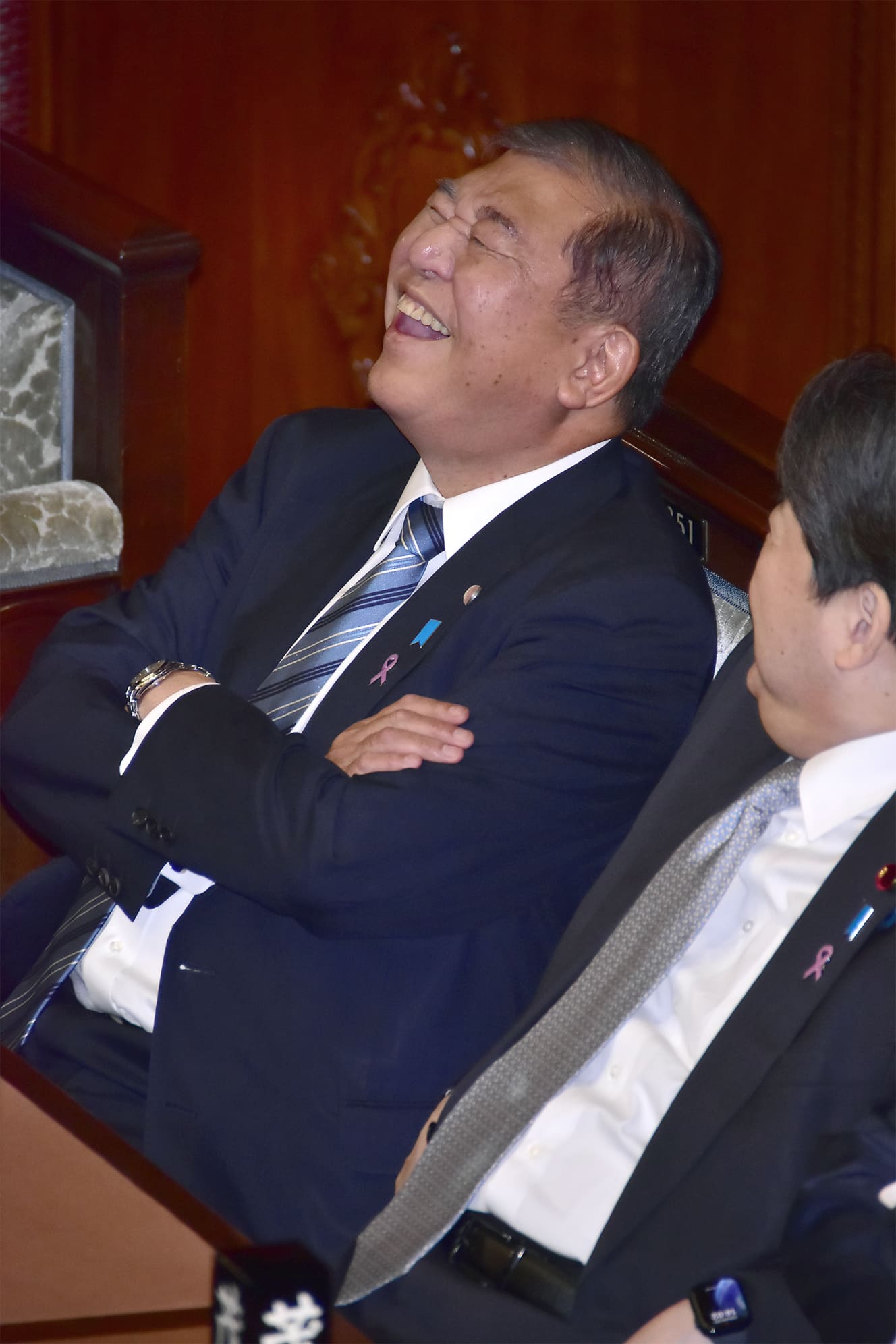
The reason for his “big smile”
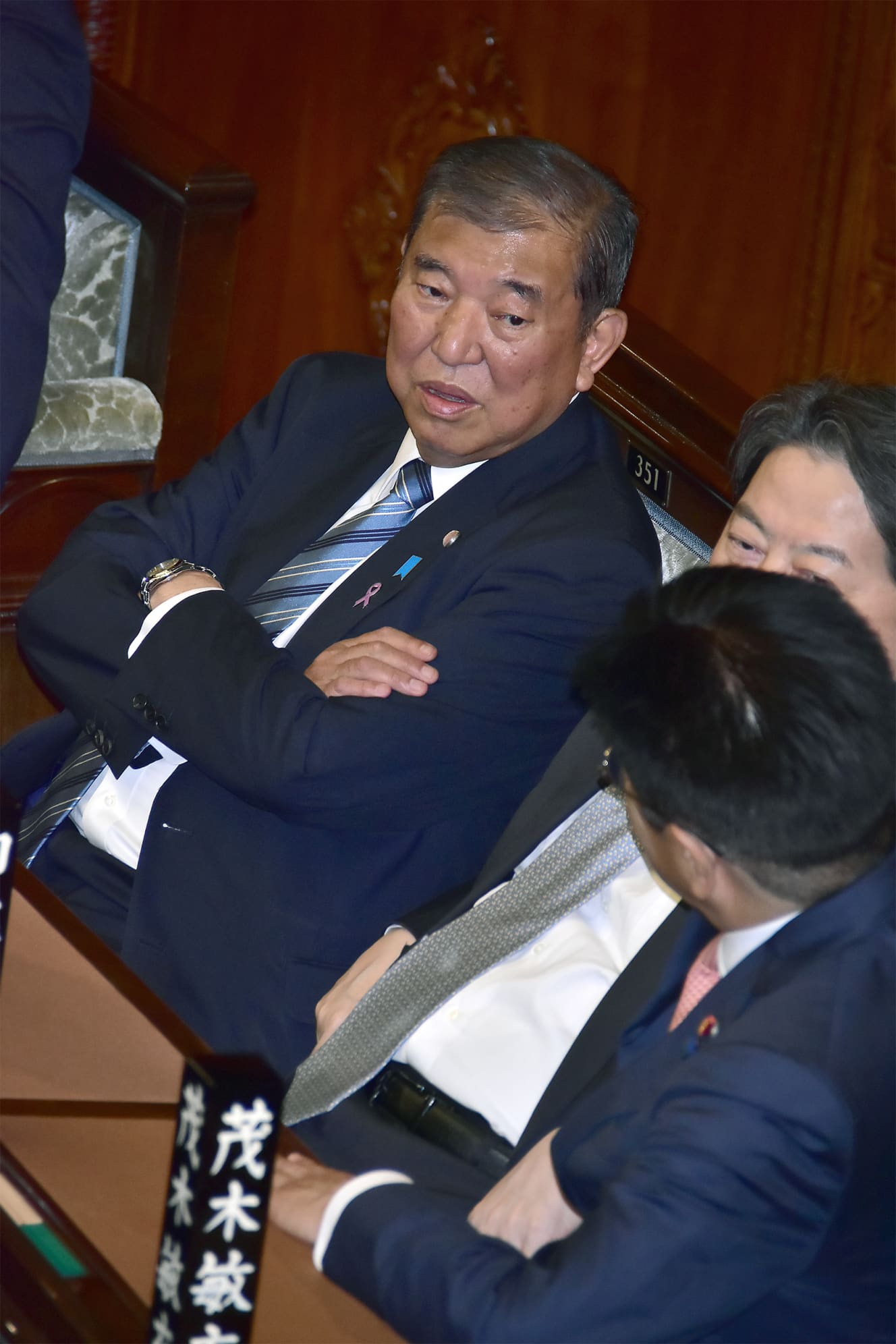
Prime Minister Shigeru Ishiba (67) flashes a smile, which is sometimes described as “cute” by a small subset of fans. The photo captures a moment from November 14, when the special session of the National Diet ended after a four-day meeting. Ishiba is seen chatting with Chief Cabinet Secretary Yoshimasa Hayashi (63) and Finance Minister Katsunobu Kato (68) during the plenary session.
The following day, November 15, Ishiba attended the APEC (Asia-Pacific Economic Cooperation) Summit in Lima, Peru. It could be that his smile was a brief escape from the intense atmosphere of the National Diet, imagining a respite from the pressure.
According to journalist Tetsuo Suzuki, who occasionally speaks with Prime Minister Ishiba by phone,
“The only time Ishiba was able to smile like that was during the few days after he became president of the Liberal Democratic Party.”
Although Ishiba finally achieved his long-sought goal of becoming Prime Minister and LDP President on his fifth attempt, he faced a crushing defeat in the early election he called, going against his own principles. The LDP was reduced to a minority ruling party, with former National Diet Chairman Jun Azumi (62) and former Democratic Party leader Yukio Edano (60) taking prominent leadership positions in various committees. Twelve committee and chair positions were seized by the opposition.
The extraordinary Diet session summoned on November 28 will begin deliberations on the supplementary budget for fiscal 2024. Ishiba will need to manage the Diet while considering opposition opinions, which will likely lead to pressure on the issue of “politics and money.” If the opposition parties unite to pass a no-confidence motion against the cabinet, Ishiba will face the choice of either dissolving the Diet or resigning.
The mystery of increased support
Amidst the overwhelming pessimism, why does Prime Minister Ishiba manage to smile? Journalist Tetsuo Suzuki, who has spoken with him, explains:
“Prime Minister Ishiba has said, ‘We just have to take it one step at a time; there’s no other way.’ In the past, when a Prime Minister or Party President set forth a policy, related parliamentary groups and legislators would immediately take action. However, in Ishiba’s case, his weak party base means that support doesn’t naturally expand.
Without movements within the party to support him, he has no choice but to focus on areas where his allies, such as Economic Revitalization Minister Ryozo Akizawa (63), Internal Affairs Minister Seiichiro Murakami (72), and former Defense Minister Gen Nakatani (67), excel—like regional revitalization, economic finance, and the establishment of a disaster management agency. He has to showcase his own style. There’s a sense of resolution that, in order to break the tough situation, he has to build up what he can, one step at a time.”
In the public opinion polls conducted by various media outlets, the numbers support the smile of Prime Minister Ishiba.
According to a poll by Yomiuri Shimbun conducted on November 11-12, following the formation of the second Ishiba Cabinet, the Cabinet’s approval rating rose to 43%, a 9-point increase from the previous survey conducted after the lower house election.
In a November poll by Kyodo News, the approval rating of the Ishiba Cabinet increased from 32.1% in October to 40%. On the other hand, the approval rating for the Liberal Democratic Party (LDP) dropped from 31.8% to 30.5%. While the LDP faces tough scrutiny, Ishiba’s approval rating has risen. How should these numbers be interpreted?
“Criticism of the slush fund scandal under the Kishida administration caused the public to harbor dissatisfaction with the former Abe faction lawmakers. However, many of them lost in the general election. Given this situation, it seems that Ishiba is receiving support, with people wanting him to continue as Prime Minister and further change the LDP,” says journalist Suzuki, who has spoken about Ishiba before.
However, as previously mentioned, managing the Diet remains a challenge. To pass the supplementary budget in the extraordinary session of the Diet, cooperation from the opposition parties is essential. In particular, Ishiba will want to gain the support of the Constitutional Democratic Party of Japan, which won 28 seats in the last general election with a platform focused on increasing take-home pay.
How will the opposition parties respond?

T
“Strange luck or strange winds blowing”
This is the view of former TV Asahi political department head and journalist, Yoshimasa Suenobu, regarding the Ishiba administration.
The key player in the current National Diet is the National Democratic Party, but its leader, Yuichiro Tamaki (55), has been involved in a scandal regarding infidelity. Tamaki has expressed his intention to continue as party leader, but the issue is likely to drag on.
“After the general election, Tamaki was the ‘man of the moment,’ and the LDP had to take his wishes into account as much as possible. But now, due to his personal issue, the National Democratic Party can no longer take a strong stance. This reminds me of the ‘Minna no To’ party, led by former Administrative Reform Minister Yoshimi Watanabe (72). Under the Abe administration, the party showed a pro-government stance on budget bills, which led to a split within the party and its eventual dissolution. I hope the National Democratic Party does not follow the same path,” says Suenobu.
Within the LDP, there is no strong movement to remove Ishiba from power. Despite the loud demands from the former Abe faction, including Shigeharu Aoyama (72), a member of the Upper House, for Ishiba to resign immediately due to the crushing defeat in the general election, no one has followed suit. With the ruling coalition of the LDP and Komeito losing its majority in the House of Representatives, changing the leadership would not resolve the situation, and there is a growing passive acceptance that it would be the same no matter who becomes prime minister.
“Within the LDP, candidates who contested against Ishiba in the leadership election, such as former Economic Security Minister Sanae Takaichi (63), have lost momentum, and there is no strong fighting spirit. While the opposition parties will push for Ishiba’s resignation, in reality, they would prefer that his ‘lackluster’ administration continue until the July 2024 Upper House election. It is easier to confront a weak administration that has plenty of areas to attack than one that might recover its support rate by changing the leader. The opposition may end up assisting in the survival of Ishiba’s government with a ‘keep alive but not let thrive’ strategy.”
As a result of the sudden collapse of the administration’s ability to govern, both the ruling and opposition parties are surprisingly in a position of quiet observation. For the public, who are looking for strong leadership, it is highly likely that this unamusing political situation will continue.
Interview and text by: Daisuke Iwasaki Photo: Takeshi Kinugawa