How Kumi Kaneda “Kinkumi” Confronted Her Battle with a Serious Illness


Revealed her struggle with a serious illness in August.
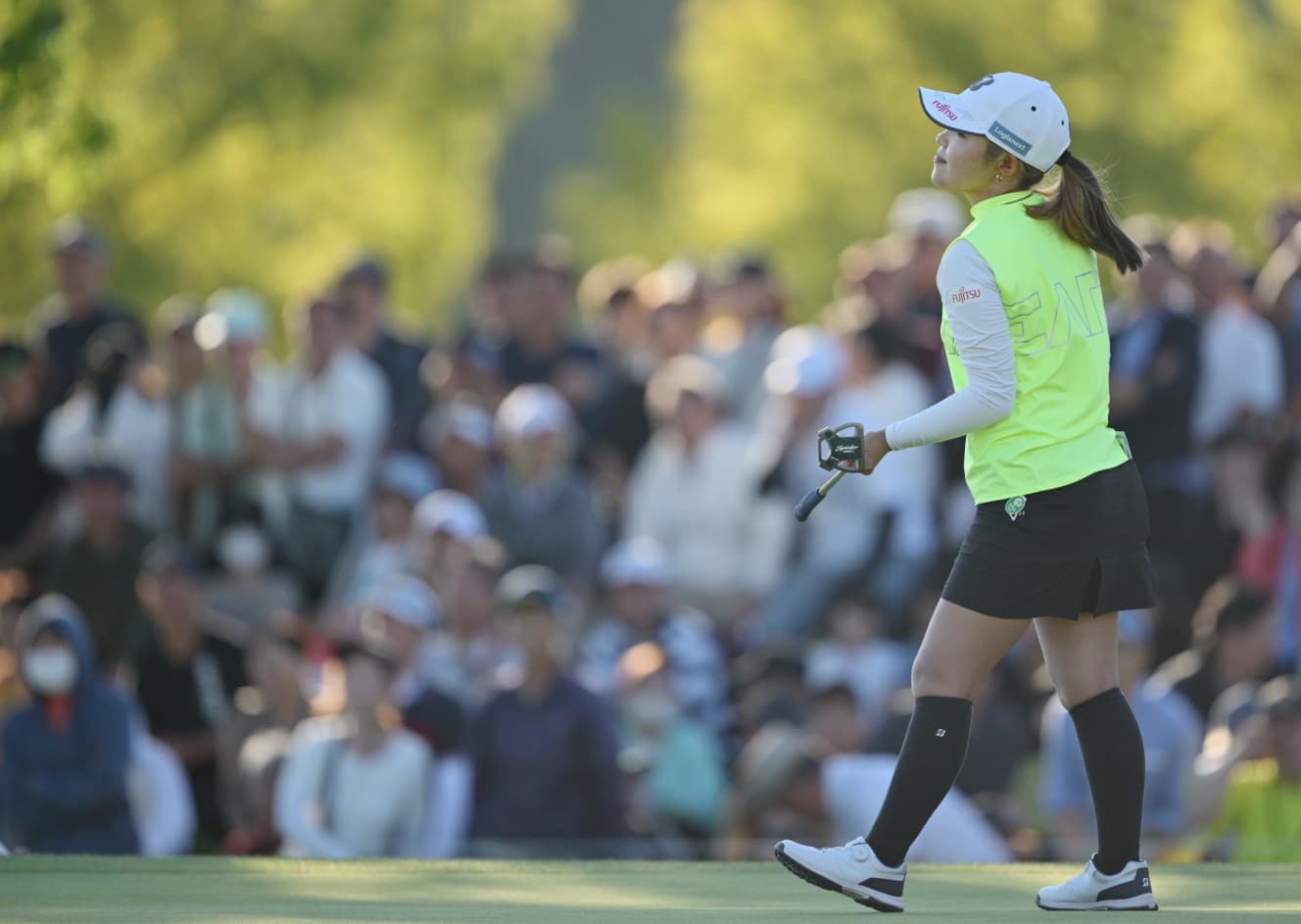
The Fujitsu Ladies 2024 tournament, held October 11–13 at the Tokyu Seven Hundred Club in Chiba, ended with Miyuu Yamashita sinking a winning putt on the second playoff hole against Ayaka Furue, who both tied at 14-under, marking Yamashita’s first win of the season.
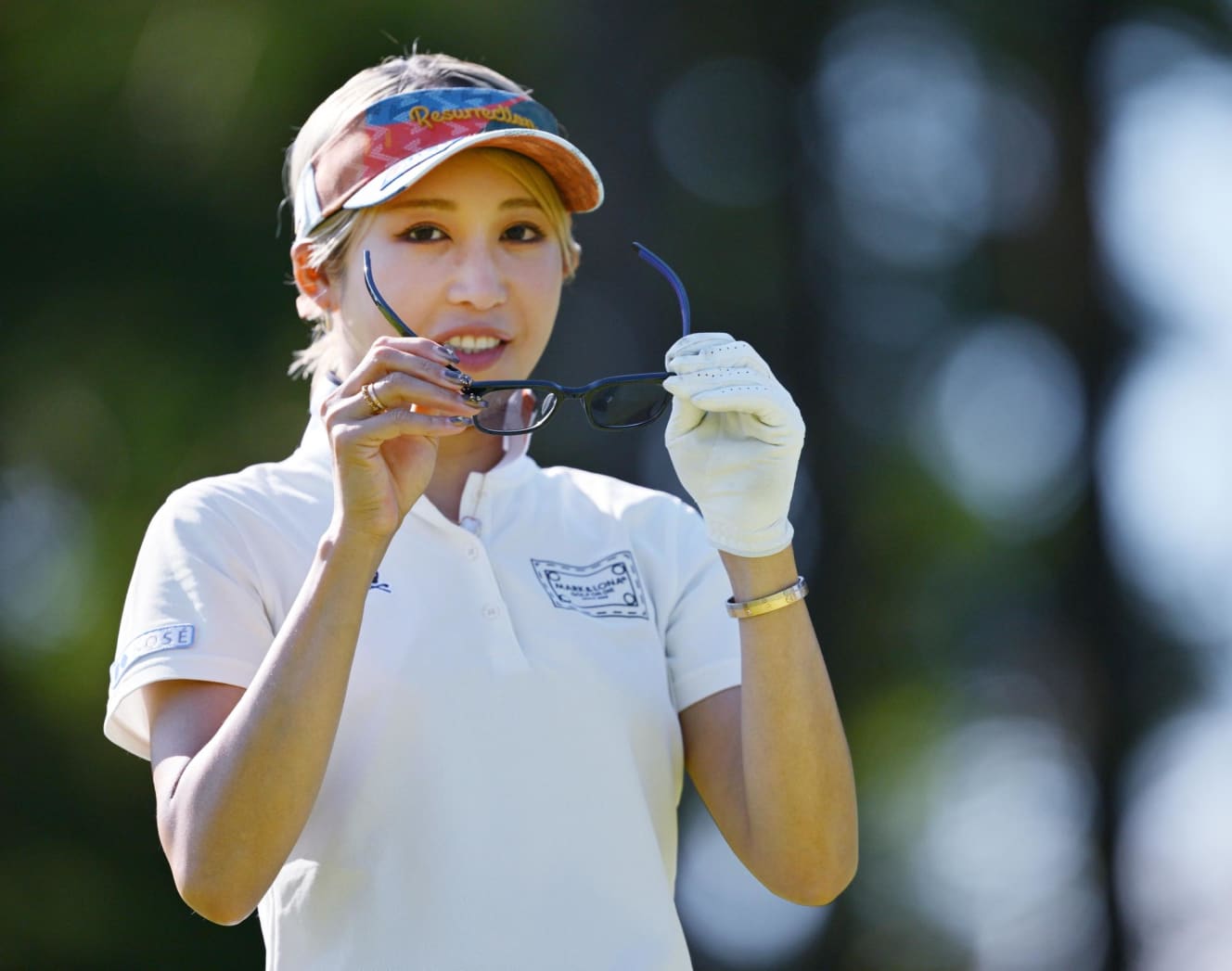
This tournament also saw participation from Ayaka Furue and Yuri Yoshida, who usually play on international circuits. Rookie Saki Baba, who played on the U.S. developmental tour and was competing in her first domestic tour, initially held fourth place but finished 14th at 8-under after shooting a +4 on the final 18 holes. Kumi Kaneda, who publicly revealed her diagnosis of Ménière’s disease on August 20 via her social media, also participated.
Ménière’s disease is characterized by sudden, intense vertigo, hearing loss, tinnitus, and nausea. The exact cause remains unknown, but physical or mental stress is believed to play a role. According to research from Tohoku University’s Graduate School of Medicine, there was an increase in neuro-otological disorders, including Ménière’s disease, following the Great East Japan Earthquake, highlighting a connection with stress.
On her YouTube channel, Kinkumi Channel, Kaneda posted an urgent update video where she spoke candidly about her illness to her fans and supporters.
When asked why she chose to go public about her illness, she explained,
“I was struggling quite a bit during rounds, sometimes having to close my eyes, so to others, I must have seemed in bad shape. People would ask, ‘Are you okay? You look like you might collapse.’ I didn’t want to worry everyone around me, so I thought it would be easier just to tell them.”
The announcement received more attention than she had anticipated, and she expressed gratitude for the support and helpful information from others.
“I was really grateful. Even some players with vertigo issues shared tips with me, and I received various suggestions via direct messages. I’m really glad I shared, as now people aren’t asking more questions about it.”
Abandoned the match and was immobile for 3 hours.
Her health issues began last year.
“I had about six unexplained fevers last year, two of which turned out to be COVID-19 and the flu. I got sick every month. But when I got tested for anything else, nothing showed up.”
She had already noticed symptoms of autonomic nervous system imbalance and often played while sleep-deprived. However, on the first day of the CAT Ladies 2024 tournament in August (at Daihakone Country Club, Kanagawa), her condition deteriorated so much that she vomited her breakfast before the start and had to withdraw from the tournament. She was unable to move for about three hours and returned to her hometown of Nagoya that evening to undergo an examination at a mental health clinic.
“I thought it was my autonomic nerves, so I initially assumed it was just an extreme case. I haven’t been able to sleep at all either.”
When she consulted a heart surgeon acquaintance that same day, she was told, “That sounds like Ménière’s or vertigo, so you should see an ENT specialist.” The following day, after an ENT examination, she was diagnosed with Ménière’s disease.
She went from hospital to hospital, searching for a treatment, but found no effective solution. Every doctor, however, pointed to stress as the cause. One doctor even told her, “Unless you change your mindset, this disease won’t go away,” or “If you quit golf, you’ll recover.”
“That’s when I started reading books. I thought maybe books were the only way to change my mindset. People don’t change overnight, but maybe I could at least improve my outlook by reading. I tend to dwell on trivial things.”
At the bookstore, she chose books after looking through their contents, such as The Way to Refine Your Resolve: Yoshida Shoin (edited and translated by Takamasa Ikeda, published by Sanctuary Publishing) and 80 Things People with Good Sense Do (by Mayumi Arikawa, Fusosha Publishing).
“They were the easiest, simplest, and most relatable for me. Thanks to reading, I feel like I’ve become a little less irritable lately.”
By putting into practice what she learned from the books and the doctors, she says, “I feel more at ease.”
What Ai Miyazato taught me
At the Stanley Ladies Honda Golf Tournament held from October 4 to 6 (at Tōmei Country Club, Shizuoka), Kaneda participated as a host professional and had the opportunity to play in a pro-am round with Ai Miyazato. Without mentioning her illness, she asked basic questions like, “What do you focus on when you swing?” and “What do you focus on when you putt?” wanting to learn from how a top player approached the game.
Among her questions, she asked Miyazato, who had excelled on the global stage, something that had been on her mind for a while:
“You never show frustration. What do you do when you feel that way?” Miyazato replied, “I’m the type that performs worse if I show it, so I try not to. I count my steps, like ‘one, two, three, four, five.’ to help myself forget.”
Kaneda immediately tried this approach in the tournament, saying,
“So during the Stanley, I was probably less angry than usual!”
Her main goal is to overcome her illness and rebuild her body. “I need to get my body ready. I haven’t been able to properly prepare for about two years, so my goal is to build a body that can handle the preparation needed to win.” Although some say, “You should rest since you’re sick,” she’s resolved to continue, thinking, “If there’s no guarantee that resting will cure me, then I’ll just have to keep going.”
It’s been nearly two months since she announced her illness. After missing the cut the previous week, she made it to the final round at 5-under, finishing tied for 29th with a total of 5-under par. Despite her naturally negative disposition, which often goes unnoticed, she continues to move forward while facing her illness.
Profile
Kumi Kaneda, born on August 14, 1989 (age 35), from Nagoya, Aichi Prefecture. She began playing golf at the age of 3 under the influence of her father. At age 8, she won the World Junior Championships, matching Tiger Woods’ record. Known as a prodigy, she won multiple amateur tournaments. She turned pro in 2008, winning her first title at the Fujisankei Ladies Classic in 2011. She secured her next victory in 2022 at the Mitsubishi Electric Ladies Golf Tournament after an 11-year gap. She is 166 cm tall, weighs 51 kg, and is affectionately known as “Kinkumi.” Her Mercedes ranking was 76th as of the end of the Fujitsu tournament.


Interview, text, and photos: Shinji Tokari