The Sun’s Increasing Number of Sunspots Will Lead to Earth’s “Mini Ice Age”


What is the “Grand Solar Minimum” that began in 2020?
According to a research team led by Professor Valentina Zarkova of Northumbria University in the UK, sunspot activity data indicates that a “Grand Solar Minimum” will occur between 2020 and 2053, bringing a “small ice age” to the Earth.
The Grand Solar Minimum is a period of reduced sunspot activity. This means that the earth will receive less radiant energy from the sun, resulting in lower temperatures. Is this true?
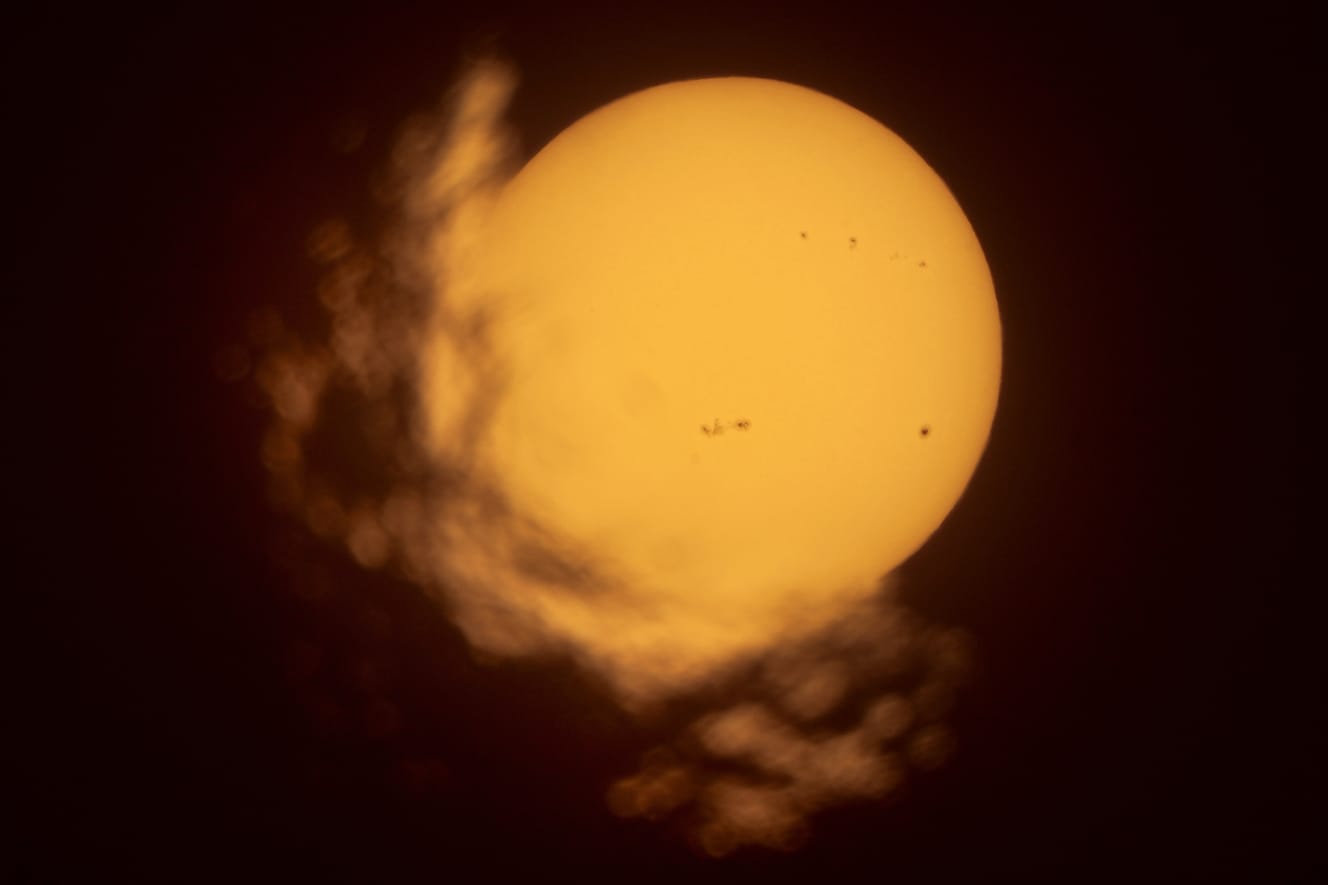
“We know that more sunspots mean more solar activity. The earth receives 1362W/m2 of radiant energy per square meter per second from the sun. However, the increase or decrease of sunspots changes at most 2 to 4 W/m2, which is only 0.2 to 0.3% of the total. Sunspots do not cause the temperature to rise or fall.” says Toru Nozawa, Professor of the Faculty of Environment, Life and Natural Science, Okayama University.
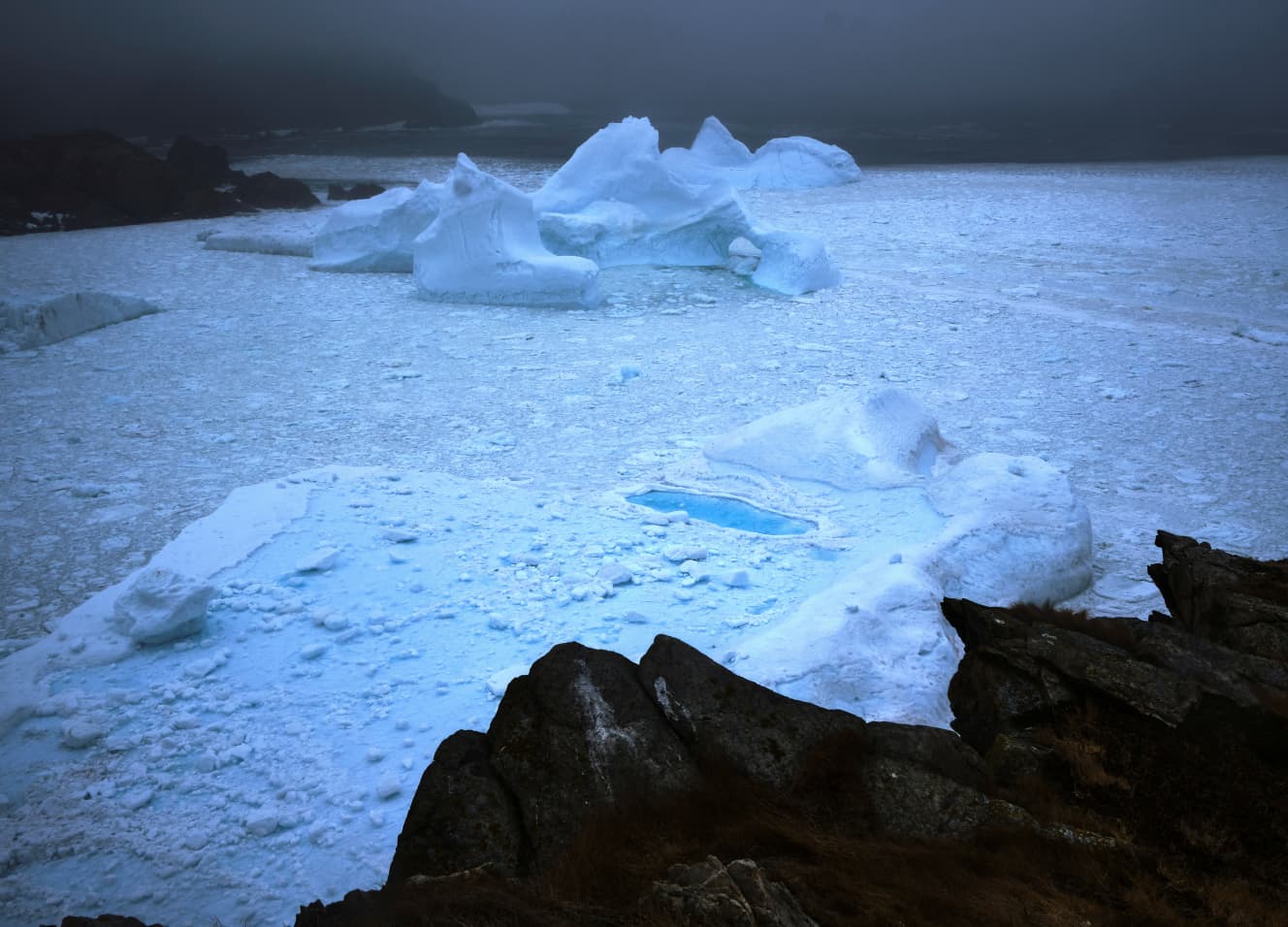
However, around 1600-1700, when there were almost no sunspots, the entire planet experienced low temperatures, and the Thames River completely froze in England, and the canals in the Netherlands almost froze as well. In Japan, cold weather also caused the Enpo famine from 1674 to 1675 and the Genroku famine from 1688 to 1704. Could this have been caused by the disappearance of sunspots?
“At that time, the earth was more volcanically active than it is today. According to the latest research, this is believed to be the cause of the famine.”
When a large volcanic eruption occurs, the sulfur dioxide contained in volcanic gases undergoes a chemical reaction in the stratosphere and turns into sulfuric acid droplets. These particles are extremely light (0.1 micron in diameter) and do not fall easily, so they remain in the stratosphere for several years, making it difficult for sunlight to reach the surface.
The eruption of Pinatubo in the Philippines in 1991, said to be the largest eruption of the 20th century, lowered the average temperature of the earth by 0.5°C, and it took 4 to 5 years for the earth to recover.

The ice age was not caused by the sun, but because the orbit of the earth changed.
However, since the birth of the earth, ice ages have come many times. Isn’t that because of the inactivity of solar activity?
“It is not because of the sun, but because the earth’s orbit has changed.”
According to Professor Nozawa, the Earth’s orbit around the sun is an ellipse, but it is not constant. The earth’s axis of rotation is tilted at about 23 degrees from the plane of revolution, but it also oscillates between 22 and 25 degrees. Because of these phenomena, even if there is no change in the sun, the amount of radiant energy received by the earth changes, and the way the ice sheet expands also changes. The cycle is 100,000 years!
“If we calculate the orbits of the orbits, we know when the next ice age will come,” he said. “The current warm climate will continue for another 3,000 years or so.”
So is global warming due to an increase in sunspots?
There are reports that the number of sunspots reached 163 in June 2023, the highest in the past 20 years. Some say that global warming is due to an increase in sunspots,
“There was a time around 1960 when the number of sunspots reached 270. Even if it is the highest in the past 20 years, it doesn’t matter. If you think about it on a scale of the past 100 years, it is a moderate number.”
Most of the warming is being caused by humans, Nozawa said.
“Anthropogenic factors that change the climate include carbon dioxide, ozone, aerosols, and land use change. The largest of these is carbon dioxide. If we don’t try to live in a way that doesn’t emit carbon dioxide and doesn’t depend on fossil fuels, we will be passing it on to our children, grandchildren, and generations to come.”
Some scholars argue that we don’t need to take action against global warming because the sun will eventually become inactive and temperatures will drop.
“However, this does not seem to be the case. It is needless to think about which we should prepare for now,” he said.
“In order to achieve carbon neutrality, each one of us has to make an effort, but many people think that someone else will do something about it. That is the biggest problem.”
We don’t use electricity unnecessarily. Electricity is also used to produce water, so wasting water also increases carbon dioxide emissions. He uses his car as little as possible.
Professor Nozawa has decided to use public transportation when traveling for work.
He says, “Some parts of Okayama Prefecture are not well served by public transportation, so people are sometimes surprised.”
But can we do anything about it through personal efforts?
“The amount of carbon dioxide emitted by households is 15% of the total. That’s quite a large amount. Even if we could reduce it, it would be significant. There are more than 100 million people in Japan, so each one of us should make an effort to reduce the number of thermal power plants by one unit. I think we need that kind of momentum.”
Toru Nozawa is a professor in the Department of Environmental, Life, and Natural Sciences at the Graduate School of Science, Okayama University. After working at the National Institute for Environmental Studies, he assumed his current position. By comprehensively analyzing various observational data on long-term climate variability and change, as well as multiple climate models, he is studying how the Earth’s climate can change due to various factors, including solar activity and large-scale volcanic eruptions, and to what extent these multiple climate change factors affect past large-scale climate change and recent global warming. The research also examines the extent to which these multiple climate change factors have influenced past large-scale climate change and recent global warming.
Reporting and writing: Izumi Nakagawa